DOL wage table shows McDonald’s workers where pay is higher, overtime rules apply
The federal floor is still $7.25, but McDonald’s pay can jump by state, city, and overtime rules. A transfer can change both base pay and take-home pay.
The federal floor is only the starting point
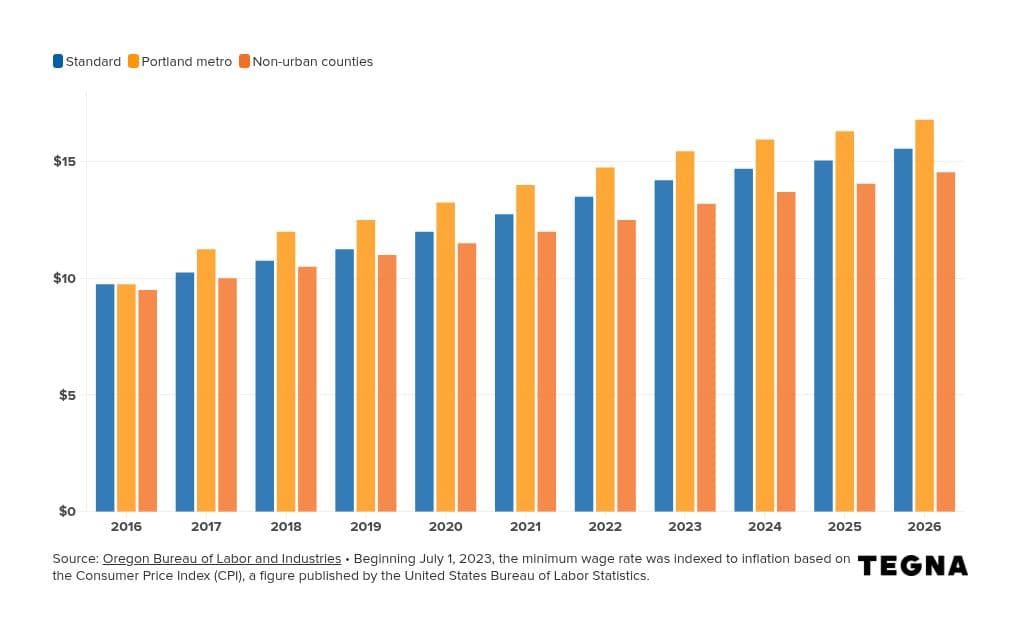
A McDonald’s job does not pay the same way everywhere. The federal minimum wage is still $7.25 an hour, and workers covered by both federal and state law are entitled to the higher wage, which is why a transfer or a move across state lines can change the real value of the same job. For crew members, that difference can show up in base pay, overtime, and even whether a shift feels worth taking.

The Department of Labor’s wage table is useful because it turns that patchwork into something workers can actually compare. It lists state minimums, but it also reminds readers that local governments can set higher minimum wages that are not shown in the state table. In other words, the number on the poster is often just the floor under the floor.
Why the state table matters inside McDonald’s
That detail matters in a chain built on mobility. Crew members switch stores, managers recruit in tight labor markets, and franchisees compete with nearby restaurants, warehouses, retailers, and other fast-food employers for the same workers. A wage offer that looks strong in one market can be ordinary or even weak in another once state and local rules are factored in.
The DOL’s consolidated minimum wage table also shows why the headline rate is not always the whole story. Some states set subminimum rates for minors or students, some use training wages for new hires, and some carve out exemptions for certain occupations or industries. For a McDonald’s worker, that means the first schedule, not just the job ad, can determine what actually lands in the paycheck.
Overtime and premium pay can matter as much as the hourly rate
Restaurant work rarely fits a neat nine-to-five pattern. Shifts stretch late, schedules change fast, and managers often lean on overtime when staffing gets tight. The DOL table notes that some states have special overtime or premium-pay rules after certain hours, which can add real money to a week’s earnings or expose a store to compliance mistakes if payroll is not handled carefully.
California is the clearest example in the materials. The DOL lists its basic minimum wage at $16.90 an hour and notes daily and weekly overtime rules, including time-and-a-half after eight hours in a workday and double time in some cases. The point is not just that California pays more. It is that the structure of pay itself is different, and that can change how a McDonald’s schedule is built, how many hours a worker wants, and whether a long shift is a help or a hassle.
Colorado, Connecticut, and Alaska appear in the DOL table as additional examples of states with different wage rules. That is a reminder that even in strong restaurant markets, the legal floor is not uniform. For managers, that makes labor planning local work, not corporate theory. For workers, it means comparing pay by geography, not by brand name alone.
Local enforcement can reach a single franchise store
The Minneapolis case shows how these rules move from the page to the payroll system. A McDonald’s franchise there agreed to pay $20,000 in back pay and penalties under the city’s minimum wage ordinance. That matters because McDonald’s restaurants are often run by franchisees, not the corporation itself, and the legal responsibility for paying correctly can fall on the store operator.
For workers, the message is simple: local wage law can be just as important as the rate advertised in the job post. For franchise owners, it is a warning that a payroll shortfall is not a small clerical issue if the city is actively enforcing its ordinance. In a national brand, one store’s mistake can become a public reminder that the law is local even when the arches are global.
The fight over McDonald’s pay never stayed inside McDonald’s
McDonald’s has been a central target in the wider Fight for $15 campaign for years, and that pressure has helped shape the wage debate around the chain. SEIU said McDonald’s workers in 16 cities struck in 2021 to demand a $15 minimum wage, and the group also organized a 2018 march to McDonald’s headquarters around the same demand. The campaign has kept McDonald’s at the center of the argument over whether fast-food work should be treated as a low-wage stopover or a job that can support a family.
At the same time, the National Restaurant Association argues that wage and tip-credit policies can affect prices, staffing, and even closures. The group says restaurant operators have to calculate wages carefully and make up minimum-wage shortfalls when they occur. That is the tension running through this entire debate: workers see a company large enough to absorb higher wages, while operators see payroll math that gets harder with every new local rule.
Why McDonald’s scale makes the stakes bigger
McDonald’s says its workforce includes people working for the company and for franchisees, and that distinction shapes how wage rules are handled on the ground. The company also reported global systemwide sales of more than $139 billion for full-year 2025, which helps explain why labor costs and wage compliance are such a big part of the business conversation.
Even with that scale, the occupation remains low paid on average. The Bureau of Labor Statistics reported a median annual wage of $32,150 for fast food and counter workers in May 2025. That number puts the stakes in plain view: when the legal floor rises, or when a city ordinance kicks in, it can make a real difference in a worker’s decision to stay put, move stores, or take a job somewhere else.
What to check before you transfer or accept an offer
The smartest comparison is not the sticker wage on the sign. It is the full legal and scheduling picture.
- the federal minimum wage and the state minimum wage
- whether your city or county has a higher local minimum
- whether training wages, youth rates, or industry exemptions apply
- whether overtime or premium pay starts after a set number of hours in a day
- whether the store is corporate-owned or franchised, since compliance can play out differently
Before you move, look at:
At McDonald’s, pay is no longer just an hourly number. It is a mix of federal law, state law, local ordinances, overtime rules, and franchise-level decisions, and the difference between one market and another can decide whether a job is merely available or actually worth taking.
This article was produced by Prism’s automated news system from verified source data, official records, and press releases, then run through automated quality and moderation checks before publishing. The system is built and supervised by the people who set the standards it runs under. Read our full AI policy.
Did this article answer your question?