DOL PUMP Act Guidance Prompts McDonald's to Revise Lactation Policies
McDonald's is updating its lactation policies after U.S. Department of Labor guidance clarified pump-at-work rights, affecting break, space and pay rules for crew and managers.
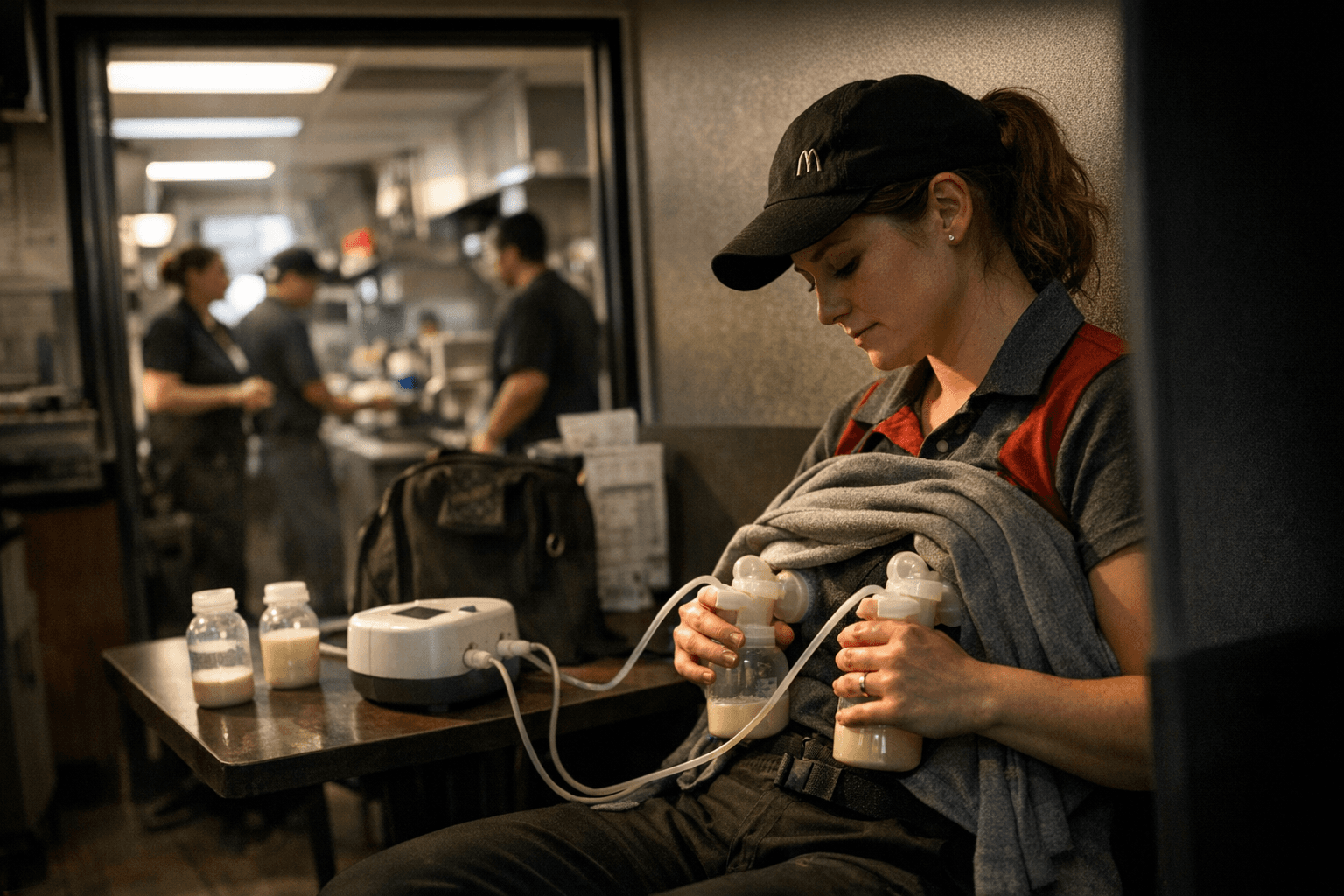
McDonald's is revising corporate lactation policies in response to updated guidance from the U.S. Department of Labor’s Wage and Hour Division on the PUMP Act and the Fair Labor Standards Act. The guidance reiterates that covered employees are entitled to reasonable break time to express breast milk for up to one year after a child’s birth each time the employee needs to pump, and it sets out concrete expectations for employers on space, scheduling and compensation.
Under the DOL guidance, employers must provide a private, functional lactation space that is shielded from view and not a bathroom. Frequency, duration and scheduling of pump breaks are to be based on the individual employee’s needs. Employers also must follow compensation rules when pump breaks are compensable under the FLSA or applicable state or local law. The Wage and Hour Division offers employer materials including posters, flyers and frequently asked questions, and the guidance includes recent coverage updates for certain transportation workers as well as practical examples of compliance and exemptions.
For McDonald's employees, the changes could be significant in stores and on the front line. Crew members who are nursing parents will have a clear basis to request regular pump breaks during shifts and to expect a private, nonbathroom space to pump. Managers and store operators will need to reconcile busy service periods and short break windows with the individualized nature of pumping needs. Franchisees who operate restaurants under McDonald's system will face decisions about room allocation, minor retrofits and scheduling adjustments to meet the DOL standard across thousands of locations.
The compensation element of the guidance adds another layer of operational impact. Where pump breaks meet the legal criteria for compensable time under the FLSA or stronger state or local rules, hourly employees will need to be paid for that time. That requirement will affect labor cost calculations and may prompt changes to shift planning, coverage and staffing during peak hours.
McDonald's access to the DOL's employer materials can accelerate implementation. Posters and flyers can be distributed to stores, training modules for managers can be updated, and practical examples in the guidance can inform policy language for both corporate employees and franchise operators. The DOL’s expanded coverage for certain transportation workers may also influence how McDonald's addresses lactation needs for employees who are mobile or who perform job duties outside a fixed store location.
Workers should review the Wage and Hour Division’s Protections to Pump at Work guidance and bring specific accommodation requests to managers or HR. For McDonald's, the policy revisions will test the company’s ability to balance service demands with legal obligations and the needs of nursing parents. The changes mark a step toward clearer, enforceable workplace support for pumping employees and are likely to shape training, store design and scheduling practices across the system.
This article was produced by Prism’s automated news system from verified source data, official records, and press releases, then run through automated quality and moderation checks before publishing. The system is built and supervised by the people who set the standards it runs under. Read our full AI policy.
Did this article answer your question?