Downtown Seattle McDonald’s Boards Up Dining Room, Serves Through Plexiglass Hatch
Downtown Seattle McDonald’s boarded its dining room and now serves through a plexiglass hatch to protect staff after repeated nearby violence.

A McDonald’s at the corner of 3rd Avenue and Pine Street in downtown Seattle has boarded up its dining room and now serves customers through a makeshift plexiglass hatch, a visible change that managers say is meant to protect employees after a series of violent incidents on the block known locally as The Blade.
Owner-operator David Santillanes said he and his team “care deeply about feeding and serving this community.” Santillanes told staff the dining room, which was first closed in 2020 for COVID-19 protocols and has remained shuttered since, was being reinforced with plywood over exterior glass and fitted with a service hatch so crew members do not have to admit customers into the interior. The hatch is covered with plexiglass across most of its top portion and leaves a small opening where employees hand out food and take payment.
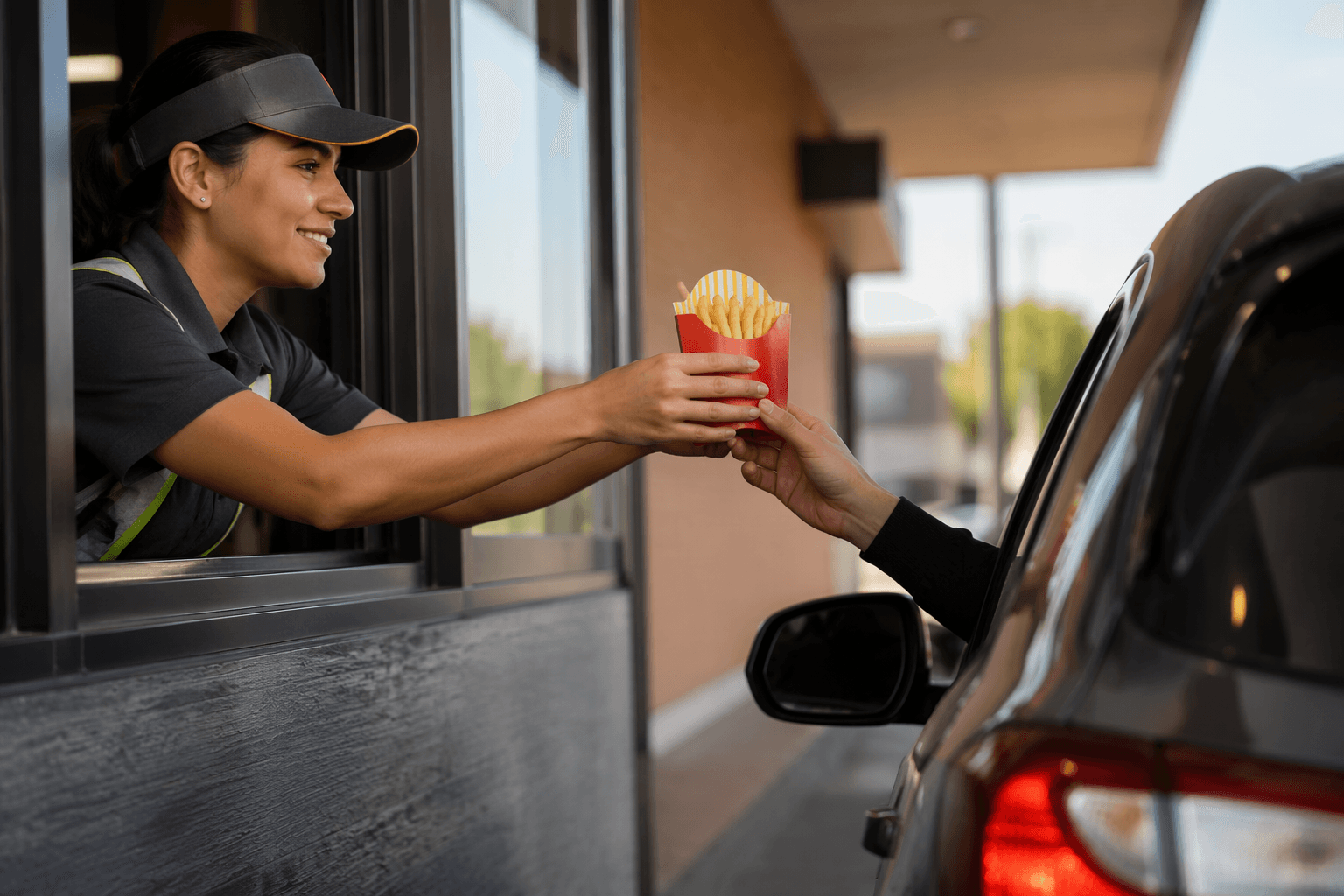
The modifications are intended to reduce direct exposure of frontline crew to street activity and protect the restaurant from vandalism. Photos circulating from visits show double doors propped open, plywood covering glass, and a narrow exchange point that limits customers’ entry. For employees, the change alters the daily rhythm of service: order-taking and payments shift to a window interaction under a pane of plexiglass, and managers must balance speed of service with new safety protocols and limited visibility into the dining area.
The decision follows several high-profile incidents on the block. In January 2020 a shooting outside the restaurant killed a woman and injured seven others, including a child. A witness identified as Nick, 45, said, “I watched a girl get shot and killed right here,” and called it, “a horrible shooting.” In February 2024 a 29-year-old man named Matthew was stabbed in the head while waiting for his food with his partner, Christopher Burns. Burns recalled, “This random guy came up and started kicking our dog and attacking my partner.” Workers and managers cite frequent stabbings, assaults, robberies, drug use, and other disorder in the surrounding area as reasons for heightened concern.
Broader context for the restaurant’s choices includes regional housing and homelessness pressures. HUD data showed Washington had the third-highest population of people experiencing homelessness in 2024, a factor that contributes to concentrated street-level challenges in parts of downtown Seattle.
For crew members, the boarded dining room can mean increased perceived safety but also new stressors: limited escape routes, more confrontational exchanges through a small opening, and ongoing anxiety about incidents outside the hatch. For managers like Santillanes, the measures are tactical steps to keep staff working while the neighborhood’s problems persist.
This change at 3rd and Pine tests how employers will balance service, safety, and worker morale in high-risk urban settings. Expect continued scrutiny of whether temporary barriers remain permanent and whether city interventions address the street-level violence that pushed a familiar fast-food crew behind a sheet of plywood and a pane of plexiglass.
This article was produced by Prism’s automated news system from verified source data, official records, and press releases, then run through automated quality and moderation checks before publishing. The system is built and supervised by the people who set the standards it runs under. Read our full AI policy.
Did this article answer your question?