Drive-Thru Crew Member Says McDonald's Annual Coat Policy Left Employees Cold
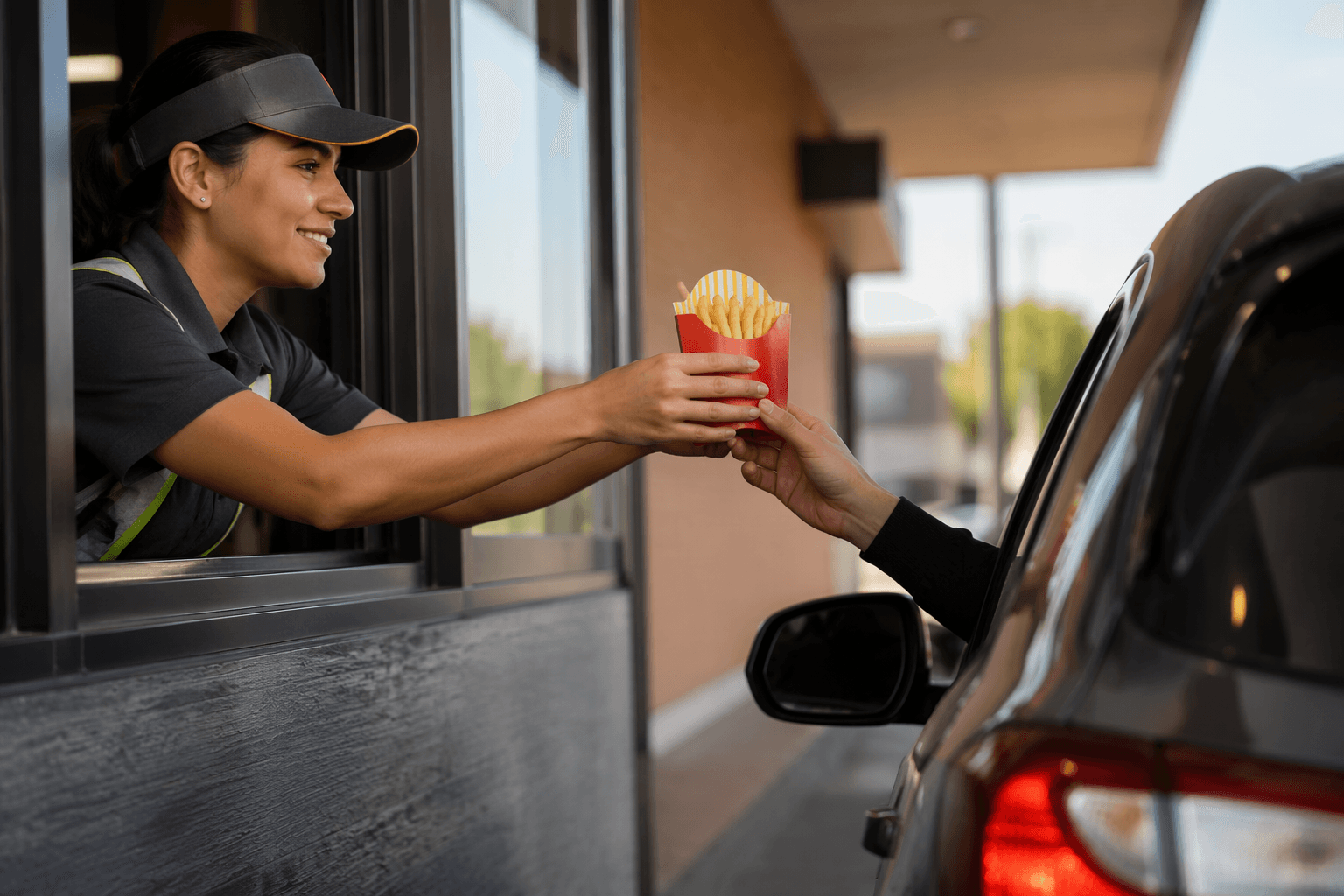
A drive-thru crew member in central Delaware said they were not allowed to wear a personal coat and had been denied a McDonald’s-issued coat for months, raising safety and policy concerns for frontline workers.

A customer in central Delaware reported speaking with a drive-thru crew member who was working outside in very cold weather without a coat. The crew member told the customer they were not permitted to wear their own coat on duty and that McDonald’s issues coats only once a year, so employees hired outside that annual ordering window must wait until the next issuance. The customer said the crew member had requested a McDonald’s-issued coat for three months but management refused.
The exchange, described by a poster who relayed the conversation, highlights how a companywide uniform or outerwear schedule can collide with local staffing and weather realities. Current and former McDonald’s workers commenting on the thread described a patchwork of store-level practices: some locations keep shared coats in the crew room for team members to borrow, others allow plain black coats without branding, and some managers require employees to buy their own branded outerwear.
Workers on the thread raised immediate safety and operational concerns. Exposure to cold at outdoor drive-thru windows can affect employee health and performance, and commenters suggested that refusing to provide appropriate cold-weather personal protective equipment could be escalated to corporate or to OSHA if stores do not remedy the situation. The reports also touched on morale and labor relations. Team members who feel managers prioritize appearance or cost savings over their comfort may be less engaged at the window or counter, and patterns of inconsistent enforcement of uniform policies can create friction between staff and managers.
The central question is whether a once-a-year issuance model meets frontline needs when hiring and weather do not align with the distribution window. For newer hires who arrive after the ordering period, waiting months for a company-issued coat can force them to work in unsafe conditions or to shoulder out-of-pocket costs for branded outerwear. Several commenters said managers have in some cases pressured employees to purchase branded jackets, which shifts the expense to hourly workers.
This incident adds to a broader conversation about how national uniform policies are implemented at the store level and how companies balance brand standards with worker safety. For McDonald’s crew members and managers, the immediate takeaway is to document requests for issued outerwear and to escalate persistent refusals through store leadership or corporate channels. Commenters also recommended contacting local labor authorities or OSHA when stores decline to provide suitable cold-weather PPE.
What this means for workers is practical: inconsistent coat policies can affect health, attendance, and retention on cold shifts. The story may prompt stores to reassess how they handle outerwear distribution and how corporate guidance is translated into day-to-day practices at the drive-thru window.
This article was produced by Prism’s automated news system from verified source data, official records, and press releases, then run through automated quality and moderation checks before publishing. The system is built and supervised by the people who set the standards it runs under. Read our full AI policy.
Did this article answer your question?