Drone delivery push signals faster competition for McDonald’s delivery business
Two large pizzas and sodas in one drone trip may sound like a stunt, but it signals how delivery automation is moving closer to McDonald’s business.
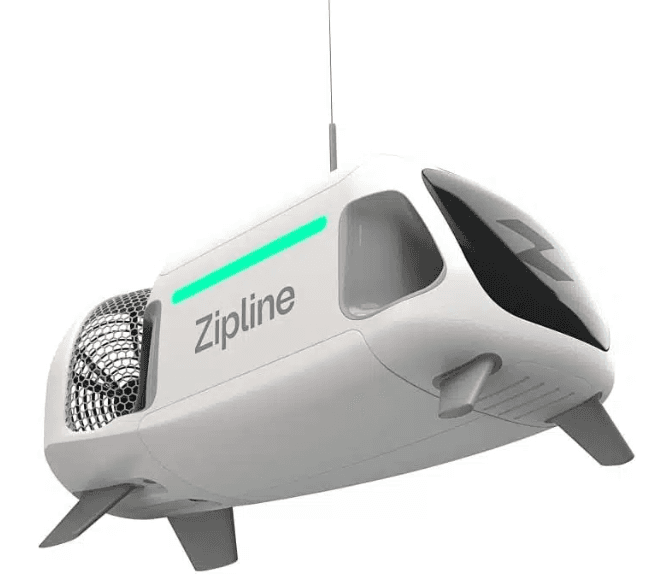
A drone that can carry two large pizzas and sodas in a single trip is no longer a lab demo. Flytrex and Little Caesars said on April 23 that they were expanding drone delivery with the new Sky2 system, which can carry up to 8.8 pounds and, for the first time in restaurant delivery, handle that kind of order in one flight.
For McDonald’s workers, the point is not pizza. It is the speed at which off-premise competition is changing. McDonald’s has made delivery one of its core growth pillars, alongside digital and drive-thru, and its 2024 annual report said the company continued to double down on those “4Ds.” The chain also said its loyalty program topped 175 million users across 60 markets in 2024, while global systemwide sales exceeded $130 billion. That kind of scale makes every delivery efficiency gain matter, because even small changes in timing, packaging, and handoff can ripple through thousands of restaurants.
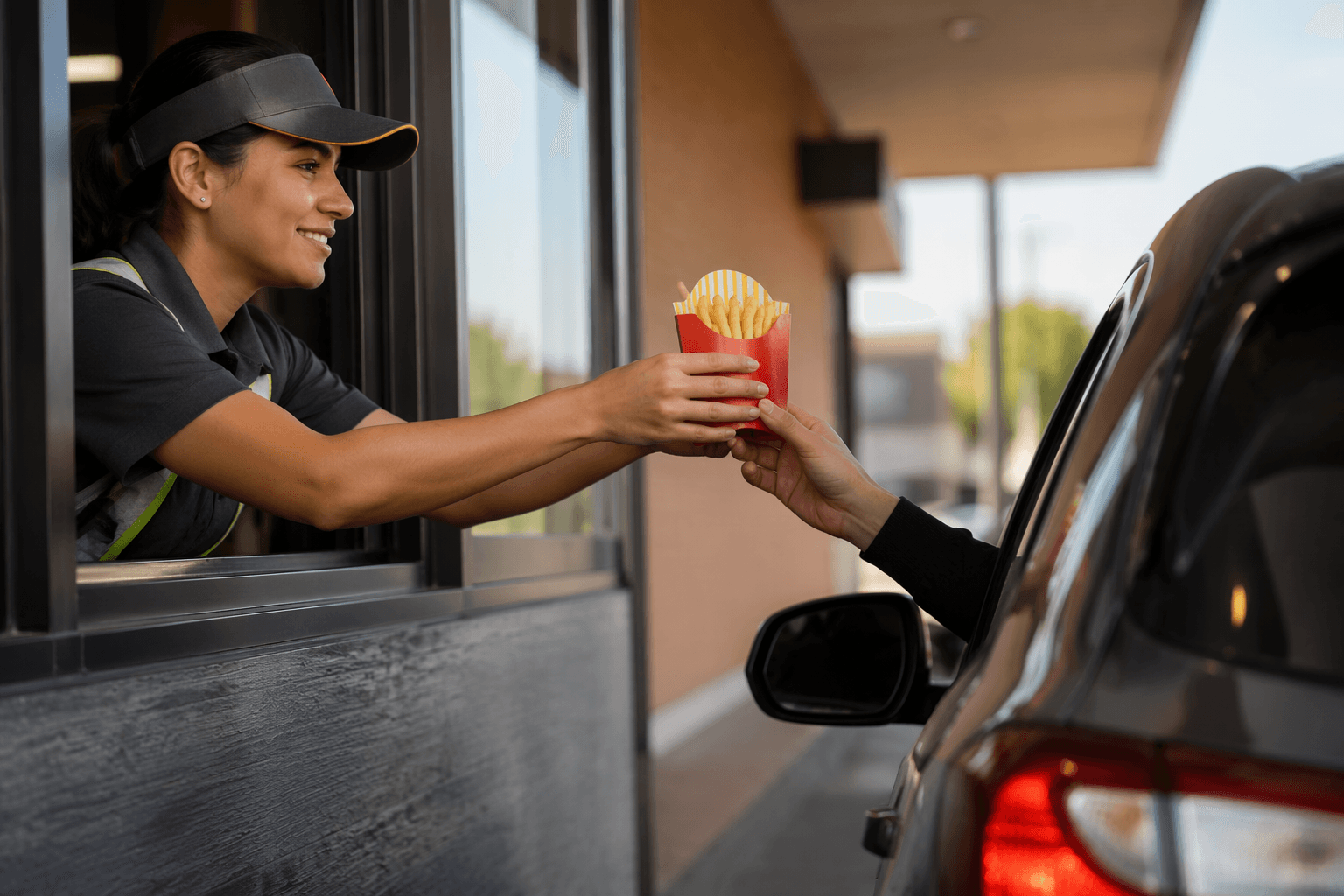
The operational impact is where crew members and shift managers will feel the pressure first. If drones or similar tools make delivery faster and cheaper for competitors, restaurants will have to keep their own off-premise business tight. That can mean more packaging work, more exact order timing, and more coordination between the kitchen, front counter, and delivery pickup area. For managers, the question becomes how many people are needed on certain dayparts and whether the restaurant needs a different setup for handoffs, especially when delivery volume spikes alongside drive-thru demand.
McDonald’s has already been heading in this direction. Its corporate materials say the company is trying to use technology to make ordering faster and easier across McDelivery, dine-in, takeaway, and drive-thru. In late 2023, McDonald’s said it was targeting 50,000 restaurants by 2027 and aiming for 250 million 90-day active loyalty users by then. The company also reported more than $20 billion in systemwide sales to loyalty members in 2023, showing how much of the business is already tied to digital behavior and repeat ordering.
The drone question is whether automation stops at kiosks and apps or keeps moving into the last mile. The Federal Aviation Administration has proposed rules for beyond-visual-line-of-sight drone operations, the kind of regulatory change that would be central to scaling commercial delivery. McDonald’s has already been part of earlier experiments too, including a McDelivery drone test in San Diego through Uber Eats. That makes the Little Caesars and Flytrex announcement less of a novelty than a warning shot: the race to make delivery cheaper, quicker, and less labor-intensive is already reshaping the work behind the counter.
This article was produced by Prism’s automated news system from verified source data, official records, and press releases, then run through automated quality and moderation checks before publishing. The system is built and supervised by the people who set the standards it runs under. Read our full AI policy.
Did this article answer your question?