EEOC outlines harassment rules, training tools for McDonald’s workplaces
Harassment on a McDonald’s shift is not just bad attitude. The EEOC says the line turns on protected traits, retaliation, and serious conduct, and real franchise cases show the cost.
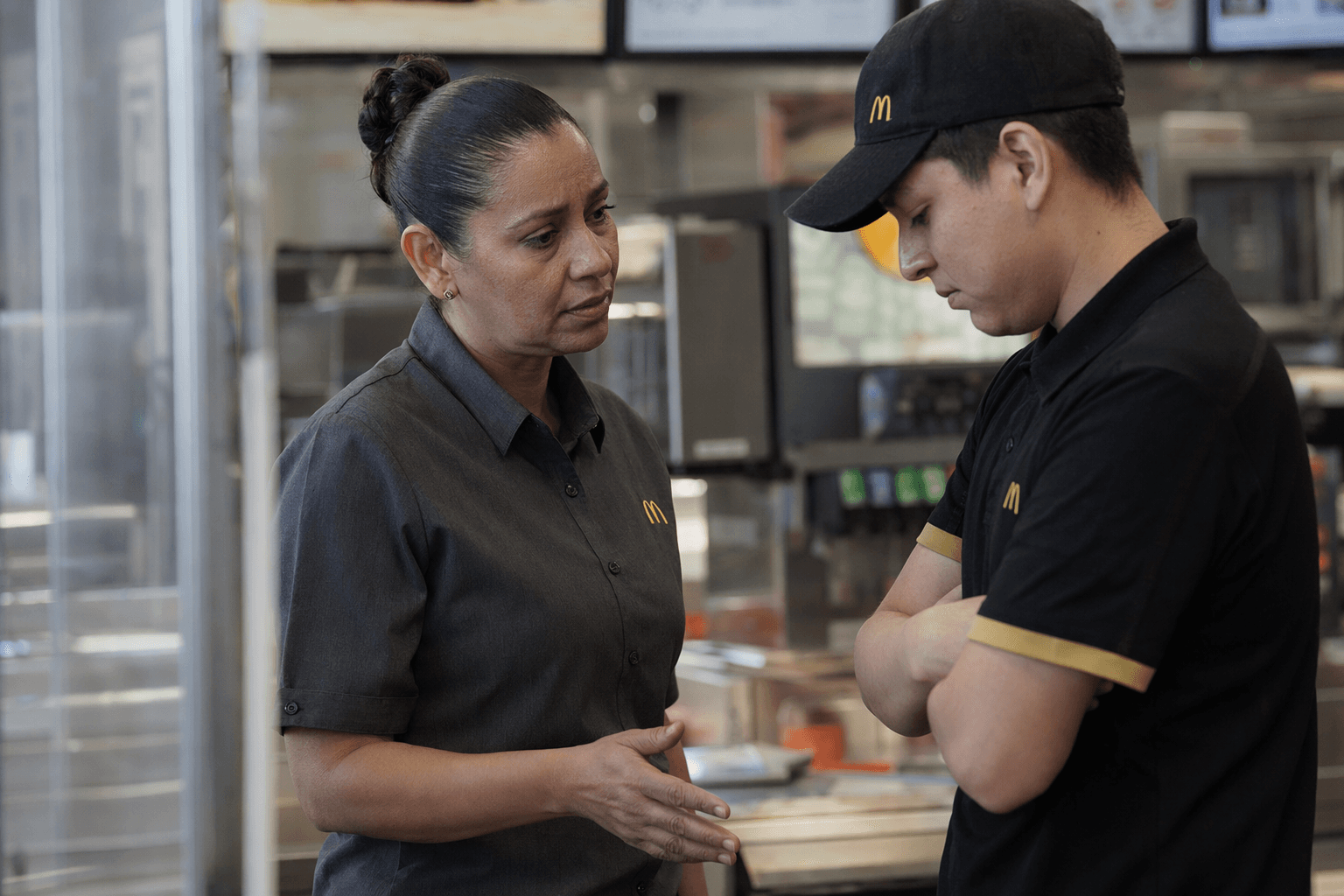
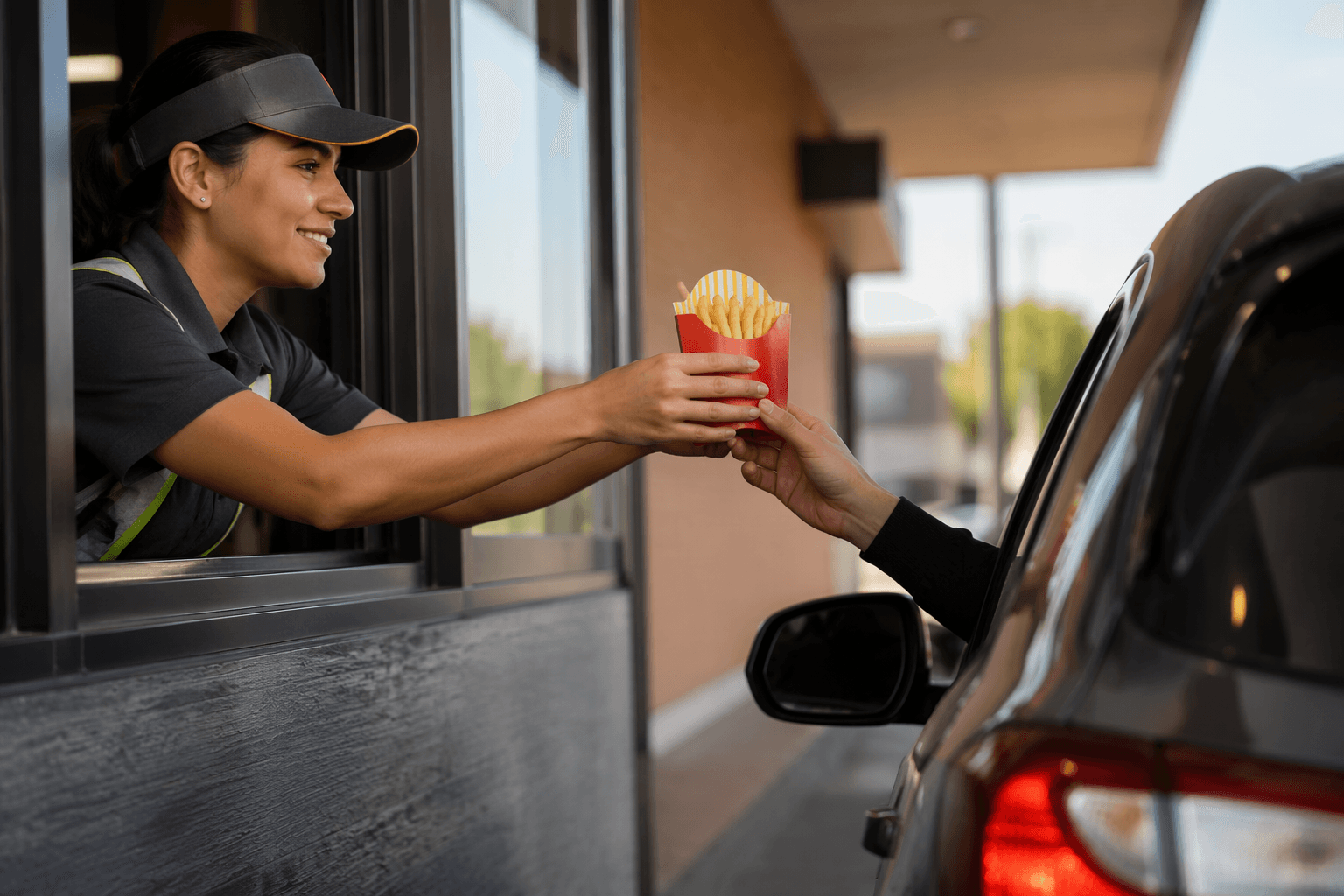
What respectful conduct looks like on a McDonald’s shift
A lunch rush can be loud, cramped, and rude. That does not make harassment normal. The EEOC’s guidance draws a line McDonald’s crews need to know: petty slights and isolated annoyances usually are not illegal, but conduct tied to race, sex, religion, national origin, age, disability, or another protected trait can cross into harassment fast, especially when it is repeated or extremely serious.
That distinction matters in a restaurant where people work shoulder to shoulder, take orders from strangers, and rely on managers to step in quickly. A bad tone from a customer or a sharp comment in the kitchen may be unpleasant; slurs, sexual remarks, threats, or retaliation for speaking up are different. In a McDonald’s setting, the key question is not whether the shift felt tense. It is whether the conduct was tied to a protected status, whether it was severe enough to matter under federal law, and whether management responded.
When rude becomes reportable
Not every ugly interaction is illegal harassment, and that is an important point for crew members and managers. The EEOC says petty slights, annoyances, and isolated incidents generally do not rise to the level of unlawful harassment unless they are extremely serious. That means a short temper, a one-off argument over fries, or a blunt correction from a supervisor may be poor management or poor manners without becoming a civil-rights issue.
The line moves when the behavior is targeted, repeated, or rooted in protected characteristics. In a McDonald’s restaurant, that can look like a supervisor mocking a worker’s accent, a manager making sexual comments during closing, a coworker repeatedly using racial slurs, or a teenage employee being singled out because of age. It can also include retaliation, which the EEOC says is prohibited when a worker files a discrimination charge, testifies, participates in an investigation or lawsuit, or opposes practices they reasonably believe are discriminatory.
For workers, that means a useful rule of thumb: if the conduct is just unpleasant, note it. If it is tied to who you are, what you reported, or what you refused to tolerate, document it as a workplace concern that needs escalation.
How harassment shows up on a restaurant floor
McDonald’s shifts create a lot of opportunities for conduct to blur together, especially when the line is moving and the headset is constantly crackling. A customer yelling because the order is wrong is not the same thing as a customer who keeps making sexual comments to a cashier, using a slur, or targeting a worker’s accent or age. Managers cannot treat that as part of service culture and move on.
Inside the store, harassment often starts with “jokes” that are not really jokes. It can be a shift manager commenting on a crew member’s body, texting after hours in a way that turns personal or sexual, or using the group chat to shame a worker in front of the whole team. Fast food kitchens also create a risk that disrespect gets normalized because the pace is so high. The EEOC’s message is that speed is not an excuse for conduct that demeans, isolates, or retaliates.
Back-of-house interactions matter too. A cook can snap during a rush and still be within the bounds of ordinary workplace friction. But if one worker is constantly targeted because of sex, religion, disability, or another protected trait, or if a supervisor lets the behavior continue after it is reported, that becomes a different problem entirely. The legal issue is not whether the kitchen was busy. It is whether the employer allowed discriminatory harassment to take root.
What to document before the shift memory fades
Workers at McDonald’s often do not have the luxury of a long break to sort out what happened. That is why documentation matters. Write down the date, time, location, who was there, what was said or done, whether anyone else heard or saw it, and whether it was repeated in texts, DMs, or the crew group chat. If the problem involves a customer, note whether the manager was told and what action, if any, was taken.
Keep the record factual and simple. If a supervisor made a sexual comment, quote it as closely as you can. If a coworker used a slur, write the word exactly as it was used. If the issue was retaliation after a complaint, keep the timeline clear: when you reported, to whom, what happened next, and whether schedules, hours, tasks, or treatment changed.
That record matters because harassment cases rarely turn on one vague complaint. They turn on patterns, response, and whether the employer took the issue seriously.
Who to tell when the chain of command is the problem
In a franchise system, the first conversation is often with the local manager, but that is not always enough. The EEOC’s guidance makes clear that effective prevention depends on trusted and accessible complaint procedures, not just a policy posted in the back office. If the manager is part of the problem, workers need a route to someone else: an owner-operator, higher-level management, HR, or another reporting channel the restaurant has set up.
For franchisees, that is where the pressure lands. A store can have a corporate brand on the sign, but the day-to-day environment is often shaped by a local owner and the managers on each shift. If they ignore complaints, laugh off texts, or treat harassment as a crew problem instead of a leadership problem, they are inviting risk that can spread through the whole operation.
What employers are supposed to prevent
The EEOC says effective prevention rests on five core principles: committed and engaged leadership, consistent accountability, strong and comprehensive harassment policies, trusted and accessible complaint procedures, and regular, interactive training tailored to the workplace and the audience. In a McDonald’s restaurant, that means more than a handbook and a sign-off sheet.
It means managers have to intervene when a line cook gets targeted, not wait for the victim to “work it out.” It means crew members need a real way to report conduct without fear of retaliation. It means supervisors have to model the standard they expect on the floor, in the break room, and in text threads that can turn a quick scheduling question into a hostile exchange.
The EEOC also offers two training tools built for that purpose: Leading for Respect for supervisors and Respect in the Workplace for all employees. The agency describes them as interactive, skills-based programs that teach acceptable workplace conduct, how to create respectful workplaces, how to respond to harassing conduct, and when bystanders should step in. They can also be customized for different workplaces and used to review an employer’s own policies and procedures.
Why the legal risk is real for franchise owners
McDonald’s harassment cases are not hypothetical. In January 2023, AMTCR, Inc., AMTCR Nevada, Inc., and AMTCR California, LLC, which operated about 18 McDonald’s restaurants in Nevada, Arizona, and California, agreed to pay $1,997,500 to resolve an EEOC sexual harassment lawsuit. In June 2022, Coughlin, Inc., which owned and operated ten McDonald’s franchise restaurants in Vermont and New Hampshire, agreed to pay $1,600,000 to settle a sex discrimination and retaliation case. Earlier, Credle Enterprises, LLC, doing business as McDonald’s in the Texas panhandle, agreed in November 2019 to pay $340,000 to settle a sexual harassment lawsuit.
The newest warning is just as direct. In January 2026, Arch Fellow North, LLC, the owner and operator of eight McDonald’s restaurants in eastern Oklahoma, agreed to pay $80,000 and provide other relief after the EEOC said a teenage worker was sexually harassed by a male supervisor and forced to resign. In a separate case, the EEOC said a McDonald’s restaurant in Checotah, Oklahoma, operated by Arch Fellow North, violated federal law when a manager sexually harassed a 17-year-old worker around November 2021.
That pattern tells the story. The EEOC treats harassment prevention in restaurant work as a recurring enforcement issue, especially where young workers are involved and where franchise owners control the conditions that shape a shift. In a business built on speed, the real standard is simple: keep the crew safe, act fast when conduct crosses the line, and never ask workers to treat discrimination as part of the job.
This article was produced by Prism’s automated news system from verified source data, official records, and press releases, then run through automated quality and moderation checks before publishing. The system is built and supervised by the people who set the standards it runs under. Read our full AI policy.
Did this article answer your question?