EEOC Sues McDonald’s Alleging Disability Discrimination in Hiring of Deaf Applicants
The EEOC sued McDonald's for allegedly denying deaf applicants interviews and reasonable accommodations, a case that could reshape hiring practices and accessibility at restaurants.
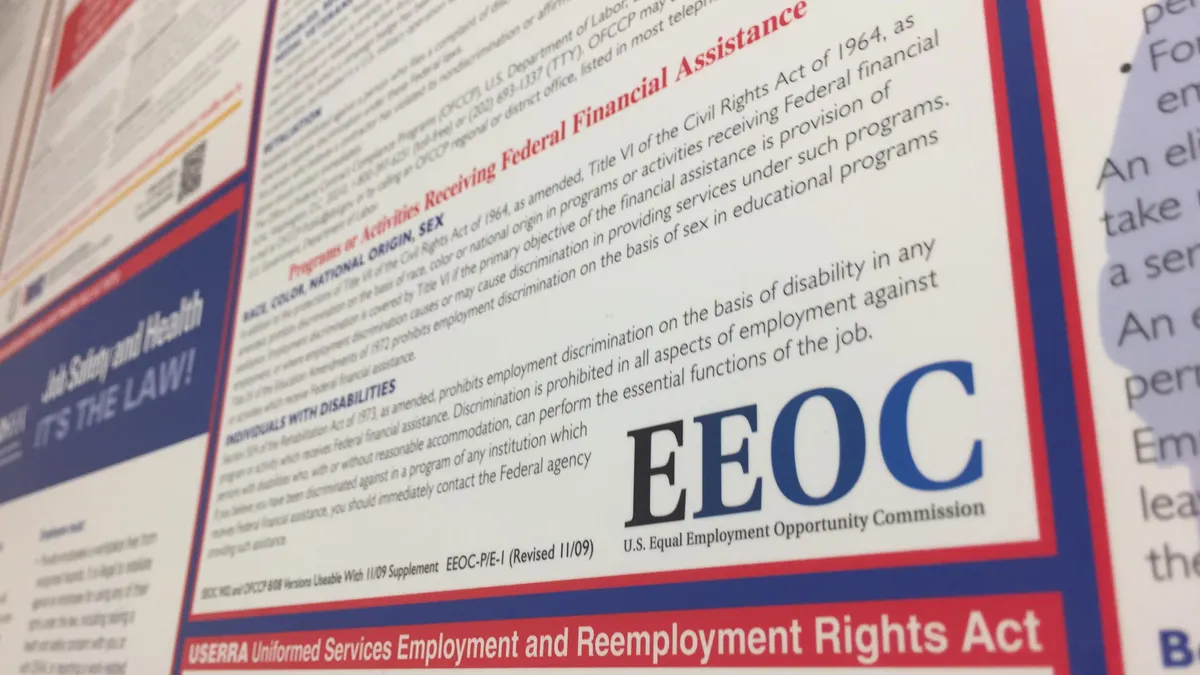
The U.S. Equal Employment Opportunity Commission filed suit against McDonald’s and associated restaurant operations in the U.S. District Court for the Western District of Missouri, alleging that restaurant managers excluded applicants who are deaf from equal access to interviews and hiring by failing to provide reasonable accommodations. The complaint, filed January 16, 2026, seeks back pay, injunctive relief including training for managers on accommodations for applicants with disabilities, and compensatory and punitive damages.
The EEOC’s complaint centers on the hiring stage, saying that deaf applicants were effectively blocked from competing for jobs because managers did not offer or arrange accommodations that would have enabled them to interview. The agency framed the suit as part of an ongoing enforcement push to remove barriers to employment for people with disabilities and to hold large national employers accountable for their hiring practices.
The allegations, if proven, carry practical implications for workers at every level of the fast-food business. Front-line managers and supervisors who conduct interviews may face new compliance obligations, including clearer procedures for responding to accommodation requests, access to sign language interpreters or other communication supports, and documentation practices to track requests and outcomes. For crew members and shift leads, the case could prompt refreshed training on nondiscrimination and on how to interact with candidates who use different communication methods.
Franchisees and corporate operated restaurants could see operational ripple effects. Implementing accommodations may require changes to interview logistics, budgeting for interpreter services or accessibility tools, and updating applicant-facing materials to inform candidates how to request help. The prospect of back pay and damages also raises financial considerations for restaurants named in the suit, and the requested injunctive relief would likely impose ongoing compliance and monitoring duties.
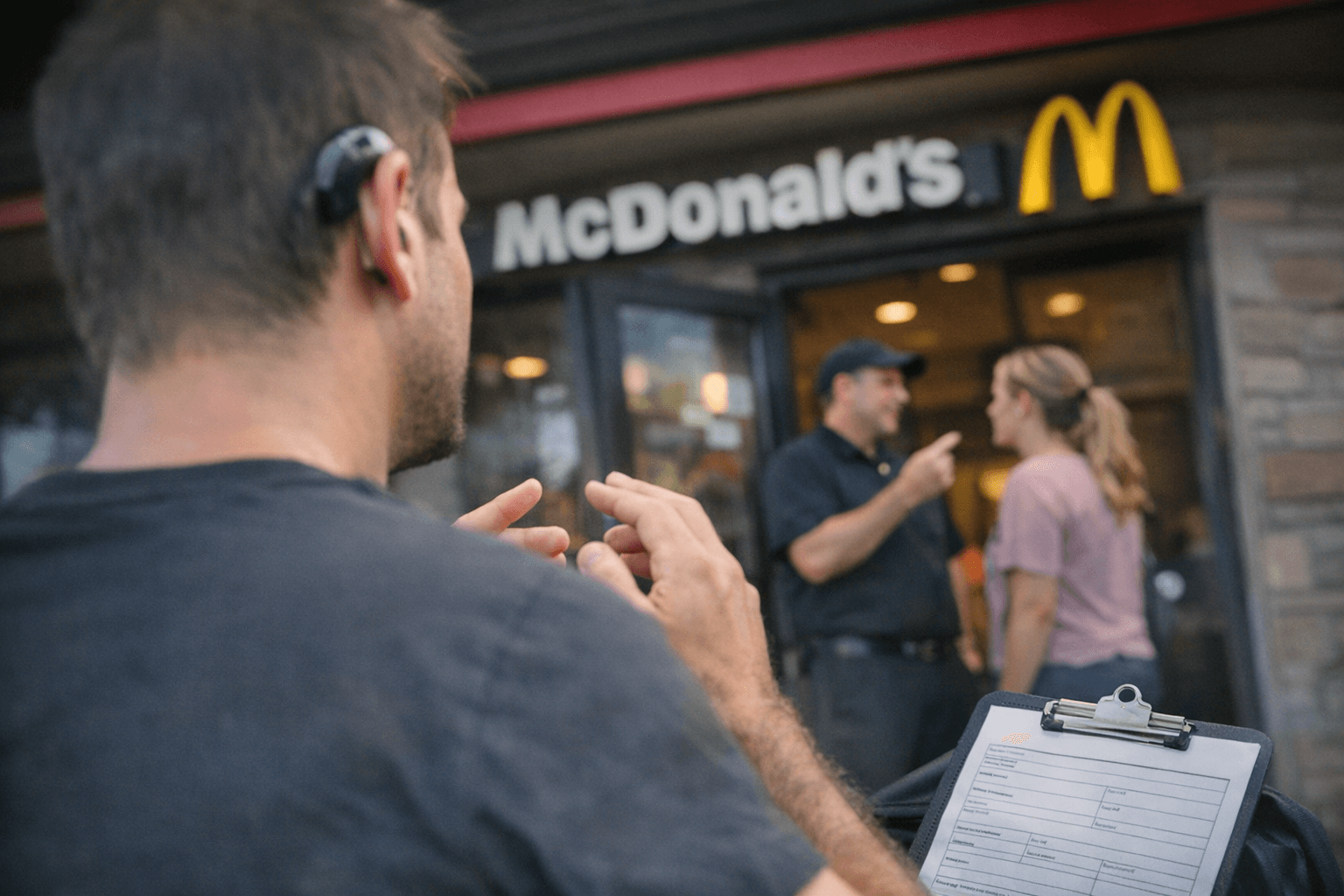
For job seekers with disabilities, the lawsuit underscores persistent barriers to equal opportunity in entry-level hiring. Advocates say removing those barriers can increase access to stable work and career pathways within companies that rely on high-volume recruiting. For existing employees, a shift toward more inclusive hiring practices could change team composition and workplace culture, while also creating expectations for broader disability awareness on the floor.
The case will proceed in federal court in Missouri, and its resolution could set a notable example for how large employers across the service sector handle accommodation requests during hiring. For workers and applicants, the lawsuit highlights the importance of clear company policies on interviews and accommodations and signals that regulators remain focused on ensuring nondiscriminatory access to jobs.
This article was produced by Prism’s automated news system from verified source data, official records, and press releases, then run through automated quality and moderation checks before publishing. The system is built and supervised by the people who set the standards it runs under. Read our full AI policy.
Did this article answer your question?

