FDA Food Code Explains McDonald's Safety Rules, Training Standards
A single missed step can become a write-up, a failed inspection point, or a 14-state outbreak. The FDA Food Code explains why McDonald’s safety rules are so strict.
Why the Food Code shows up on your shift
A batch of onions can turn into a 14-state problem fast. CDC said a 2024 E. coli O157:H7 outbreak tied to fresh slivered onions served at McDonald’s sickened 104 people, a reminder that the smallest prep-room mistake can ripple across a national chain.
That is why the FDA Food Code matters even to crew members who never open the document. The FDA calls it its best advice for the safety and protection of food offered at retail and in food service, and the 2022 edition is the 10th version. It reflects input from regulatory officials, industry, academia, and consumers through the Conference for Food Protection, and FDA encourages state, local, tribal, and territorial partners to adopt the latest version.
What the Food Code is really doing
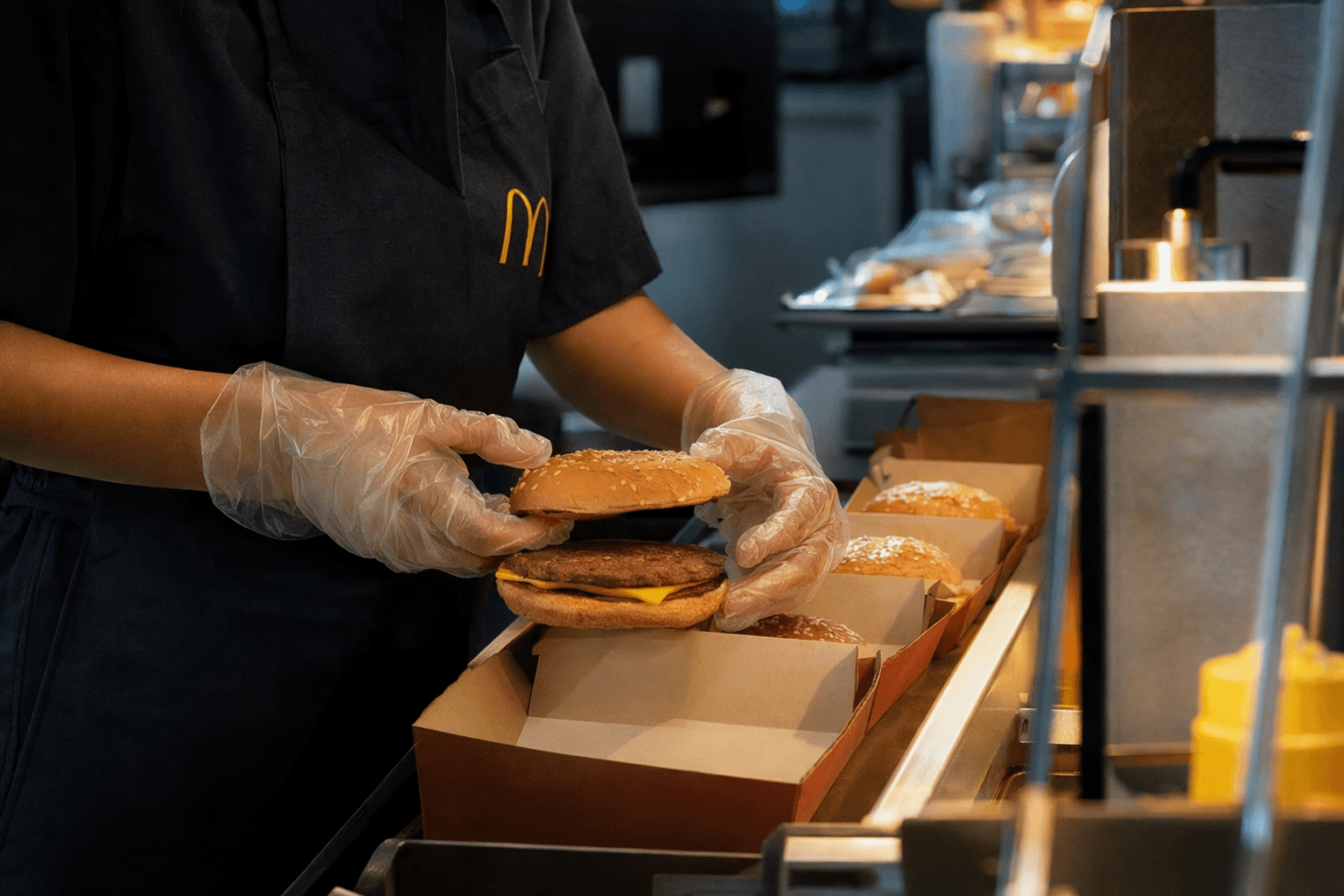
On the line, the Food Code is not some abstract rulebook sitting in an office. It is the framework that helps explain why managers care so much about date marking, temperature control, proper cleaning, and hand hygiene, because those are the habits that keep food safe and help a restaurant pass inspection.
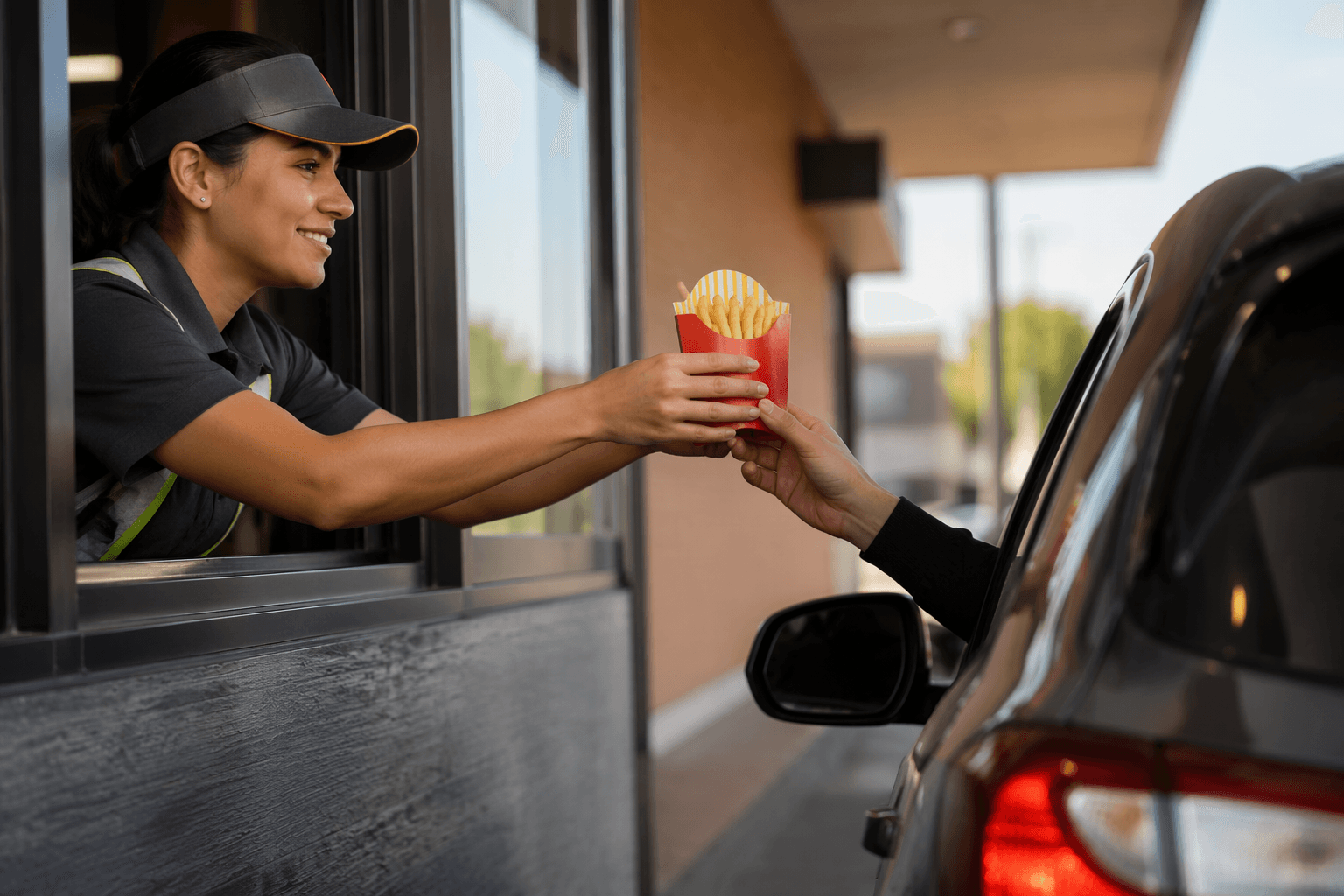
For a McDonald’s crew member, that means the regular tasks that can feel repetitive are actually part of the store’s safety system. If holding temperatures drift, if product is left too long, or if a surface is cleaned the wrong way, the problem is not just a correction from a shift lead. It can become a failed inspection point, a training issue, or a customer safety risk.
How training gets turned into behavior
The FDA’s retail food educational posters and storyboards are built for exactly that kind of shift-level reality. The agency says they are designed to enhance food safety training at the retail level by helping food employees understand the important role they play in protecting public health.
Those materials can be posted and distributed freely with credit to FDA, which makes them especially useful in a high-turnover workplace where managers need tools that work on the wall, in a break room, or in a pre-shift huddle. Instead of just telling people what to do, the materials help explain why the rule exists, which matters when a crew member is being trained on why handwashing timing matters, why food has to be moved at the right temperature, or why a wipe-down has to happen in a specific order.
That is the practical payoff on a McDonald’s shift. When the crew understands the reason behind a rule, the correction lands differently. It is not just about avoiding a comment from the person running the floor. It is about making sure the store does not create a problem that shows up later in a health department review.
Why franchise operators and managers pay attention
The Food Code also matters because it gives franchisees and managers a national framework they can use to line up with local health department expectations. McDonald’s restaurants operate in a system where corporate standards, franchise practices, and local inspection rules all have to fit together, so a common food-safety baseline makes day-to-day training easier to standardize across locations.
FDA says the Food Code represents a successful federal, state, and local partnership. That partnership is not theoretical: as of December 31, 2023, 50 states plus Washington, D.C. had adopted some version of the Food Code, with California the only exception. FDA also said 35 states had adopted one of the three most recent versions, which means a large share of the country is working from a closely aligned playbook.
For workers, that consistency has a real upside. If you move between stores, train under a different manager, or pick up extra hours in another market, the basics of what gets checked are usually familiar. That can reduce the chance of being blindsided by a correction, especially when the issue is as simple, and as serious, as a handwashing miss or a temperature log that was not kept up.
Why inspections matter so much in restaurants
The CDC says about 800 foodborne outbreaks are reported to it every year, and most of them happen in restaurants. That is the core reason local inspections are such a big deal in food service: they are one of the main tools health departments use to improve restaurant food safety and prevent foodborne illness.
CDC research also links posting health department inspection scores and using letter grades with fewer foodborne outbreaks. In plain terms, what happens during a lunch rush or closing shift can affect what a store puts up on the wall after an inspection. For McDonald’s crews, that means a missed sanitizer step, a handwashing lapse, or the wrong holding temperature is never just a small operational slip. It can become part of the record that inspectors use to judge the store.
What McDonald’s safety systems are trying to do
McDonald’s says its global food safety strategy is built around a globally aligned approach based on science and validated by external third parties. The company also says food safety audits and quality control are meant to support that system.
That approach lines up with the Food Code’s logic: use a common standard, check it repeatedly, and treat the routine steps as part of a larger control system. In a restaurant the size of McDonald’s, safety is not built by one big action. It is built by hundreds of small ones, from prep to holding to cleaning to handwashing, all of which have to hold up under a rush.
That is why the 2024 onion outbreak hit so hard as a warning signal. A single ingredient issue can move through a national chain quickly, and when that happens, the difference between a controlled problem and a public health event is often whether the store-level habits and supplier controls were already tight enough.
Allergen rules are part of the same shift-level reality
The Food Code also evolves when food safety risks change. FDA says sesame became the ninth major food allergen in the 2022 Food Code starting January 1, 2023, which matters for training, labeling awareness, and allergen controls in restaurant settings.
For crew members, that means allergen awareness is not a niche topic reserved for managers. It is part of the same safety discipline as keeping food at the right temperature and washing hands at the right time. When a store handles allergens correctly, it reduces the chance of a mistake that can turn a normal order into an emergency.
The Food Code is easy to miss until something goes wrong. In a McDonald’s restaurant, it quietly defines the standards behind the routines crews are judged on, and it is often the line between a clean inspection and a correction that everyone remembers.
This article was produced by Prism’s automated news system from verified source data, official records, and press releases, then run through automated quality and moderation checks before publishing. The system is built and supervised by the people who set the standards it runs under. Read our full AI policy.
Did this article answer your question?