Federal Judge Narrows Franchise Discrimination Claims Against McDonald's, Allows Some to Proceed
Civil rights claims against McDonald's survived a dismissal bid last week, keeping alive a former franchisee's suit over how corporate operated and ended his franchise agreement.

A former McDonald's franchisee's most targeted discrimination claims cleared their first courtroom hurdle last week, as a federal judge in the Northern District of Illinois refused to throw out the most precisely pleaded allegations in McPherson v. McDonald's USA, LLC, while stripping away the broader theories built around them.
The March 27 ruling split the difference. The court dismissed the plaintiff's sweeping franchise discrimination and contract-based theories, finding several time-barred or insufficiently stated under federal pleading standards. More targeted claims, tied to specific alleged harms during both the operation and termination of McPherson's franchise agreement, were allowed to advance. McDonald's Corporation and McDonald's USA, LLC had their motion to dismiss granted in part and denied in part.
What survived matters more than what was cut. McPherson's complaint asserted claims under federal civil rights statutes, including 42 U.S.C. § 1981, which bars racial discrimination in contracts, alongside state-law contract and tort theories. The allegations center on disparate treatment across the full arc of the franchise relationship, a category that reaches directly into how corporate monitors, evaluates, and ultimately ends agreements with its operators.
For the vast majority of U.S. McDonald's locations run by franchisees rather than corporate, that territory is familiar and consequential. Operators make the daily staffing calls and handle most complaint intake, but McDonald's corporate controls the standards, inspection protocols, and the critical decision of whether a franchise agreement gets renewed or terminated. McPherson's surviving claims sit at that intersection, which is where the real leverage in any franchise system lives.
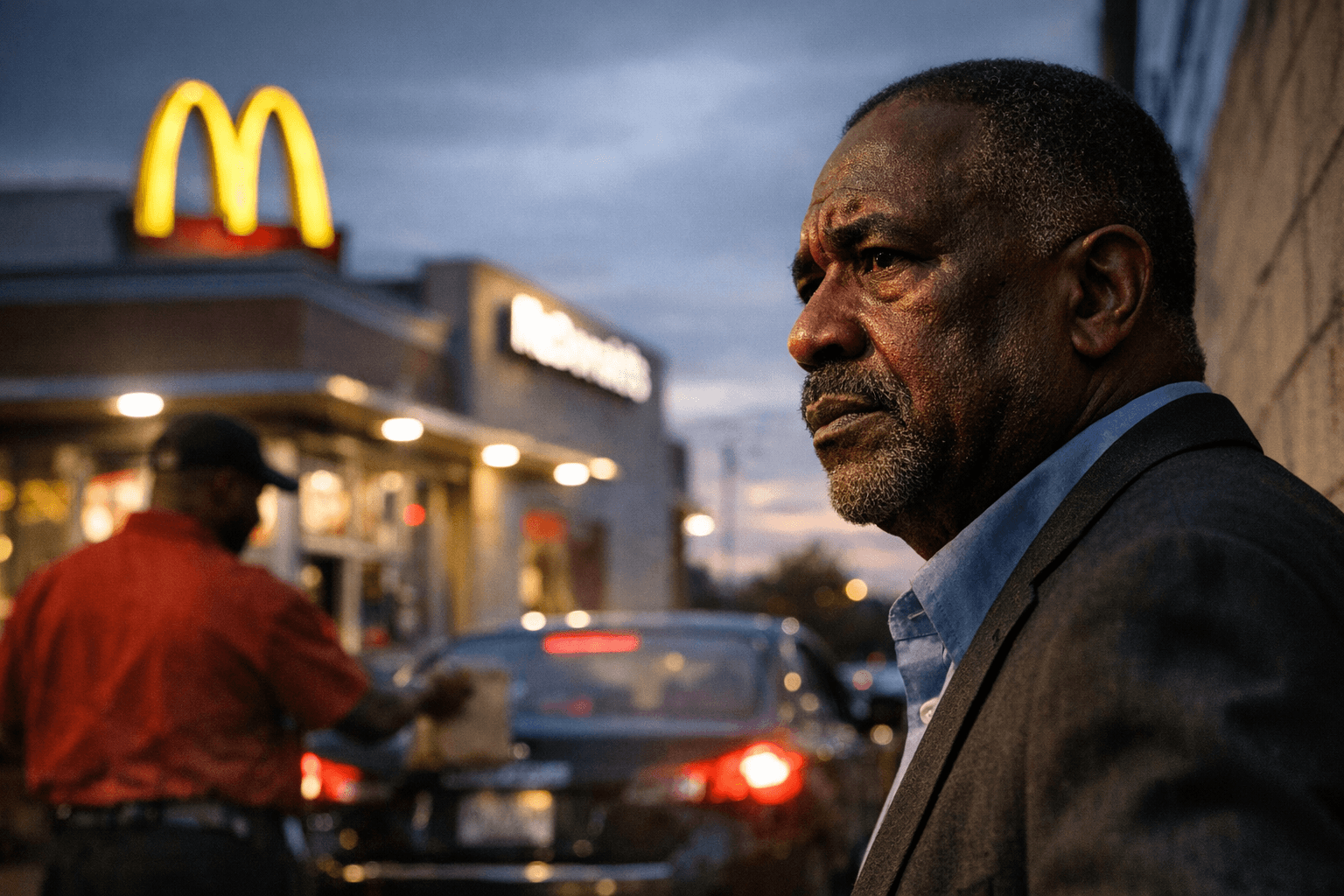
The immediate operational signal for restaurant management is compliance scrutiny. When discrimination claims against a franchisor survive to discovery, operators typically respond by auditing how they document training, field complaints, and communicate with corporate. Discovery can expose whether McDonald's applied its operational standards consistently across franchisees, an uncomfortable question if the answer shows variation by operator demographics.
The ruling resolves nothing about liability. But it gives McPherson's legal team access to depositions and internal records, potentially including documentation of how franchise termination decisions were made and who approved them. That process could surface the kind of corporate-franchise correspondence that rarely faces examination otherwise, and whatever it reveals will land in a system already watching closely.
This article was produced by Prism’s automated news system from verified source data, official records, and press releases, then run through automated quality and moderation checks before publishing. The system is built and supervised by the people who set the standards it runs under. Read our full AI policy.
Did this article answer your question?