Food service hiring jumps, easing and intensifying McDonald’s labor competition
Food service hiring rose by 124,000 even as openings held at 6.9 million, hinting McDonald’s stores may fill slots faster but still churn workers hard.
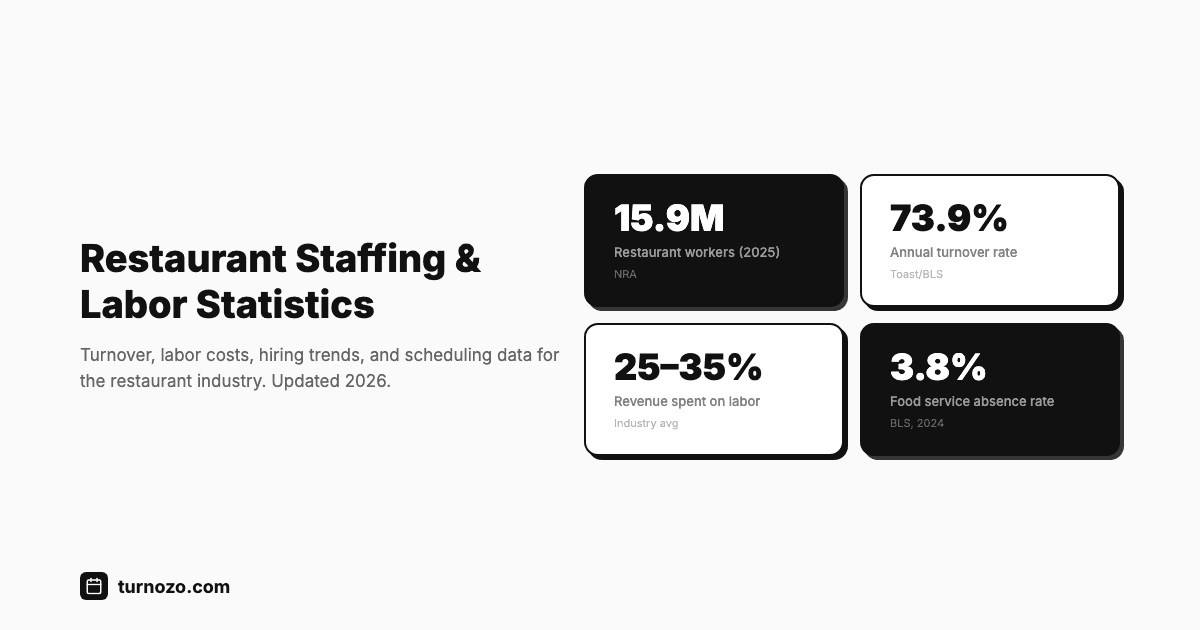
Restaurant hiring just got louder. The Bureau of Labor Statistics said U.S. job openings were unchanged at 6.9 million in March, while hires rose to 5.6 million, and the sharpest food-service signal was a 124,000 jump in hiring across accommodation and food services.
For McDonald’s crews and managers, that combination matters more than the headline stability in openings. A labor market that is not adding more vacancies overall, but is pushing more people into jobs, can make it a little easier for restaurants to staff up. It can also mean the industry is still moving workers around quickly, especially in the hourly jobs that turn over fastest, from crew to shift lead to opening and closing positions.
That is the practical test for stores: whether operators are finally filling roles, or simply replacing people more often. If hiring is rising while openings stay flat, the pressure inside a McDonald’s may show up less in the number of unfilled jobs and more in how long someone stays on the schedule, how often managers are rebuilding the crew, and how much time experienced workers spend training the next person in line. For employees already on the floor, that can mean a steadier chance of getting hired, but not necessarily a steadier job.
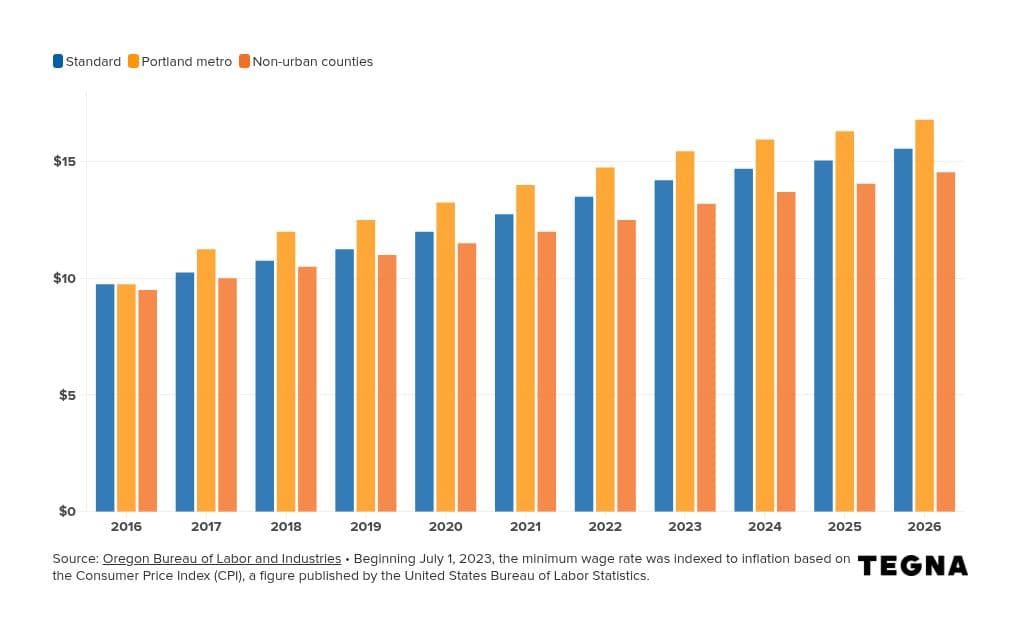
The food-service number also cuts both ways for bargaining power. When restaurants need workers, crew members have more leverage to push for better schedules, faster promotions, and pay that reflects the strain of rush periods, call-outs, and split shifts. But if hiring stays active, operators can also lean on a bigger pool of applicants and keep turnover moving. That tension has defined fast food for years, from Fight for $15 campaigns to state minimum wage increases that have forced operators to rethink labor costs without fixing day-to-day instability.
Inside McDonald’s, the result is likely to be a sharper focus on onboarding, cross-training, and schedule predictability. When hiring picks up, a store can spread labor more flexibly across drive-thru, kitchen, front counter, and delivery handoff work. It can also ease the burden on the people who already know the systems, the menu builds, and the pace that corporate training videos never quite capture.
Still, the broader message from March’s jobs data is not that labor pressure has disappeared. It is that demand for restaurant workers is still real, and in McDonald’s stores that usually means more attention on overtime, internal promotions, and whether managers can keep enough people in the building to avoid burning out the ones who stay.
This article was produced by Prism’s automated news system from verified source data, official records, and press releases, then run through automated quality and moderation checks before publishing. The system is built and supervised by the people who set the standards it runs under. Read our full AI policy.
Did this article answer your question?