Understaffing hurts McDonald’s service, sales, and employee workload
A short-staffed McDonald’s shift does more than stress the crew: it slows service, cuts sales, and raises the odds of burnout, mistakes, and missed breaks.
When one or two people are missing, the whole shift feels it
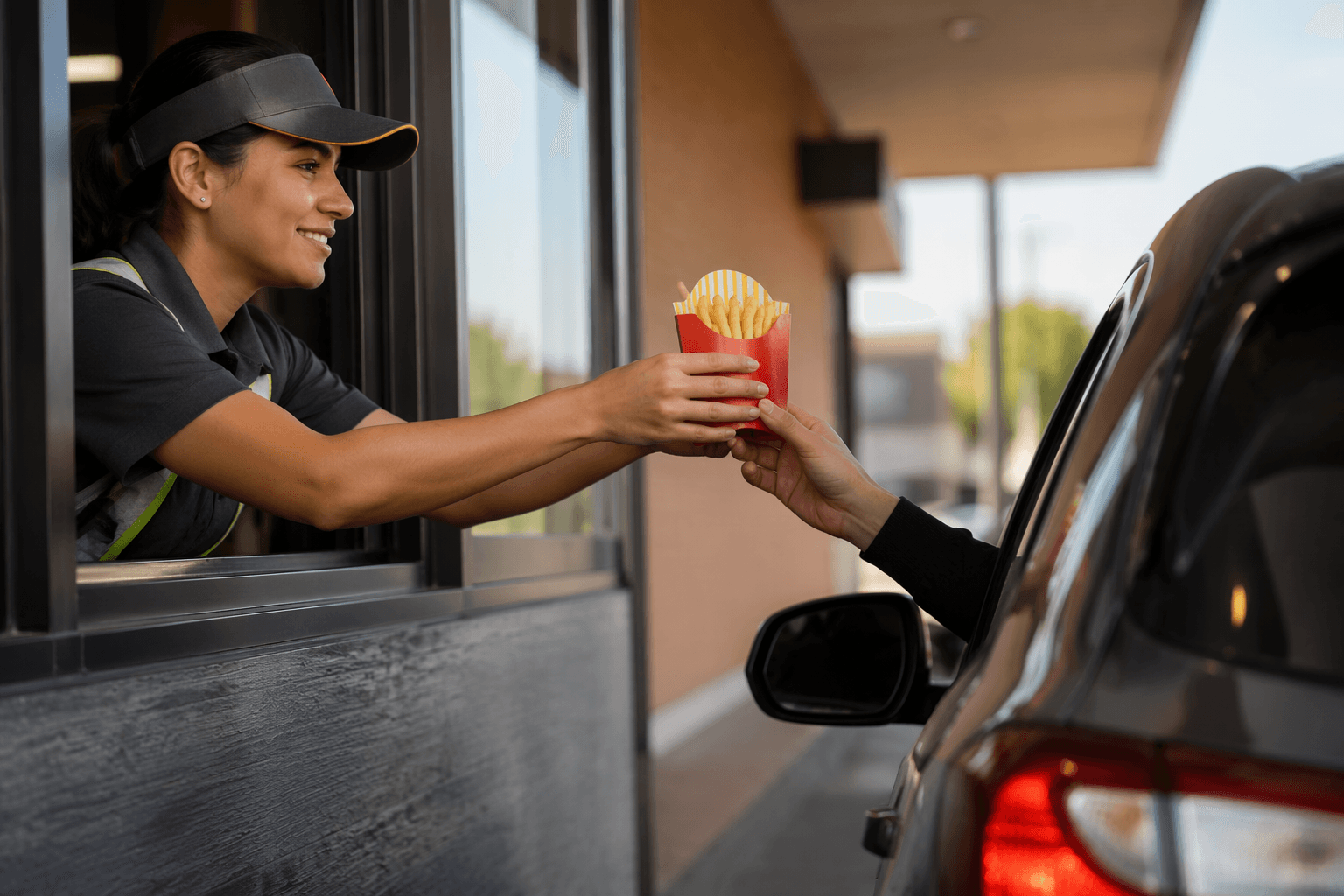
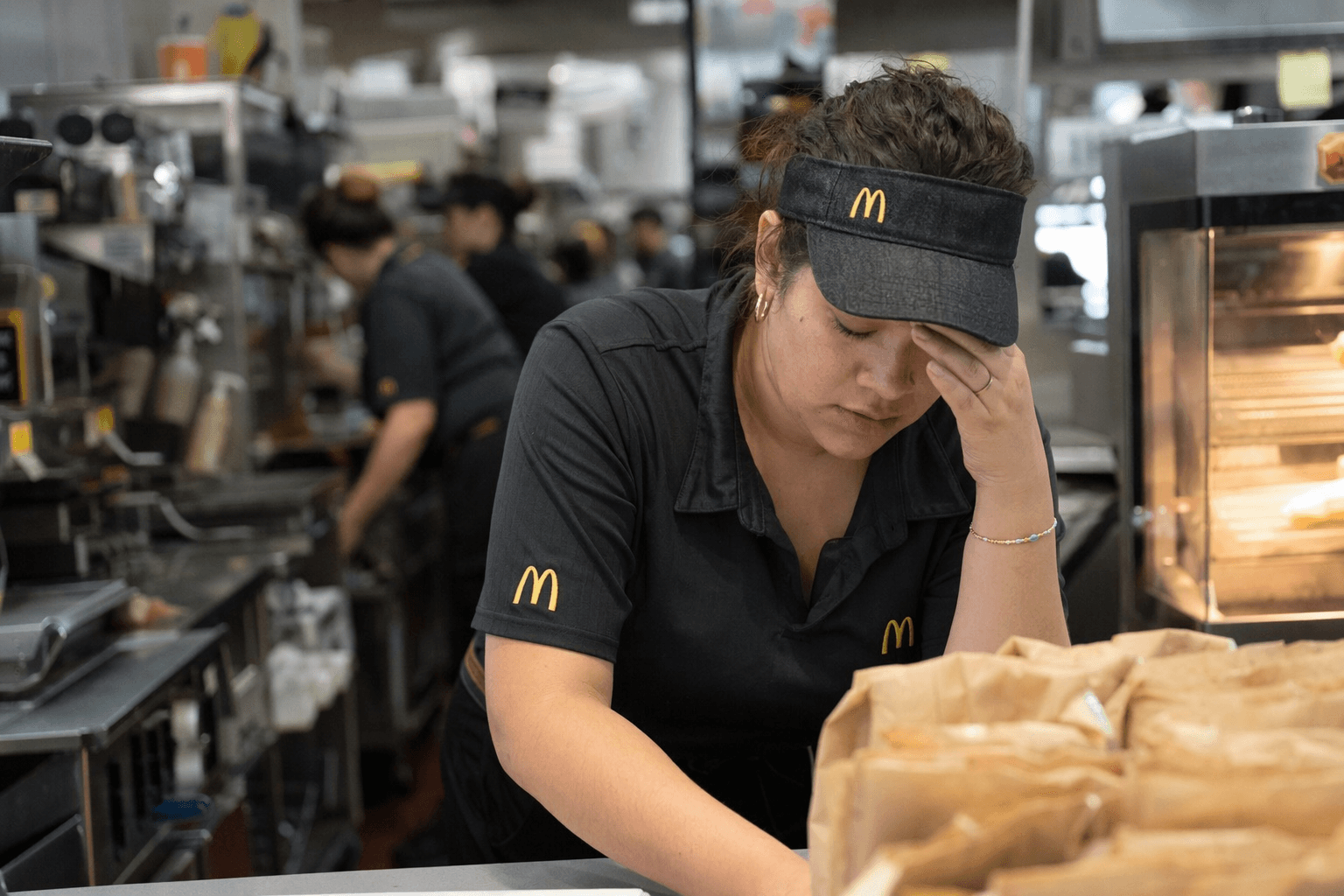
At McDonald’s, being short one crew member is not a small scheduling glitch. It can show up immediately at the drive-thru, where waits stretch out, orders pile up, and the people left on the floor have to move faster just to keep the restaurant from slipping behind. That pressure often means skipped breaks, rushed training, and more mistakes, which is how understaffing turns into both a service problem and a retention problem.
Restaurant Business has tied that kind of staffing gap to a broader warning from the National Restaurant Association and Workday: understaffing is costly, and it can drag on growth, service quality, and sales. For McDonald’s workers, that lines up with what the floor feels like on a busy breakfast, lunch, or late-night run. When the schedule is thin, the job gets heavier for everyone still clocked in.
Short staffing is a sales problem, not just a labor problem
For managers and franchise operators, the biggest mistake is treating understaffing as an inconvenience that can be absorbed by the team. It hits the guest experience first, and that affects repeat business. If service slows, food accuracy drops, and the restaurant feels chaotic, customers notice, and that can weaken value perception at a chain where speed and consistency are part of the brand promise.
That is why cross-training, predictable scheduling, and realistic station coverage matter so much in a McDonald’s store. They are not just HR talking points. They are operating tools that help protect throughput, keep the drive-thru moving, and reduce the number of moments where a single missing person forces the rest of the shift to cover too much ground.
McDonald’s has already said staffing is a business risk
McDonald’s put the issue in plain language in its 2024 Form 10-K, saying that it and its franchisees “have experienced and may continue to experience challenges in adequately staffing certain McDonald’s restaurants,” and that those shortages can hurt operations, including speed of service and customer satisfaction levels. That is corporate confirmation that this is not just a complaint from the floor. It is a disclosed risk that can touch service, sales, and the brand.
The filing also shows why the issue is uneven across the system. McDonald’s says franchising leaves employment decisions largely with individual operators, which means staffing can vary widely from one restaurant to another. In practice, that means one store may be fully covered while another down the road is running breakfast with too few people to handle the rush cleanly.
The scale of the system makes every staffing gap more expensive
McDonald’s reported 2024 global systemwide sales above $130 billion and said the system had more than two million employees and crew. Those numbers matter because they show how many people have to be deployed correctly for the brand to work the way customers expect. When even a small percentage of those restaurants are short-handed, the effect can be felt across a huge volume of transactions.
The National Restaurant Association adds the wider context. It said U.S. restaurants were expected to generate more than $1.1 trillion in sales in 2024 and employ more than 15.7 million people in the United States by the end of the year. The association also said that as of June 2024, eating and drinking places were nearly 36,000 jobs, or 0.3%, above their February 2020 employment peak. That suggests the labor market has normalized somewhat, but it also shows how tight staffing remains in a business where even a small gap can create outsized pressure.
McDonald’s is still hiring at a massive scale because the labor math has not gone away
McDonald’s and its franchisees said they expected to hire up to 375,000 employees in U.S. restaurants in summer 2025. The company tied that hiring push to expansion plans, including a goal to open 900 more U.S. locations by 2027. Restaurant Business noted that the 375,000 figure represented about 3% of the U.S. restaurant workforce, which is a reminder of how large McDonald’s labor footprint remains.
That effort also helps explain the company’s recent staffing posture. McDonald’s said its 2020 reopening hiring goal was 260,000 restaurant employees, so the newer 375,000 target is substantially larger. The message to operators is clear: the chain still sees recruitment and retention as core operating issues, not temporary pandemic leftovers.

Retention tools matter because turnover is expensive on the floor
McDonald’s has also tried to fight understaffing by making the job more sustainable. On the same day it announced the 2025 hiring surge, the company marked the 10th anniversary of Archways to Opportunity and said the program had helped more than 90,000 crew members over 10 years. McDonald’s said participating franchisees have invested more than $240 million in the program since 2015.
Archways offers high school completion, tuition assistance, English-language learning, and career advising. The summaries tied to the anniversary say 80% of participants felt it created more economic opportunity, 55% said it helped them get promoted more quickly, and 72% said it created new job opportunities. For a McDonald’s crew member, that matters because retention is often built on whether the job feels like a dead end or a place where you can move up.
What understaffing means for crew members and managers on a real shift
On the floor, understaffing usually becomes a chain reaction. One person is pulled from a station to help the drive-thru. Another has to cover fries, drinks, or table service at the same time. Training gets compressed into the rush, which increases the odds that a new hire misses a step, and the whole shift spends more time fixing avoidable mistakes instead of serving guests.
That is why a short schedule can cost more than payroll savings. It can lead to slower service, more pressure on the people who did show up, and lower satisfaction for customers who expect McDonald’s to be fast and reliable. In a system with more than two million employees and crew, the real cost of understaffing is not just inconvenience. It is lost sales, lower retention, and a restaurant that gets harder to run every time the schedule comes up short.
This article was produced by Prism’s automated news system from verified source data, official records, and press releases, then run through automated quality and moderation checks before publishing. The system is built and supervised by the people who set the standards it runs under. Read our full AI policy.
Did this article answer your question?