Frontline McDonald’s workers report manager burnout, pressure to promote
A U.S based crew member posted on December 16 about their second day on the job, sparking a threaded conversation where workers described rapid cross training, informal pressure to accept shift supervisor roles, and widespread manager stress. The exchanges matter because they highlight how staffing practices and unpaid responsibilities shape retention, worker wellbeing, and daily operations at McDonald’s restaurants.
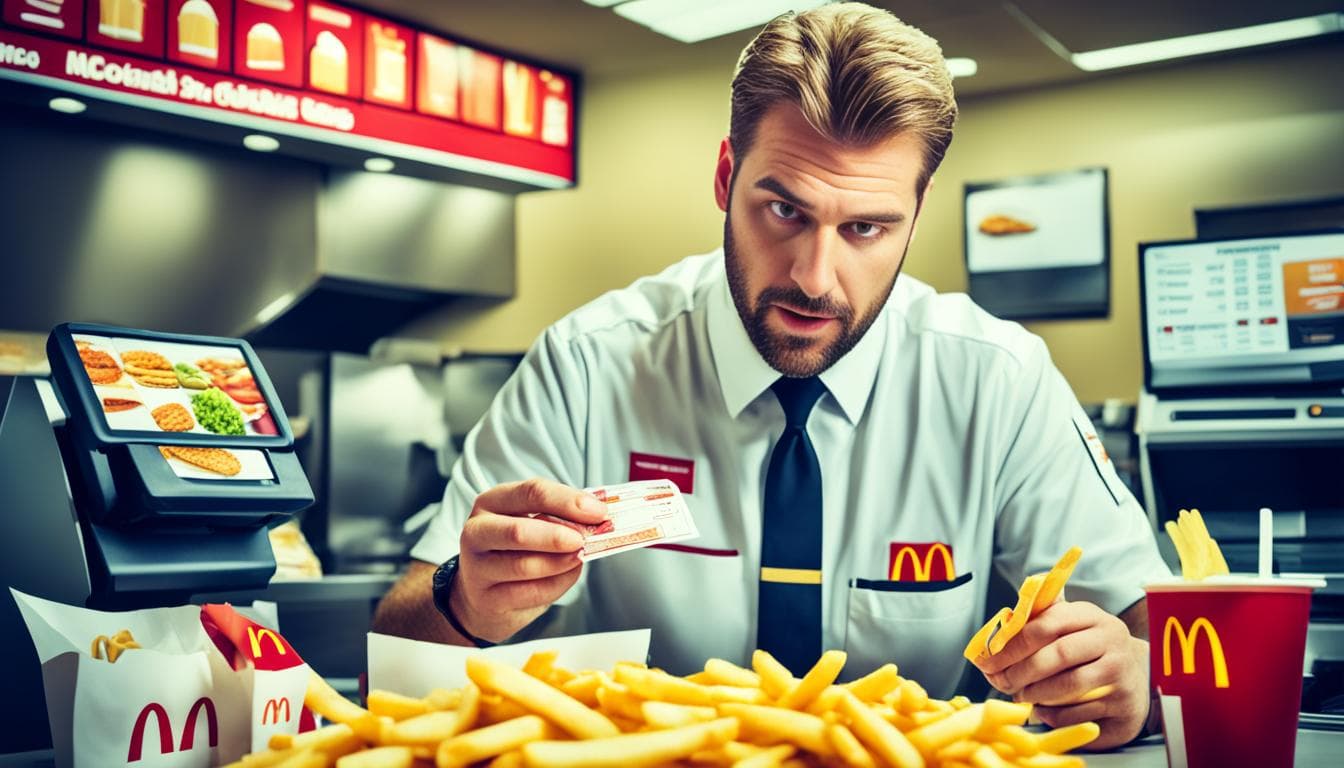
A crew member who had just finished their second day on the job posted an account on December 16 that prompted multiple colleagues to share similar frontline experiences. Commenters described fast paced cross training that often pushed new hires toward supervisory roles in a matter of days, and said managers were routinely stretched thin as they covered extra shifts and fielded messages during off hours.
Several respondents described long working hours for shift managers and ongoing stress among older managers who are trying to keep teams staffed. One commenter wrote that becoming a manager, would make my mental health a wreck. Others warned that promotion came with added responsibilities that were not always reflected in daily life, including covering extra shifts, responding to texts during off hours, and handling retention problems among crew.
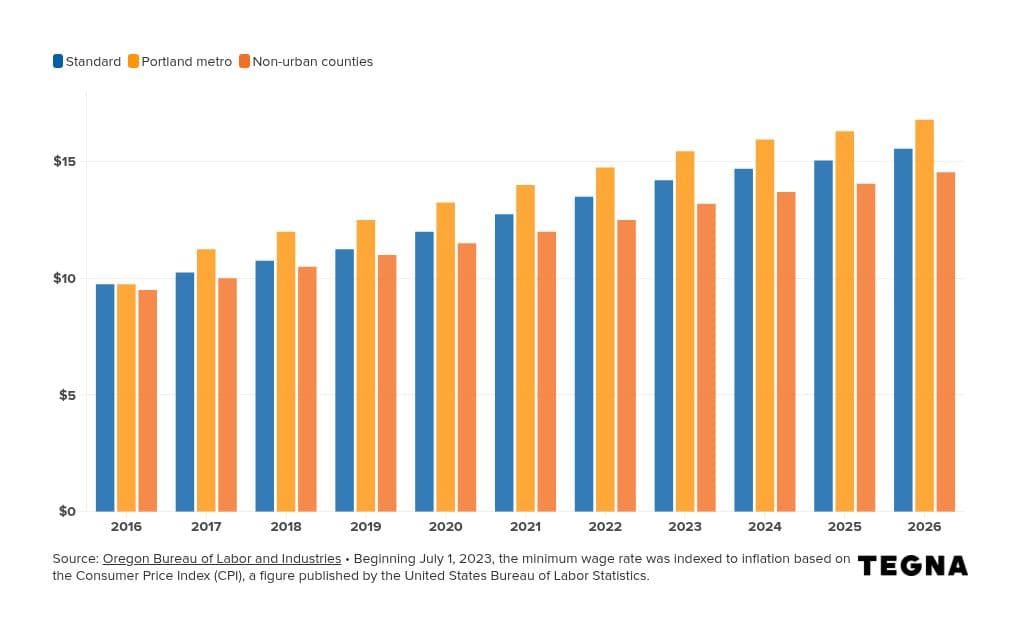
The thread included concrete pay details at some restaurants, with workers reporting pay for shift or assistant managers between $18 and $22 per hour. Even with that range, commenters flagged that the compensation did not always compensate for the unpredictability and additional time demands of management tasks. Several posts linked managerial strain to high turnover among crew and supervisors, which in turn increased pressure on remaining staff and accelerated cross training cycles.
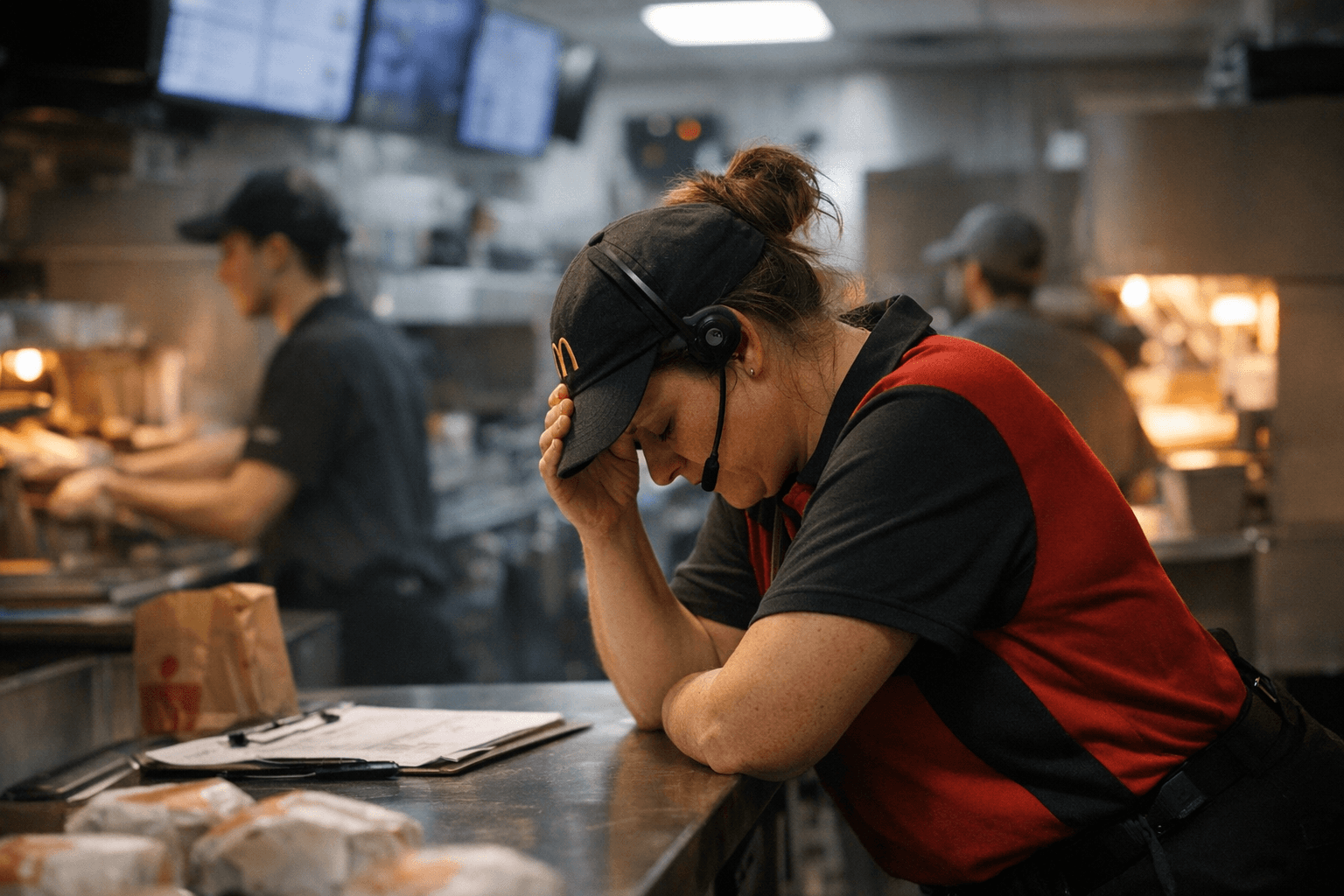
The discussion underscored two dynamics that affect workers and operations. First, rapid promotion or pressure to accept greater responsibility can create role mismatch for employees who are not prepared or willing to absorb the extra duties. Second, manager burnout and schedule instability can push experienced supervisors out of the job, amplifying staffing shortages and putting more stress on entry level crew members.
For workers this conversation offers a snapshot of what day to day life can look like in locations where staffing is tight. For restaurant operations the exchanges underscore a risk that informal expectations and off hours intrusions may undercut retention and service quality. The thread served as a real time frontline perspective on how staffing practices, compensation, and workplace norms interact at McDonald’s restaurants.
This article was produced by Prism’s automated news system from verified source data, official records, and press releases, then run through automated quality and moderation checks before publishing. The system is built and supervised by the people who set the standards it runs under. Read our full AI policy.
Did this article answer your question?