Hezbollah Rockets Destroy McDonald's Interior in Northern Israel, No Casualties Reported
Rocket fire gutted the interior of a McDonald's in Maayan Baruch, northern Israel, leaving no workers or customers among the casualties as Hezbollah barrages swept the Upper Galilee.
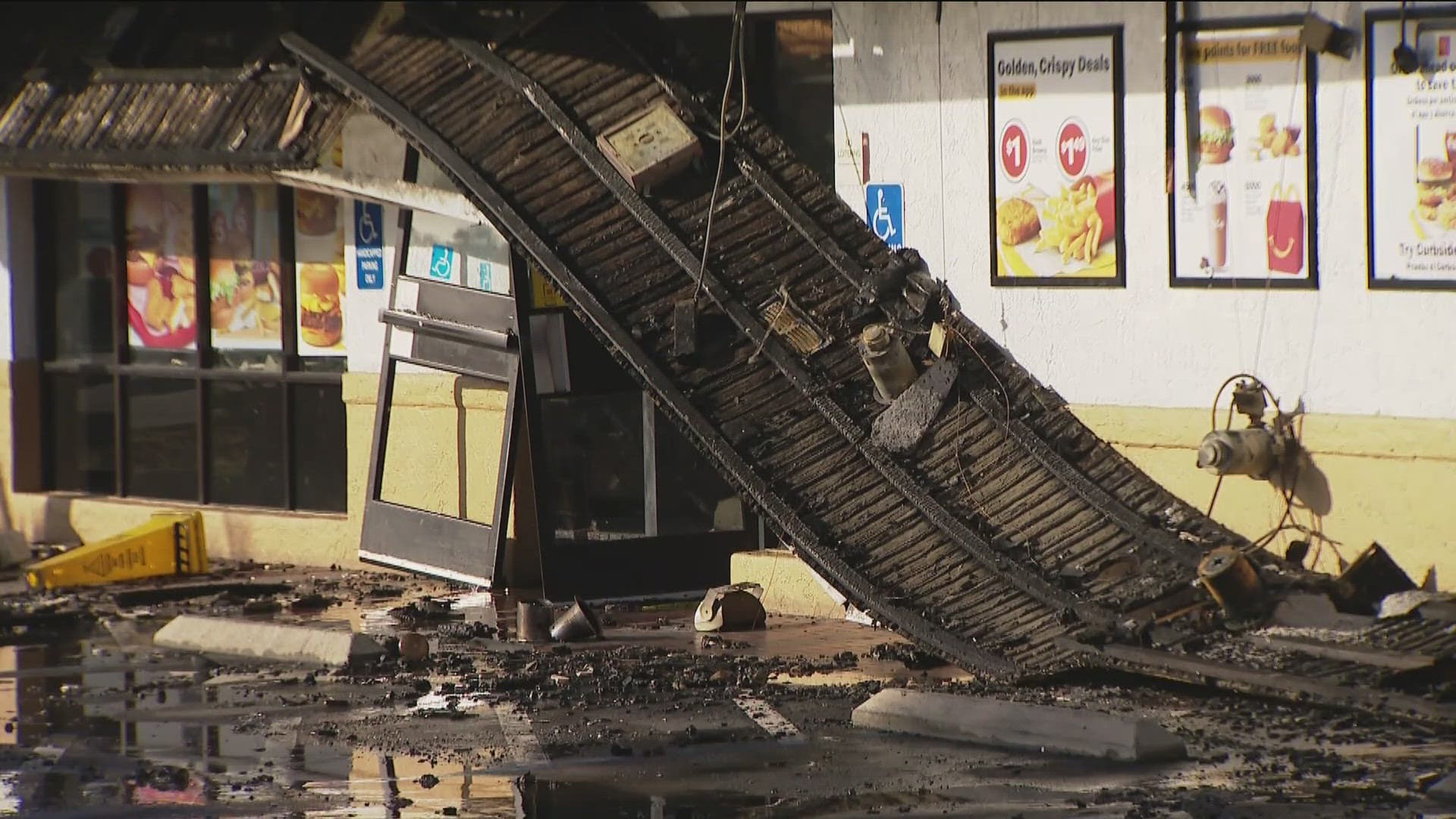
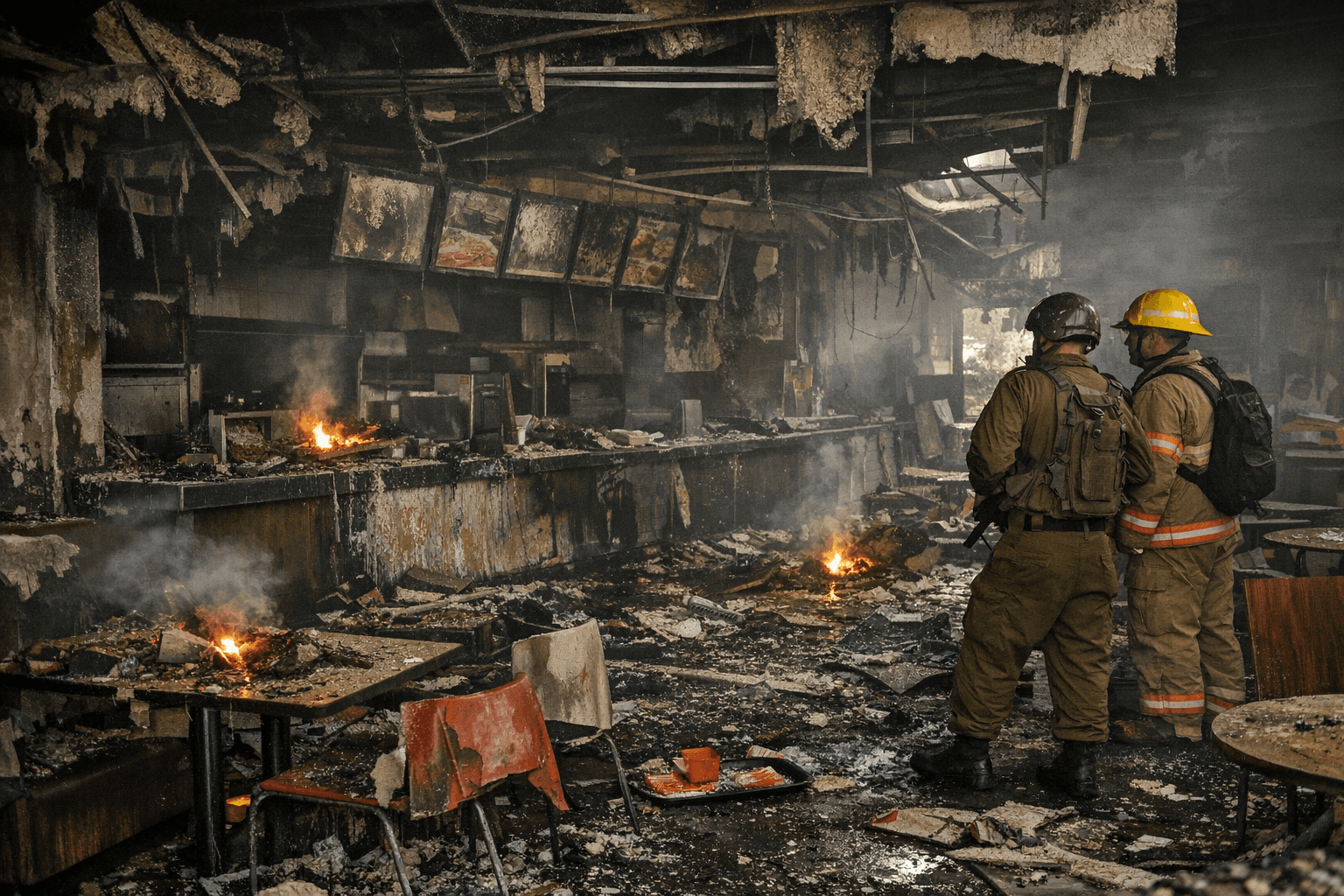
The images spread quickly across social media: a McDonald's dining room in Maayan Baruch, a small community in Israel's Upper Galilee near the Lebanese border, reduced to wreckage by Hezbollah rocket fire. Booths overturned, ceiling tiles collapsed, the restaurant's interior obliterated. No workers or customers were killed or seriously injured.
The strike on the Maayan Baruch location was part of a broader barrage on April 2 in which Hezbollah fired more than 50 rockets at communities across northern Israel, injuring two people lightly. The IDF struck Hezbollah rocket launchers in southern Lebanon used in the attacks. For the workers at what is now a fully corporate-owned McDonald's operation, the viral footage captures something that doesn't make most incident reports: what an ordinary shift looks like when it ends this way.
McDonald's Israel operates approximately 225 restaurants and employs more than 5,000 people. The company became fully corporate-owned in 2024 when McDonald's Corporation acquired Alonyal Limited, the local franchisee that had run the Israeli business for more than 30 years. That transition matters in the context of this attack: when a location suffers structural damage of this scale, it is now a corporate decision, not a local owner's call, about when the restaurant reopens, whether affected staff are kept on payroll, and what support is extended to workers whose workplace was destroyed.
Crisis protocols in Israeli commercial food-service operations are shaped by the country's civil defense infrastructure. Most commercial buildings, including fast-food restaurants, are required to have fortified safe rooms, and sirens provide warning windows that vary by proximity to the border. Maayan Baruch sits deep in the Upper Galilee, where warning times can be measured in seconds rather than minutes. Whether the restaurant was staffed and open at the time of the strike has not been publicly confirmed.
In conflict-affected markets, real-time safety decisions typically fall to whoever is managing the floor. That means the shift manager on duty is often the first decision-maker: the person directing crew to a safe room, calling an evacuation, or holding position while waiting for an all-clear. Corporate crisis playbooks arrive after the fact. The gap between those two timelines is where workers are most exposed.
The Maayan Baruch incident also raises a structural question that McDonald's Israel's corporate conversion did not resolve: who is responsible for a damaged location's workforce during closure? Under franchise arrangements, displaced employees often face ambiguity around pay continuity and reassignment. Corporate ownership creates clearer accountability, but only if those policies are enacted visibly and fast.
No reopening timeline for the Maayan Baruch restaurant has been announced. McDonald's has not issued a public statement on the status of the location's staff. The gutted dining room in that viral footage is somebody's workplace, and the question of what comes next for the people who worked in it deserves the same attention as the footage itself.
Know something we missed? Have a correction or additional information?
Submit a Tip