High gas prices threaten McDonald’s traffic, labor scheduling and retention
A $1 gas-price jump has been tied to six fewer drive-thru customers a day, putting McDonald’s labor schedules, speed targets and retention under pressure.
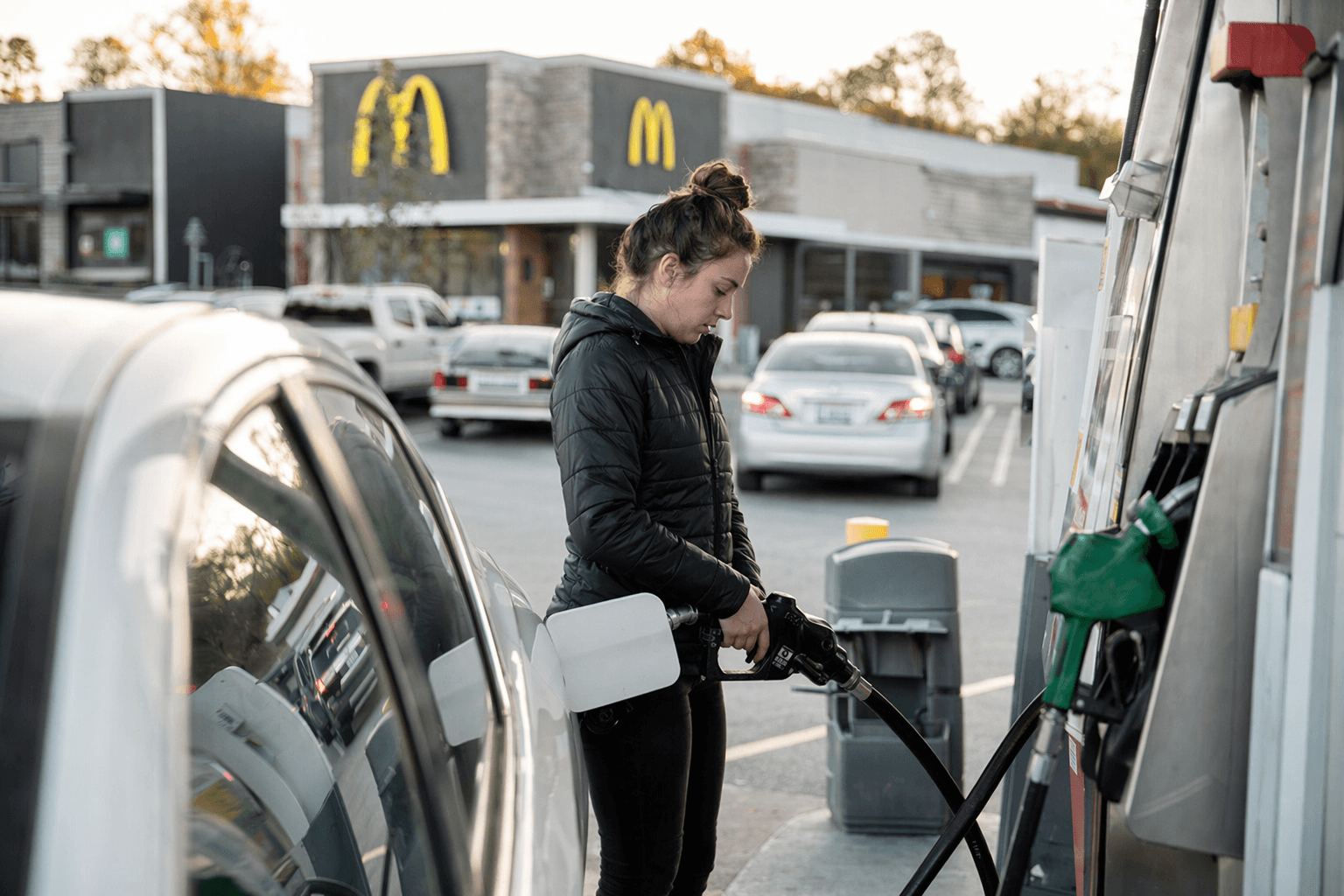
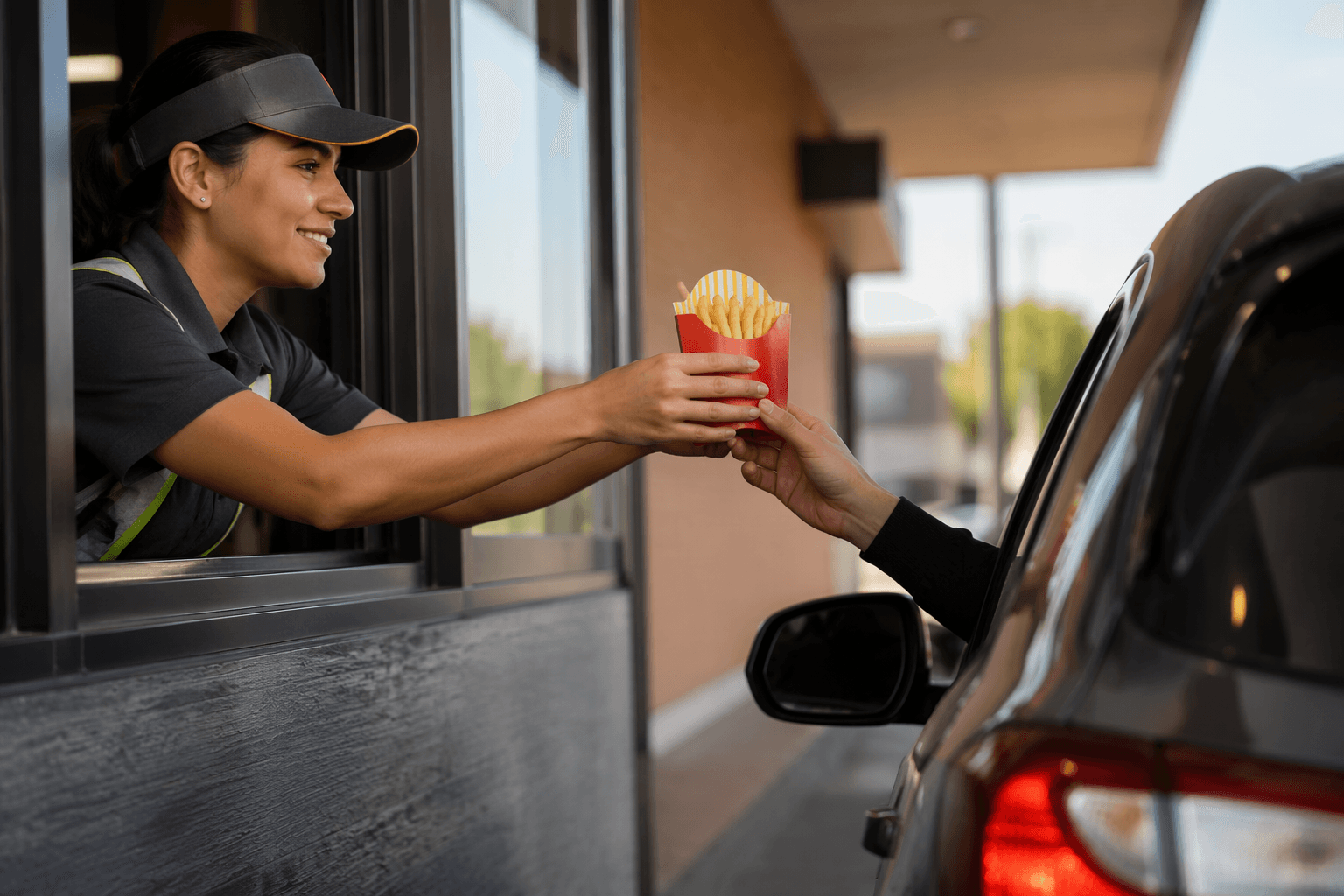
High fuel costs were already showing up where McDonald’s crews feel them first: in the drive-thru lane, on the labor board and in the pressure to make value feel real. Revenue Management Solutions data showed that a $1 increase in gas prices translated to six fewer drive-thru customers per day, a sharp reminder that even a modest pump shock can change the number of cars a shift manager is trying to clear.
That matters at McDonald’s because the chain is built on convenience, speed and repeat visits. When gas gets more expensive, customers tend to consolidate trips, skip discretionary stops and time their visits around errands they are already making. For a store, that can mean a lunch rush that is thinner than expected, a late-afternoon lull that arrives faster than planned, or a breakfast period that becomes more price-sensitive as commuters watch every dollar.
The effect goes beyond customer traffic. Lower or less predictable volume changes how managers schedule labor at the front counter, on the line, at the window and in the dining room. If traffic softens, operators can get squeezed into protecting labor costs without letting service slide. If traffic spikes around a narrow window, the crew has to move faster with the same staffing intensity. Either way, speed-of-service targets become harder to hit, and the gap between McDonald’s value message and the customer’s actual experience gets wider if the store is short-handed or backed up.
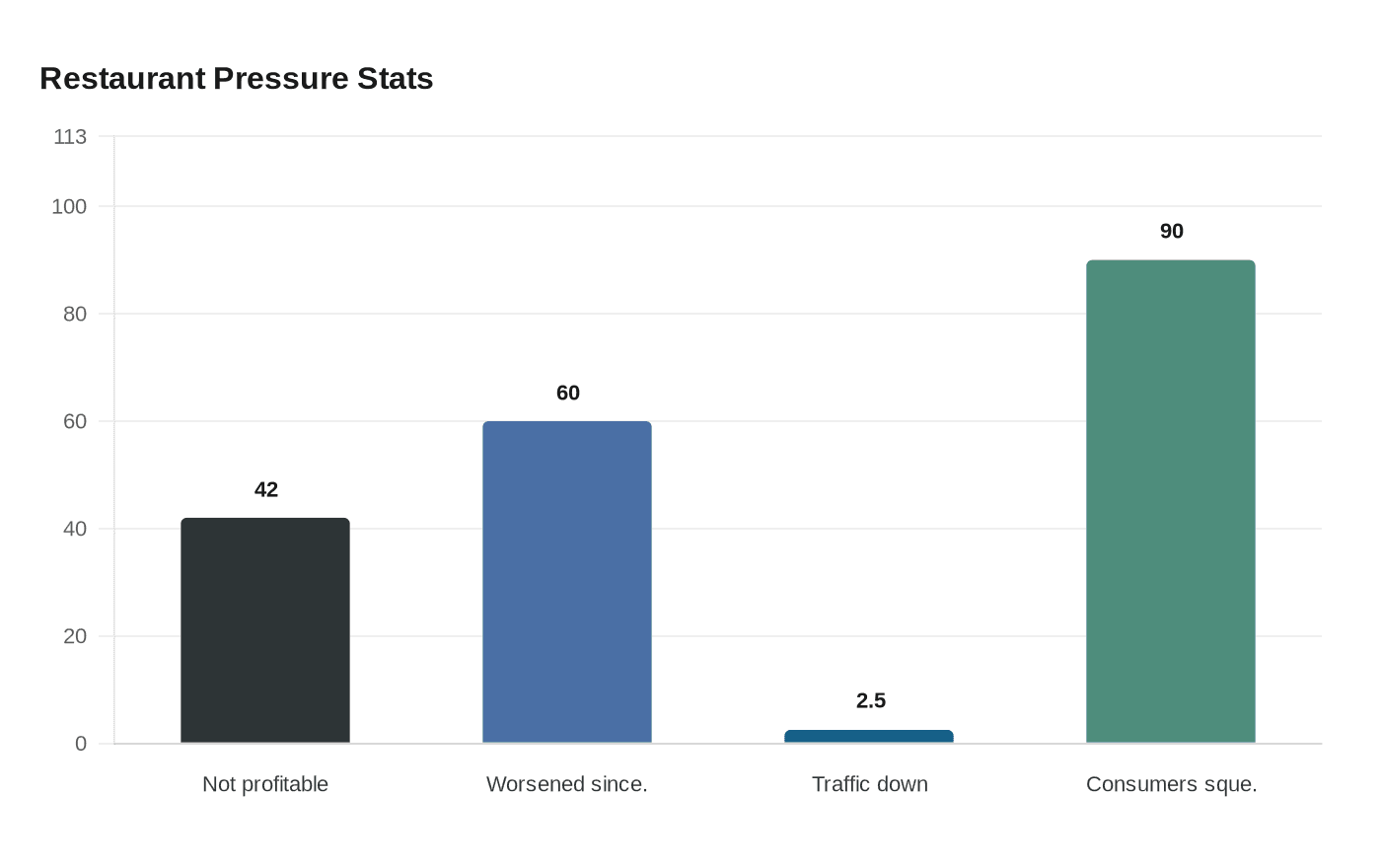
The broader restaurant backdrop was already fragile. Industry data cited in March showed 42% of operators were not profitable in 2025, while 60% said business conditions had deteriorated since 2024. Traffic at the start of 2026 was down nearly 2.5% year over year. With gas prices up about 50 cents since the end of February, nearly 90% of consumers were feeling the squeeze, and Technomic estimated that every 50-cent increase in gas prices carried a $68 billion hit to consumer spending.
For McDonald’s, that is not an abstract macro story. The company serves about 68 million people a day across roughly 44,000 locations, and much of that business is routed through franchisees who also have to cover crew commuting costs, delivery economics and day-to-day staffing turnover. The company’s new U.S. McValue menu, introduced April 2 with a sub-$3 item and a $4 breakfast meal deal, showed how aggressively it was leaning on value to keep traffic moving. The question for store teams was what showed up first: more price-sensitive guests, tighter operating controls, or a stronger push to sell faster and hold onto every car in the lane.
This article was produced by Prism’s automated news system from verified source data, official records, and press releases, then run through automated quality and moderation checks before publishing. The system is built and supervised by the people who set the standards it runs under. Read our full AI policy.
Did this article answer your question?