McCafé K-Cup Recall: Decaf Pods May Contain Caffeine, Crews and Franchisees Alerted
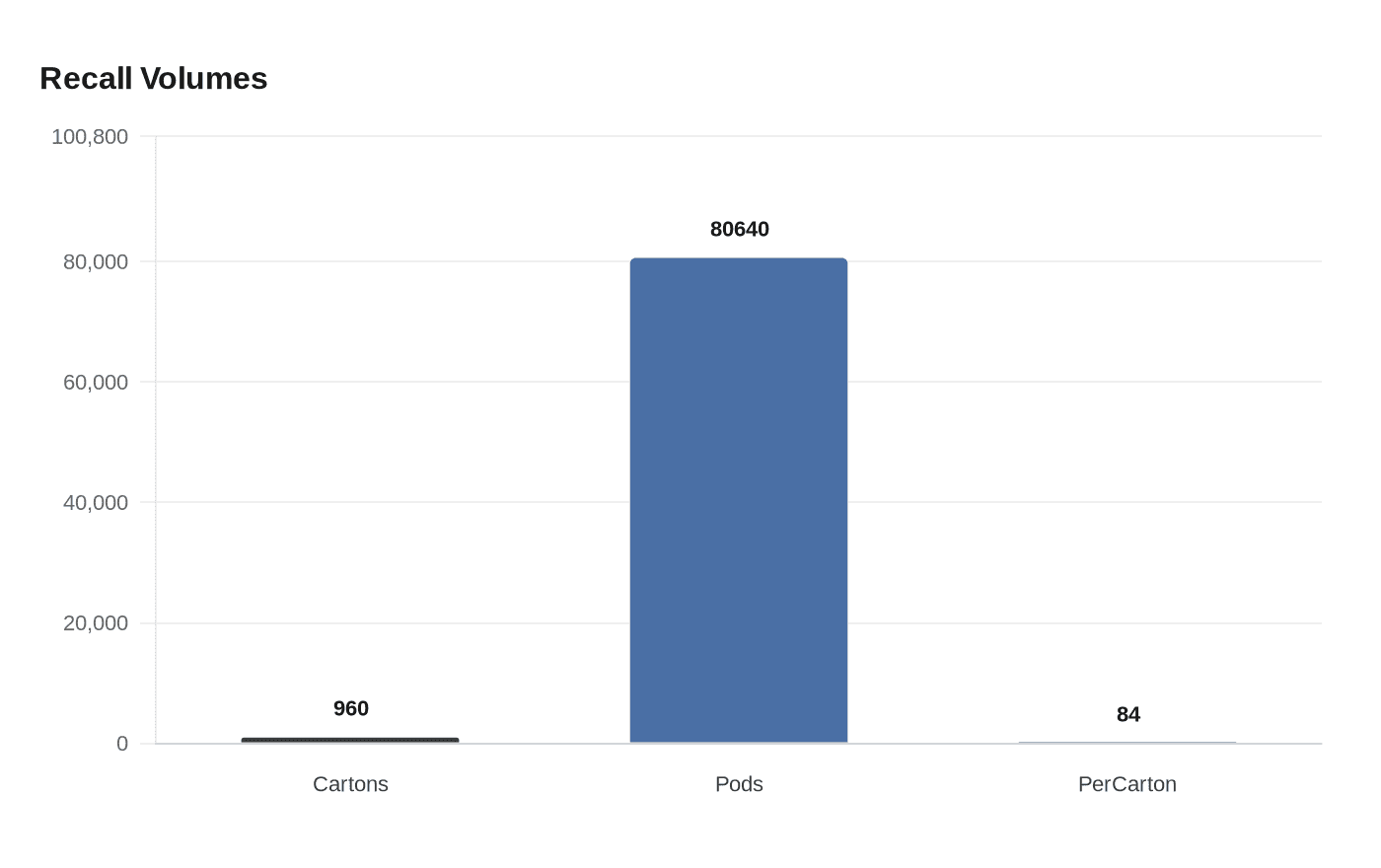
Keurig Dr Pepper recalled about 960 cartons (80,640 pods) of McCafé decaf K-Cups after some pods labeled decaf may contain caffeine, a risk for crew and customers who must avoid caffeine.

Keurig Dr Pepper on January 27 recalled roughly 960 cartons of McCafé Premium Roast Decaf K-Cup pods after discovering some pods labeled decaffeinated may actually contain regular caffeinated coffee. The Food and Drug Administration classified the recall as a Class II event, meaning use or exposure could cause temporary or medically reversible adverse health consequences for some consumers, such as people who must avoid caffeine for medical or pregnancy-related reasons.
The recalled item is sold in 84-count cartons with UPC 043000073438, batch number 5101564894, and a best-by date of Nov. 17, 2026. Keurig Dr Pepper estimates the voluntary recall affects 960 cartons, equal to 80,640 individual pods. The product was sold in at least California, Indiana and Nevada and was largely distributed through a single retailer channel. Consumers who purchased an affected carton were notified as part of the recall notice.
Although the K-Cups are packaged for at-home use and produced by Keurig Dr Pepper rather than by McDonald’s restaurants, the pods carry the McCafé brand, creating a brand-management and customer-service issue for franchisees and corporate teams. Crew members and store managers may receive questions from customers concerned about caffeine exposure or confused about whether in-restaurant McCafé beverages are affected. Local franchisees who negotiate McCafé branding, retail partnerships, or merchandising should be prepared to address inquiries and escalate them appropriately.
Operational guidance for restaurants is straightforward: confirm whether an individual restaurant or franchisee had any of the specific 84-count cartons in inventory and, if so, follow the recall instructions from Keurig Dr Pepper for disposal or return. Crew should avoid speculating about the cause of the mislabeling or the supply-chain details that produced the error. Direct customer questions about the recall to corporate communications or to Keurig’s recall contact channels, and provide factual information only about the UPC, batch number and best-by date if customers ask how to check their at-home purchases.
For shift supervisors and general managers, this recall is a reminder that brand licensing extends staff responsibilities beyond the front counter. Training should emphasize how to answer basic customer questions, where to send more technical inquiries, and how to log or escalate any recurring concerns reported by customers. Franchisees may also want to monitor further communications from McDonald’s corporate and Keurig Dr Pepper for updates.
The recall is limited in scale but meaningful for crew safety messaging and brand reputation; restaurants should proactively confirm inventory status, brief crews on the facts, and watch for follow-up notices as companies and regulators complete their checks.
Know something we missed? Have a correction or additional information?
Submit a Tip