McDonald's analyst views split as growth hopes meet margin concerns
Analyst calls split on McDonald's as upgrades meet trims, signaling more pressure on stores to push value, speed and digital sales without hurting margins.

McDonald's is getting mixed signals from Wall Street, and that usually means more pressure is headed for the restaurant floor. Recent analyst moves included upgrades and price-target increases alongside hold calls and at least one downgrade or trim, with market-tracking pages in April showing a consensus target in the mid-$340s and some estimates as high as $385.
For crew members and managers, that split matters because it points to the same demands showing up again and again: move faster, sell smarter and make value feel real without letting margins slip. When analysts lean bullish, the company tends to lean harder on traffic drivers such as menu innovation, digital engagement and operational execution. When they turn cautious, the focus usually shifts to labor efficiency, waste control and protecting the average check. Either way, the pressure lands in the restaurant.
The company has given Wall Street plenty to debate. In 2024, McDonald's said global systemwide sales topped $130 billion, systemwide sales to loyalty members came to about $30 billion, and 90-day active loyalty users exceeded 175 million across 60 loyalty markets. It also said it reclaimed leadership in value and affordability with offers such as the $5 Meal Deal in the United States, McSmart in Germany and France, and McValue in Canada, while Best Burger rolled out to more than 80 markets.
Those numbers help explain why analysts keep circling the brand. McDonald's has set a target of 50,000 restaurants by 2027, 250 million 90-day active loyalty users by 2027 and $45 billion in annual systemwide sales to loyalty members by 2027. That growth story depends heavily on whether value items can keep pulling customers in without dragging down profitability, a balance that gets tested every time a franchise owner has to choose between speed, staffing and promotion execution.
The cost side is just as important. A March 2026 market note said McDonald's expects U.S. beef inflation to exceed 10% in 2026, with the company sourcing about 670 million pounds annually. That kind of input-cost pressure helps explain why even positive analyst commentary can still come with caution. Investors may like the brand's traffic potential, but they are still watching whether menu pricing, digital sales and labor control can offset inflation.
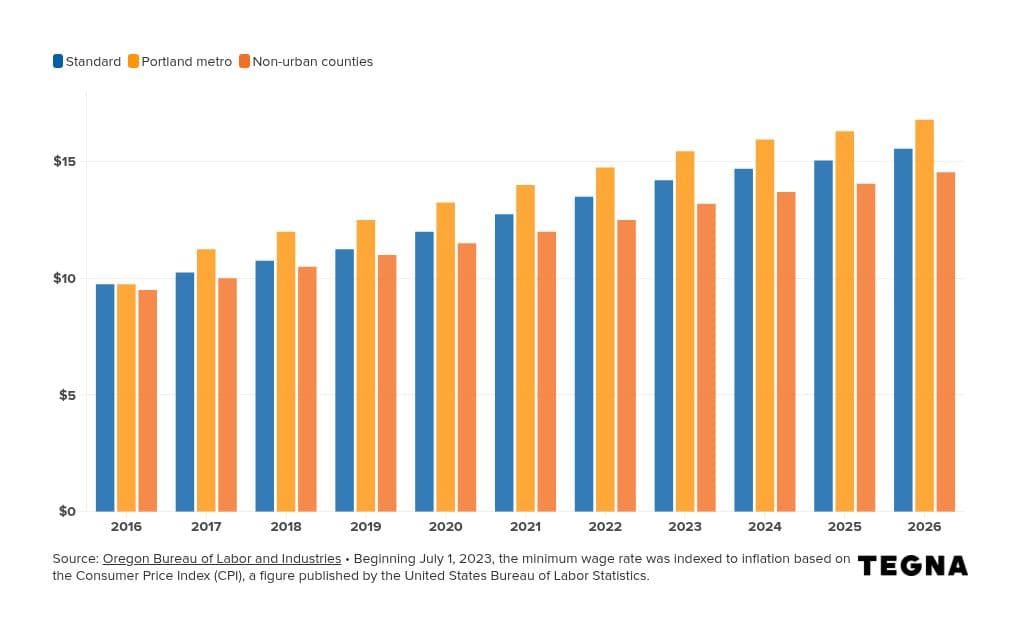
For hourly workers, the takeaway is straightforward. A bullish analyst note can mean more promotions, more emphasis on bundles and beverages, and more pressure to make every visit feel worth the price. A skeptical one can bring tighter labor expectations and closer scrutiny of speed, waste and sales mix. In a business still shaped by the Fight for $15 era and the push for higher wages, that can translate into another round of tougher execution demands, even when the stock picture looks constructive.
This article was produced by Prism’s automated news system from verified source data, official records, and press releases, then run through automated quality and moderation checks before publishing. The system is built and supervised by the people who set the standards it runs under. Read our full AI policy.
Did this article answer your question?