McDonald's Big Arch Burger Sparks Customer Backlash, CEO Video Goes Viral
CEO Kempczinski's tiny nibble of the Big Arch racked up 11 million Instagram views; now crews are absorbing the customer backlash over price and salt.
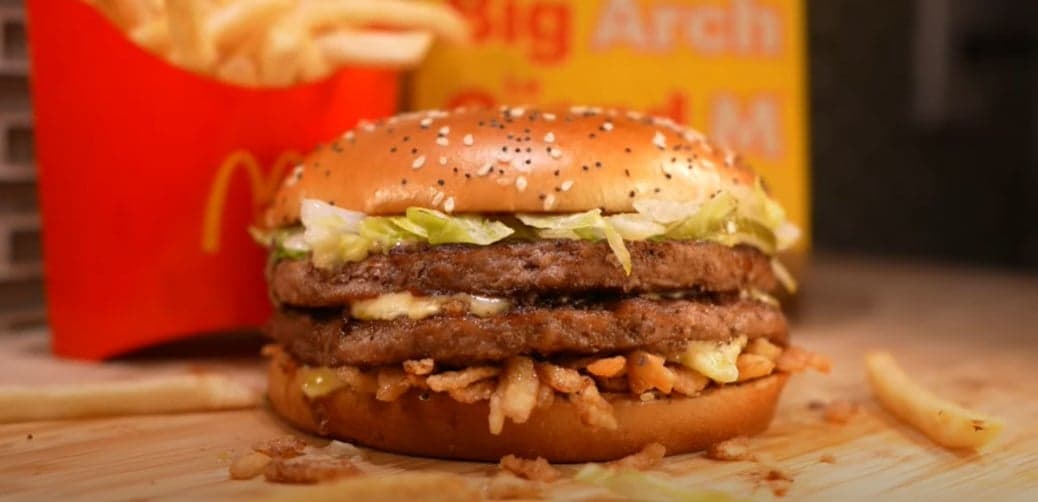
When Chris Kempczinski opened the Big Arch box on camera, said "Holy cow," declared "I love this product, it is so good," and then barely grazed the bun with his teeth, he handed the internet exactly what it needed. That single Instagram post, uploaded February 3, reached nearly 11 million views — and the memes, the mockery, and the rival executives it inspired are now walking through the front door of every McDonald's in the country.
The Big Arch launched in U.S. restaurants on March 3, following successful tests in Canada and Europe, built around two quarter-pound patties, three slices of cheese, and 1,020 calories. Kempczinski, a slim marathon-running executive, repeatedly referred to the towering sandwich as a "product" rather than food, and the disconnect was not lost on viewers. Burger King president Tom Curtis posted his own video eating a Whopper in direct response. One advertising consultancy estimated the episode generated $18 million in brand value for McDonald's. Kempczinski's follower count grew 30% in the weeks after the clip took off.
The viral halo is real. The operational hangover is also real.
The Big Arch sells for around $9 in many locations, and the pushback on that price has been intense online. "Almost 10 dollars for a McDs burger is an absolute no no," one Reddit user wrote in a thread specifically about Big Arch pricing. On the subreddit r/McDonalds, early reviews were blunt: one person called it "the blandest thing I've ever tasted at McDonald's," while others described the signature sauce as too sweet, oddly thick, or essentially flavorless. A separate thread flagged too much salt. Restaurant traffic data from Placer.ai showed only a mild traffic boost from the launch — meaning curiosity drove some incremental visits, but the viral wave did not translate into a sustained surge.
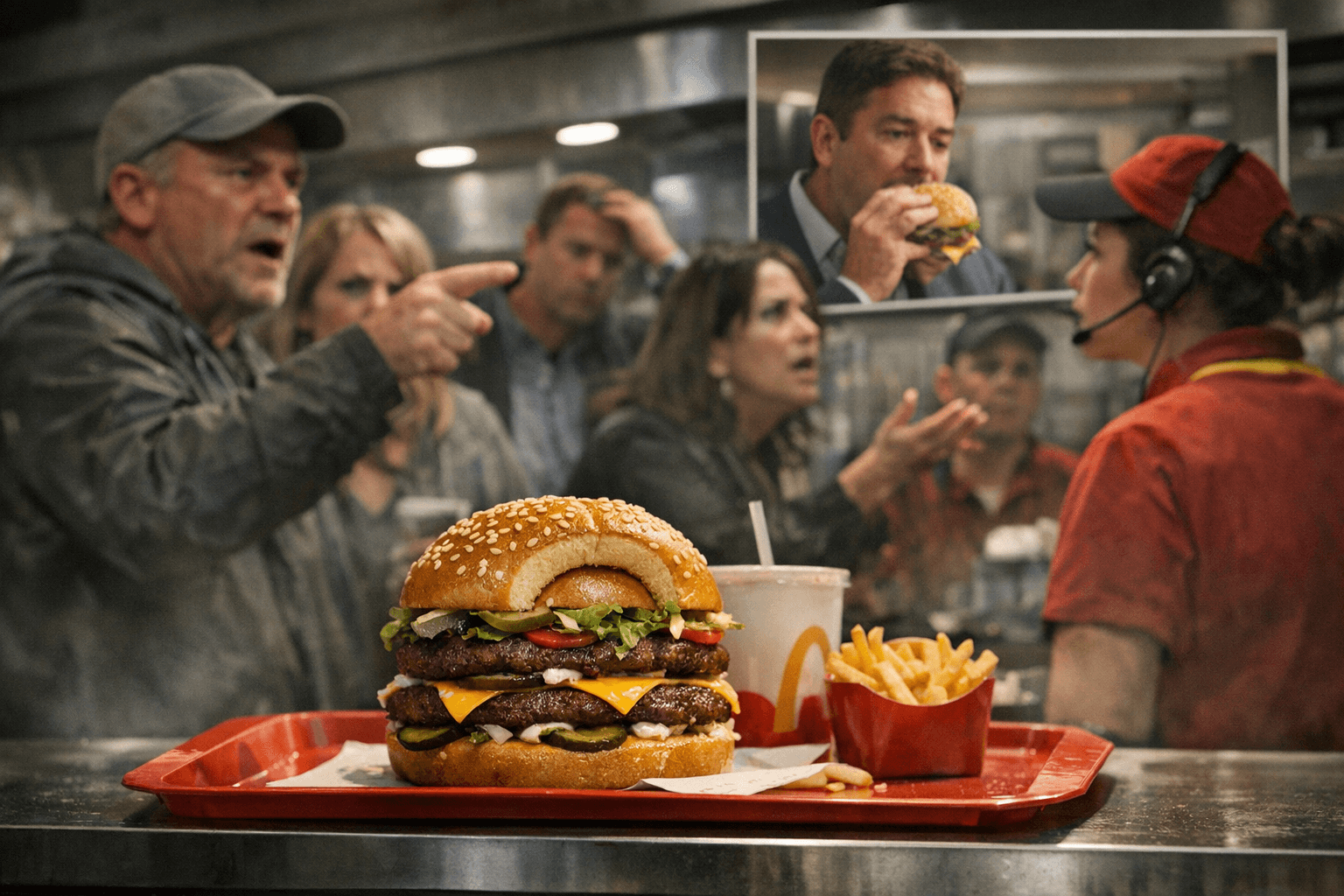
For crew and shift managers, that gap between hype and experience lands squarely on the service counter. When a customer comes in expecting a burger worth the internet fuss and walks away feeling the salt was off or the price was too high, the complaint doesn't go back to a marketing team: it goes to whoever is standing at register one. Refund requests and remakes on a two-patty sandwich with a specific sauce and stacking sequence cost time in ways that a Big Mac complaint does not. The Big Arch's assembly steps are more involved than most menu items, and any inconsistency, whether in sauce volume, salt calibration, or patty weight, shows up immediately against elevated customer expectations.
Managers who got ahead of the launch ran brief refresher drills on assembly sequence and used early shifts to sample and quality-check the product before peak hours. Keeping station prep tight on components specific to the Big Arch, and briefing crew on how to handle price objections and escalate refund requests cleanly, reduced the per-complaint time cost during the curiosity spike. Tracking the specific complaints that repeat by shift, whether salt, sauce, or value, and routing that feedback to operator support teams gives McDonald's an actual mechanism to fix the product issues driving the noise, rather than absorbing the same complaint cycle indefinitely.
Kempczinski's fumble was worth millions in earned media. What it cost in crew stress and service friction is harder to put a number on.
This article was produced by Prism’s automated news system from verified source data, official records, and press releases, then run through automated quality and moderation checks before publishing. The system is built and supervised by the people who set the standards it runs under. Read our full AI policy.
Did this article answer your question?