McDonald’s Employee AMA Reveals Frontline Practices, Staffing, Benefits and Promotions
A McDonald's employee AMA on Jan. 15, 2026 gave a detailed frontline snapshot of shift routines, informal food practices, staffing tactics and how app promos affect service.
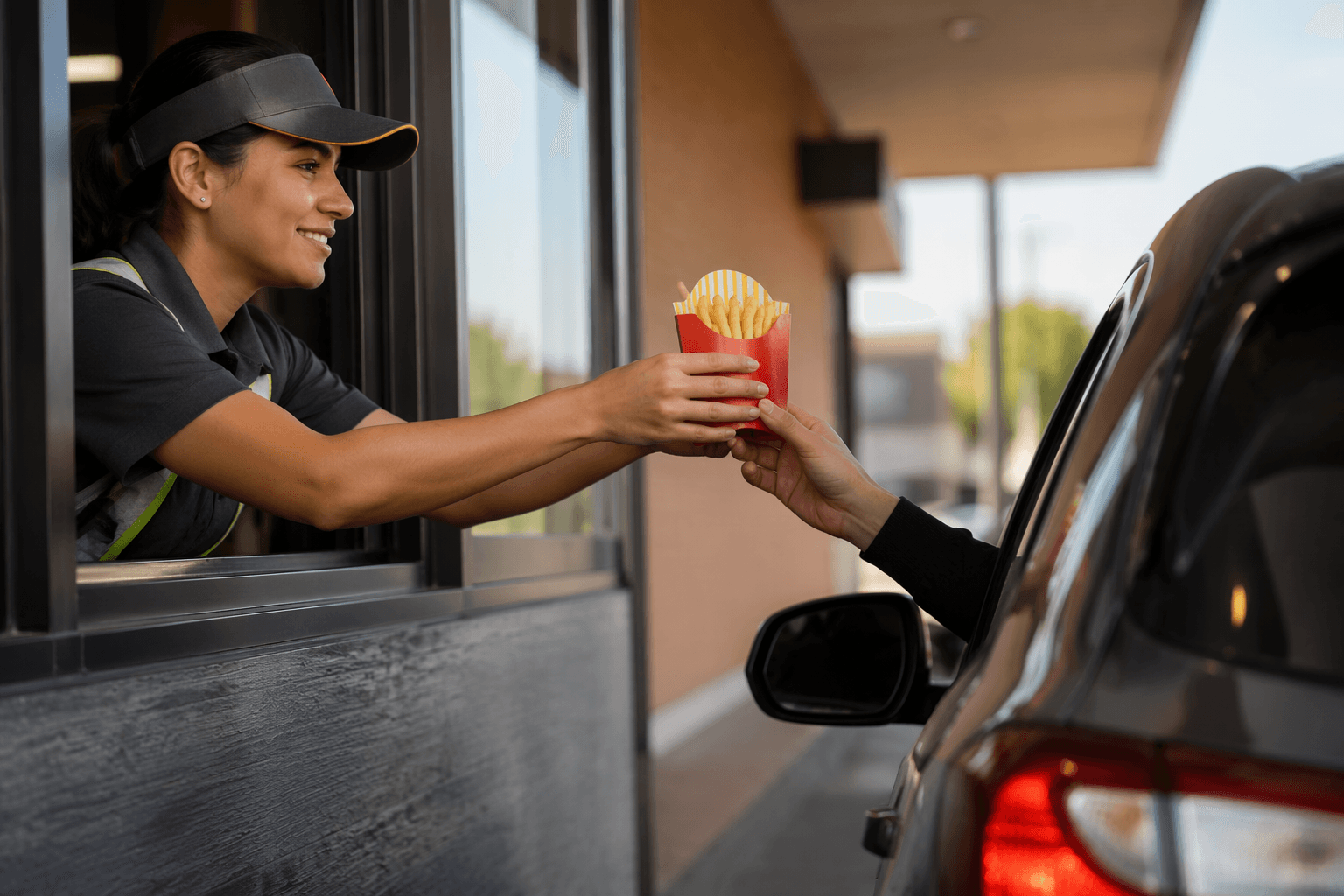
A McDonald’s crew member opened an Ask Me Anything thread that revealed day-to-day realities on the line, offering a window into how national policies and corporate promotions play out at store level. The post, shared on Jan. 15, 2026, documented common shift rhythms, benefits such as a free meal while on shift and uniforms, and described how training and managerial discretion shape working conditions.
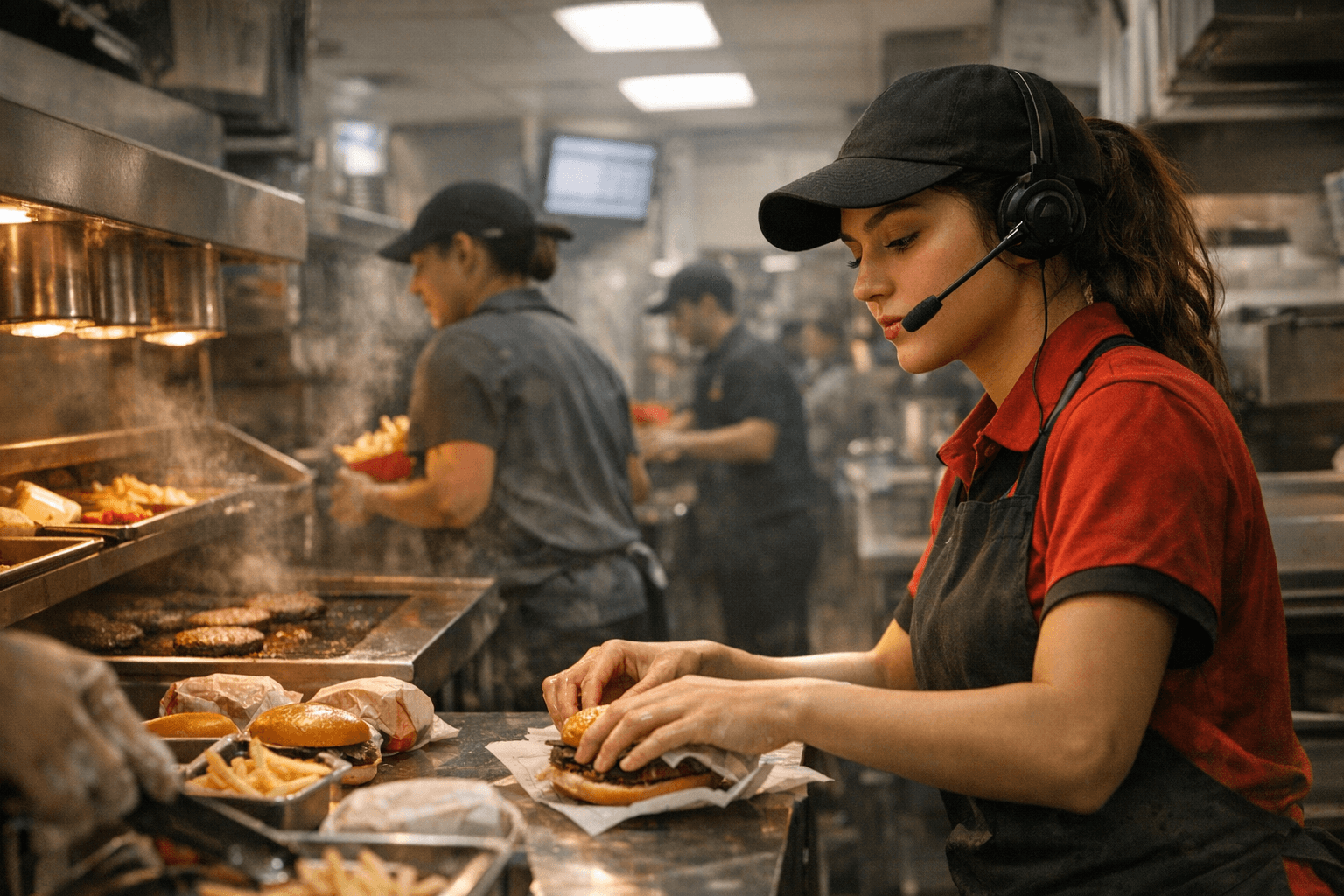
Readers learned that shifts are structured around predictable peaks - morning breakfast and the evening drive-thru rush - with staffing decisions often made on the fly. Managers adjust break schedules and reassign crew between front-of-house and back-of-house to keep the line moving. The AMA described how stores cope on peak days by calling in extra staff or stretching existing crews, decisions that influence speed of service and worker fatigue.
The thread also covered informal practices around food handling and portioning that employees adopt to meet demand. These on-the-ground adaptations include small, practical shortcuts not outlined in corporate manuals. While such practices help restaurants hit time targets during busy periods, they also raise questions about consistency, food safety and whether ad hoc habits are symptoms of understaffing.
Comments in the AMA addressed app promotions and pricing, highlighting tension between digital marketing and kitchen capacity. App-driven traffic spikes were reported to create unpredictable surges that complicate labor planning; workers said promotions can change the mix of orders and increase pressure on fryers and assembly stations. That creates a frontline tradeoff between supporting corporate sales initiatives and maintaining a sustainable pace of work for crew members.
Training experiences came through as another common theme. New hires received on-the-job coaching, with local trainers and shift leads responsible for teaching both company-standard procedures and the station-specific tricks that veteran crew rely on. This localized training model gives managers discretion to shape workflows, uniforms and minor benefit practices to fit neighborhood needs, but it also produces uneven experiences across different stores.
The AMA surfaced broader morale and safety undercurrents. Workers used the space to signal concerns about long rushes, split shifts and the physical toll of repeating tasks during sustained busy periods. Those qualitative signals are valuable for understanding how national policy changes, corporate promotion strategies and scheduling systems filter down into daily pressure on crew members.
For employees and advocates, the thread underscores the importance of store-level detail: what works in corporate guidelines often meets pragmatic adjustments on the floor. For managers and corporate planners, the lesson is that app promotions and scheduling algorithms need to account for the human limits of a shift. Going forward, sustained two-way communication between head office and crew could help align promotional tactics with staffing realities and reduce pressure on frontline workers.
This article was produced by Prism’s automated news system from verified source data, official records, and press releases, then run through automated quality and moderation checks before publishing. The system is built and supervised by the people who set the standards it runs under. Read our full AI policy.
Did this article answer your question?