McDonald's Expands Decade-Long Partnership With Esker to Automate Supplier Invoicing
After more than a decade, McDonald's invoice automation with Esker is changing what franchise accounting staff actually do: less manual entry, more exception handling and vendor disputes.
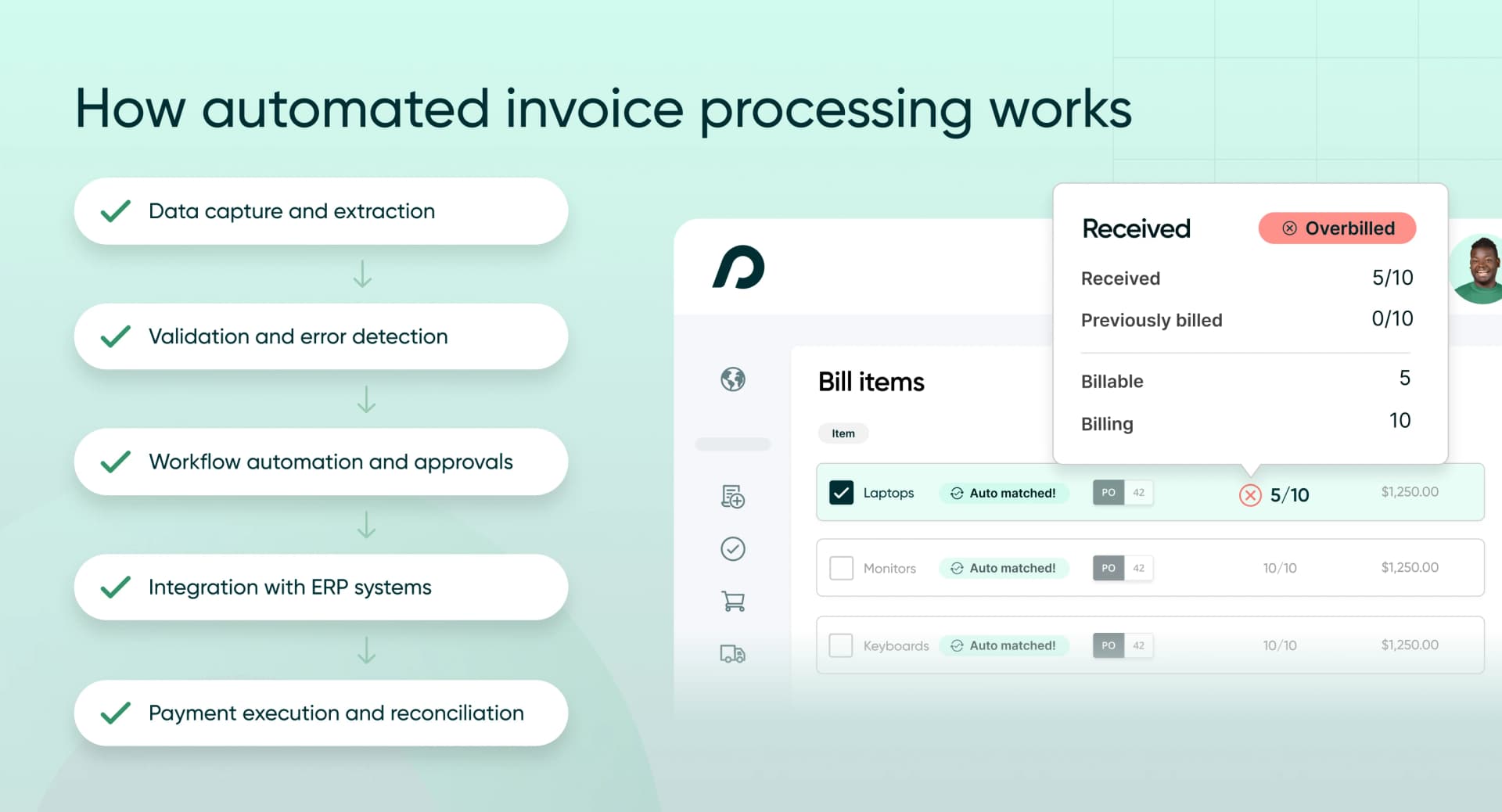
Every misbilled produce invoice that a franchise accounting team has manually reconciled, chased, or escalated represents exactly the friction McDonald's central finance operation moved to reduce. The company deepened its partnership with Esker, a global document automation and accounts-payable vendor it has worked with for more than a decade, deploying cloud-based automation that routes supplier invoices through approval workflows, flags purchase-order mismatches, and eliminates the late-fee fire drills that once required manual intervention to resolve.
France's 2026 e-invoicing mandates provided one of the regulatory triggers for the expanded rollout. McDonald's central finance arm, referred to in vendor materials as McDonald's Force, needed automated, compliant invoice handling to meet those rules. The broader goal, however, is volume: processing high numbers of supplier invoices with fewer manual touch points across a franchise ecosystem that depends on consistent vendor payments.
For accounting staff who currently key in invoice line items, run duplicate checks, and manually reconcile delivery receipts against billed amounts, the automation redefines the job rather than eliminating it. Manual entry shrinks. Exception handling grows. When the Esker system flags an invoice because quantities don't reconcile, pricing deviates from contracted rates, or an approval stalls, a person still has to resolve it. That resolution requires supplier history, documentation review, and the kind of judgment that software surfaces but cannot apply. Training in exception-handling workflows, knowing who has authority to clear a mismatch, and understanding how to escalate a flagged invoice without letting a payment slip will define the new skill set for franchise accounting roles.
The payoff for the broader operation is real. Automated payables that clear on time reduce strained vendor relationships and, at the restaurant level, support more consistent ingredient and packaging deliveries. Franchise operators stand to see cleaner P&Ls and faster reimbursement cycles as the approval and matching process accelerates on the corporate side. Crews managing limited-time promotions, which depend on specific supplier deliveries arriving on schedule, benefit indirectly from a back office that is not chasing late payments.

The transition requires accuracy at the store level. Delivery notes and paper records become more critical during a system migration because exception resolution runs on documentation. A flagged invoice gets cleared faster when the receiving location can immediately produce a delivery confirmation.
Franchise employees who handle supplier relationships have three concrete questions to ask their operators now: whether invoice submission procedures change, who the escalation contact is when a payment is flagged or delayed, and whether a new vendor portal or scanning procedure applies at their location. McDonald's has not disclosed staffing impact figures from the Esker expansion, but a shift from high-volume manual entry toward monitored exception management reliably changes what franchise accounting roles require before it changes how many of them exist.
This article was produced by Prism’s automated news system from verified source data, official records, and press releases, then run through automated quality and moderation checks before publishing. The system is built and supervised by the people who set the standards it runs under. Read our full AI policy.
Did this article answer your question?