McDonald's fights to reclaim Extra Value Meal name amid trademark pushback
McDonald's is fighting to revive Extra Value Meal, and the trademark dispute could ripple through menu boards, app labels and crew scripts nationwide.
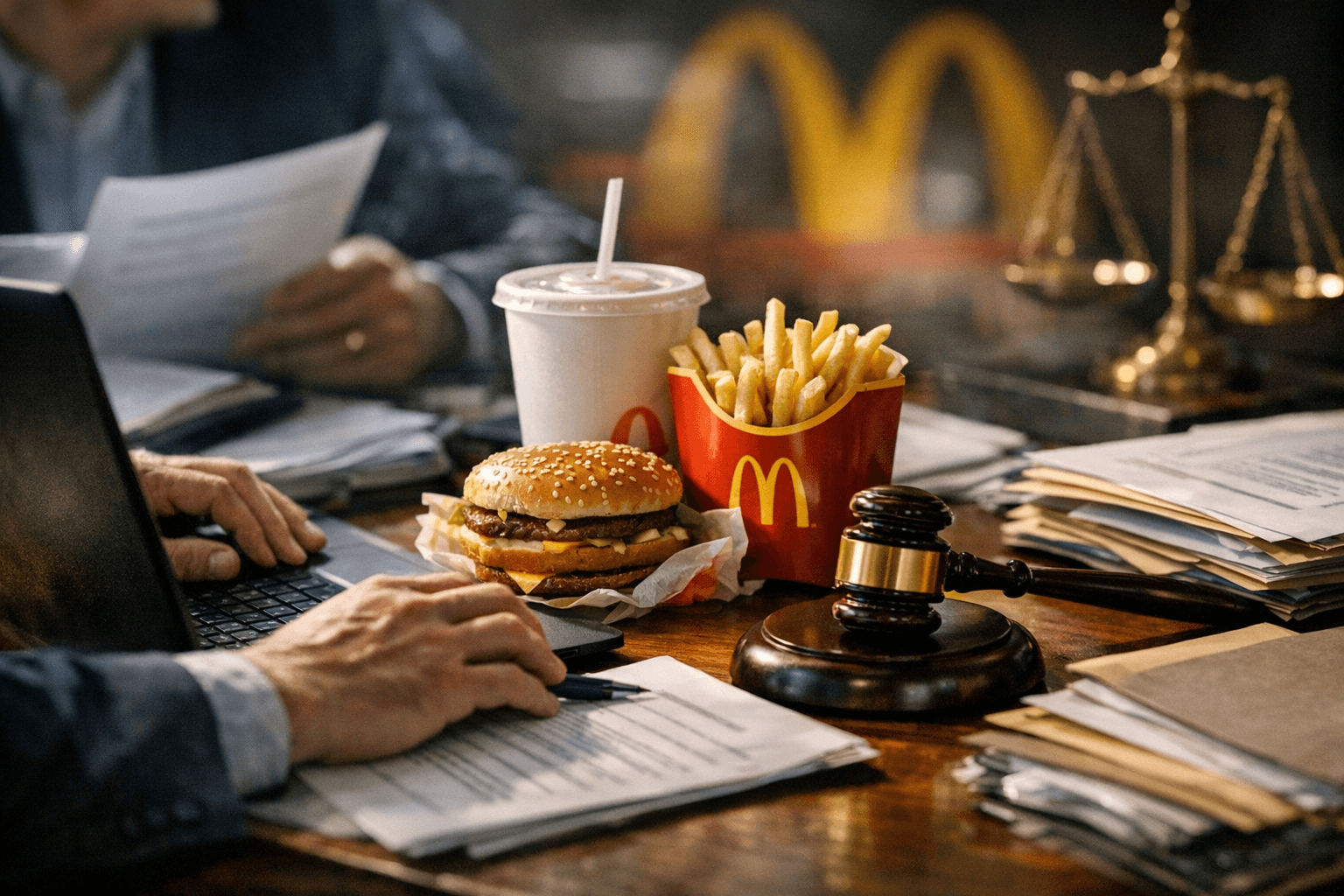
Extra Value Meal is back in the legal crosshairs, and for McDonald's the fight is about more than a name. The company’s bid to reclaim the phrase has hit another roadblock after the United States Patent and Trademark Office said the term is “merely descriptive,” a ruling that matters far beyond the trademark file for anyone working the line, the drive-thru or the front counter.
McDonald’s first introduced the Extra Value Meal concept in 1991 and secured federal trademark protection in 1994. But the company discontinued the promotion in 2019, and the registration later lapsed when renewal came due between late 2023 and 2024 because the mark was no longer in active commercial use. McDonald’s filed a new application in July 2025 and brought the bundle back in September 2025, pairing items such as burger and Chicken McNuggets meals with savings of roughly 15 percent.
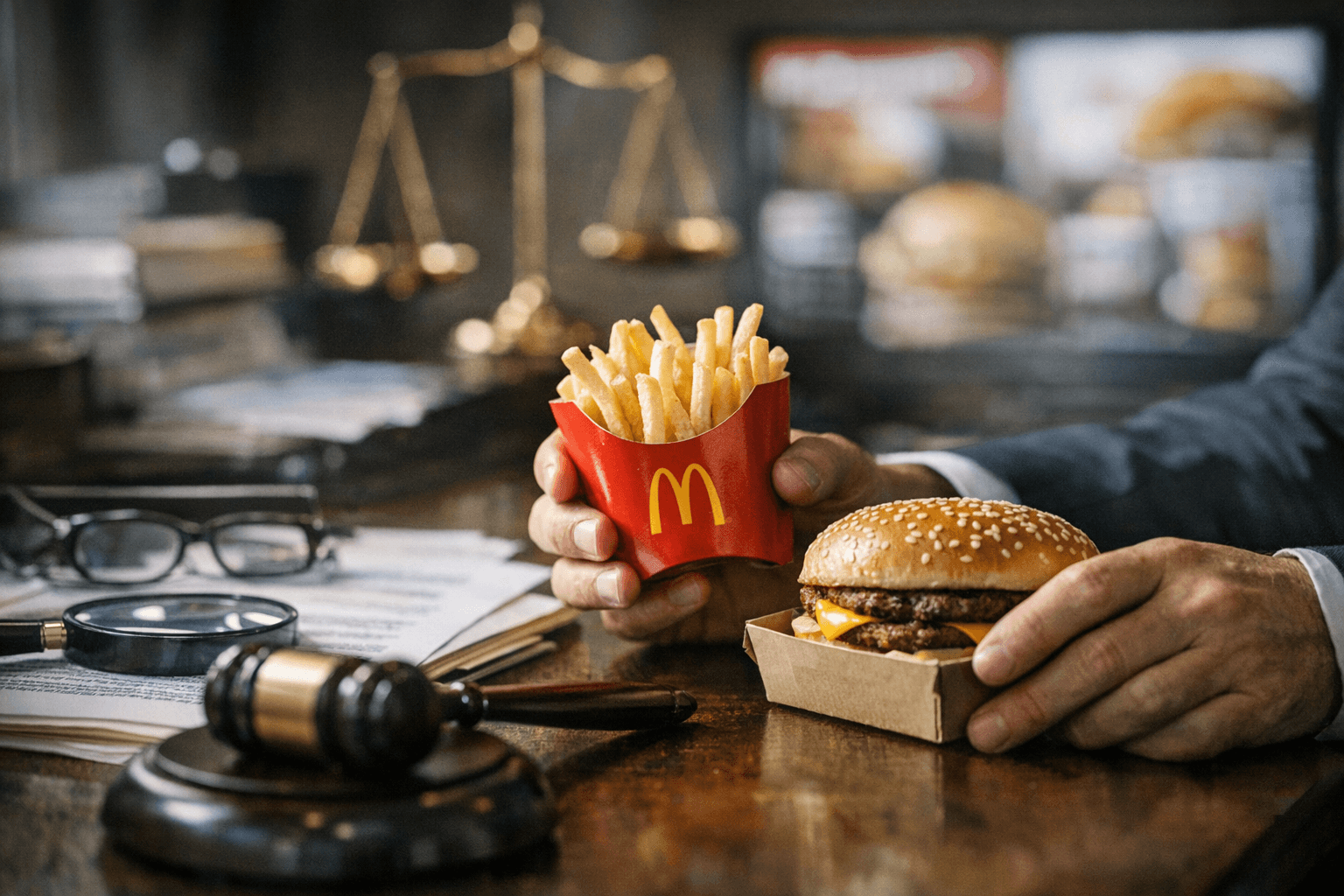
The April 14 refusal was the second time the agency rejected the filing, and it landed as McDonald’s was leaning hard back into value. The chain was also rolling out a new under-$3 menu and a $4 breakfast meal deal in April 2026, underscoring how central price messaging has become to its U.S. strategy. McDonald’s is arguing that decades of use and consumer recognition give the phrase acquired distinctiveness, while the relaunch drew national advertising and heavy media attention.
For stores, the fight is operational, not abstract. If McDonald’s cannot firmly lock down the Extra Value Meal name, franchisees may face more menu-board changes, more point-of-sale updates and more confusion when guests ask whether a promotion they saw online is the same one they saw last month. Crew members are the ones who have to translate the legal and marketing language into a clean answer at the register: what is included, what the price is, and whether the screen matches the sign. In a value-price war, that consistency becomes part of the product.
Trademark attorney Josh Gerben has called the sequence unusual for a company of McDonald’s size, noting that the filing process itself reflected a procedural misstep after the company initially used an intent-to-use application and had not yet amended it to reflect commercial use. For workers, though, the practical takeaway is simpler. When a menu is built around value, the wording on the board is not decoration. It is part of the operating system, and if customers do not trust the label, the front line pays the price.
This article was produced by Prism’s automated news system from verified source data, official records, and press releases, then run through automated quality and moderation checks before publishing. The system is built and supervised by the people who set the standards it runs under. Read our full AI policy.
Did this article answer your question?