McDonald's Franchise Model Means Pay and Benefits Vary by Location
Your McDonald's paycheck and benefits depend heavily on who owns your location, not just the golden arches above the door.
Walking into any McDonald's, the menu looks the same. The uniforms match. The procedures follow the same corporate playbook. But the employment experience, specifically what you earn, what benefits you receive, and how your schedule is managed, can vary considerably depending on a single factor most crew members never think to ask about: who actually signs your paycheck.
McDonald's runs the vast majority of its locations through an owner-operator franchise system. That means the person or company employing you is often an independent business owner who has licensed the McDonald's brand, not the corporation itself. McDonald's corporate-owned and operated locations, known internally as McOpCo restaurants, represent a smaller portion of the total footprint. Understanding the difference between these two structures is one of the most practical things any McDonald's employee can know.
The franchise model and what it means for workers
When McDonald's grants a franchise, the owner-operator gains the right to run a location under the McDonald's brand in exchange for fees and adherence to operational standards. That franchisee becomes your legal employer. They set wages, determine scheduling practices, choose which benefits to offer beyond any legal minimums, and make most day-to-day employment decisions within the boundaries McDonald's corporate establishes.
This structure is common across fast food, but McDonald's scale makes the variation especially significant. With thousands of franchise operators across the United States and around the world, the range of employment experiences under one brand name is wide. A franchisee running a handful of locations in a mid-sized city operates very differently from one managing dozens of restaurants across a major metro area, and both operate differently from a McOpCo location.
Pay differences across locations
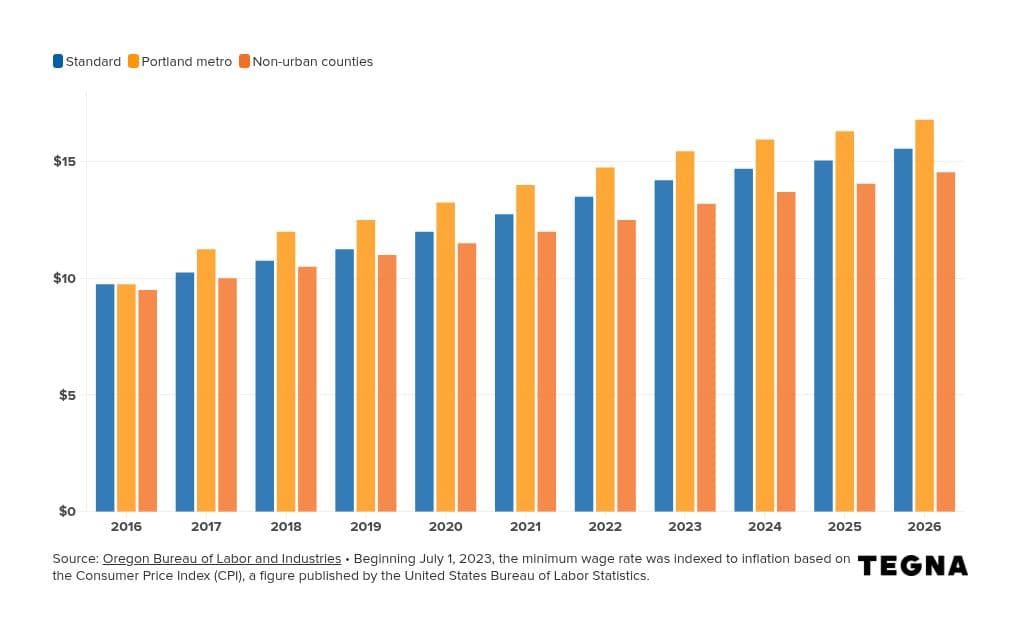
Hourly wages are among the most visible ways the franchise structure creates variation. State and local minimum wage laws set a floor, and both franchisees and McOpCo locations must comply with those laws. But above that floor, pay decisions diverge.
A McOpCo restaurant applies pay scales and policies set at the corporate level, which tend to be more standardized and sometimes reflect McDonald's commitments made in response to national wage conversations. Franchise operators set their own rates above the legal minimum, which means two McDonald's locations in the same city could post different starting wages depending on ownership. A franchisee in a tight labor market may offer more competitive rates to attract workers. Another in a different market may pay closer to the minimum. Neither is violating McDonald's rules as long as they meet baseline standards, but the worker experience is meaningfully different.
Benefits: where the gap can widen
Benefits illustrate the franchise divide even more sharply than wages. McOpCo employees typically have access to benefits programs administered at the corporate level, which can include health insurance options, paid time off policies, and other structured offerings. Franchise employees, by contrast, receive whatever their specific owner-operator chooses to provide.
Some larger franchise operators have built competitive benefits packages to retain staff and reduce turnover, which is a persistent cost in the quick-service industry. Smaller operators may offer more limited options, particularly for part-time workers who often do not qualify for benefits under federal rules. The result is that two crew members wearing identical uniforms and following identical service procedures may have very different access to health coverage or paid leave based solely on which version of McDonald's employs them.
Scheduling and workplace policies
The same variation applies to scheduling practices. Franchise owners manage their own labor costs and set their own policies around shift lengths, availability requirements, and how schedule changes are handled. Some operators use sophisticated workforce management tools and offer more predictable scheduling. Others manage schedules more informally, with more last-minute changes and less consistency week to week.
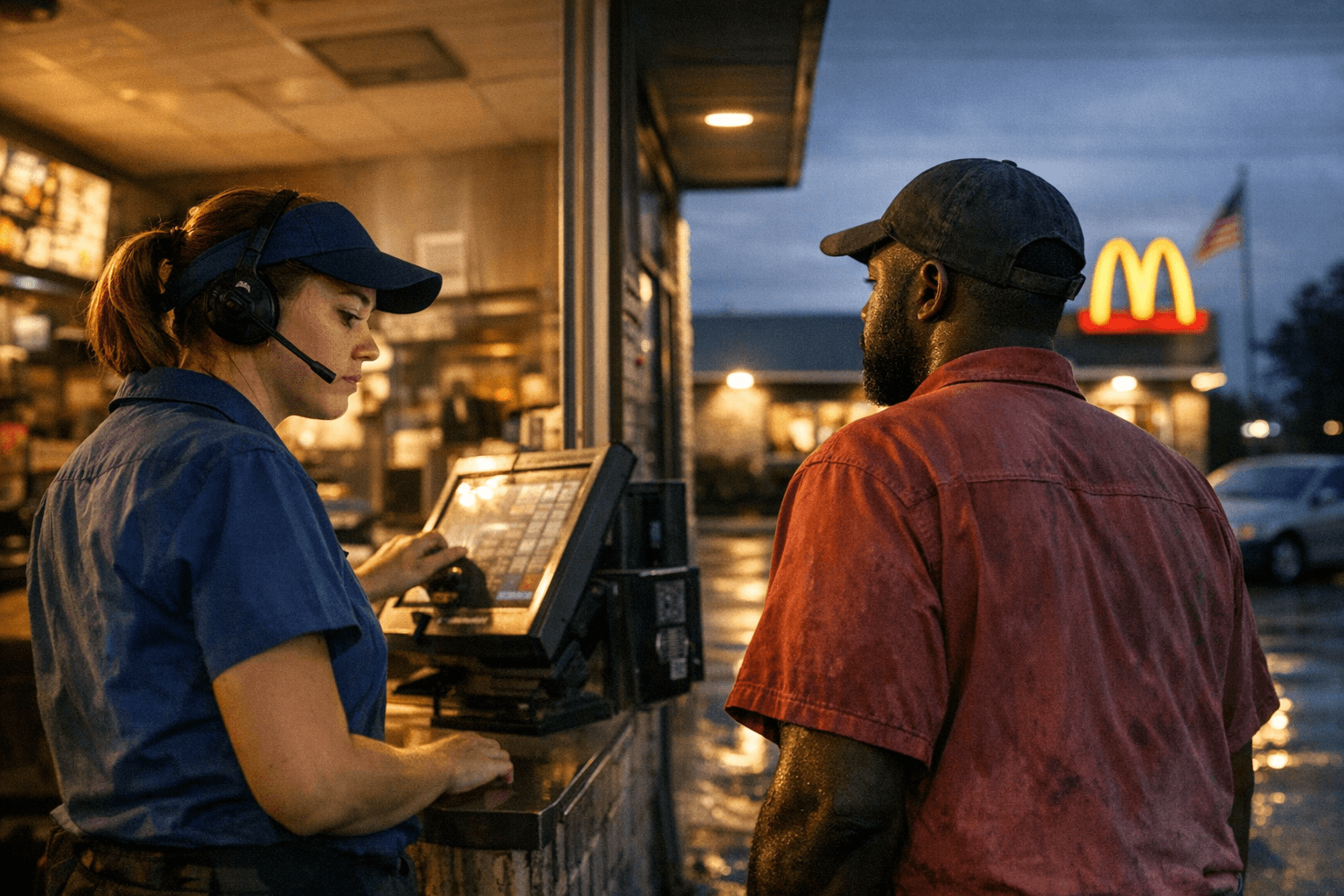
Workplace policies around issues like uniform allowances, break practices, and how HR concerns are escalated also reflect the franchise owner's choices. A McOpCo location routes employee relations issues through McDonald's corporate infrastructure. A franchise location routes them through the franchisee's own management structure, which can range from a professional HR function to the owner-operator directly.
How to find out which type of location you work at
If you are a current or prospective McDonald's employee and want to understand your specific employment situation, the most direct approach is to ask during hiring. Your offer letter and employment paperwork will name your legal employer. If the employer listed is McDonald's Corporation or a closely related corporate entity, you are likely at a McOpCo location. If the employer is a separate business name, an LLC or a family business name, for example, you are employed by a franchisee.
You can also check the McDonald's corporate website, which provides information about the company's structure, and review your pay stubs, which will show the legal entity cutting your checks.
What this means if you are job searching
If you are considering a job at McDonald's and care about specific pay rates or benefits, treating each location as a distinct employer rather than assuming uniformity across the brand is worth the effort. Before accepting a position, it makes sense to ask directly:
- What is the starting hourly wage and how are raises determined?
- What benefits are available, and when do they become accessible?
- How are schedules set and how much notice is given for shift changes?
- Who handles HR concerns if a workplace issue arises?
These questions will give you a clearer picture of what the job actually looks like at that specific location, regardless of what the brand as a whole may communicate about employee experience.
The broader picture
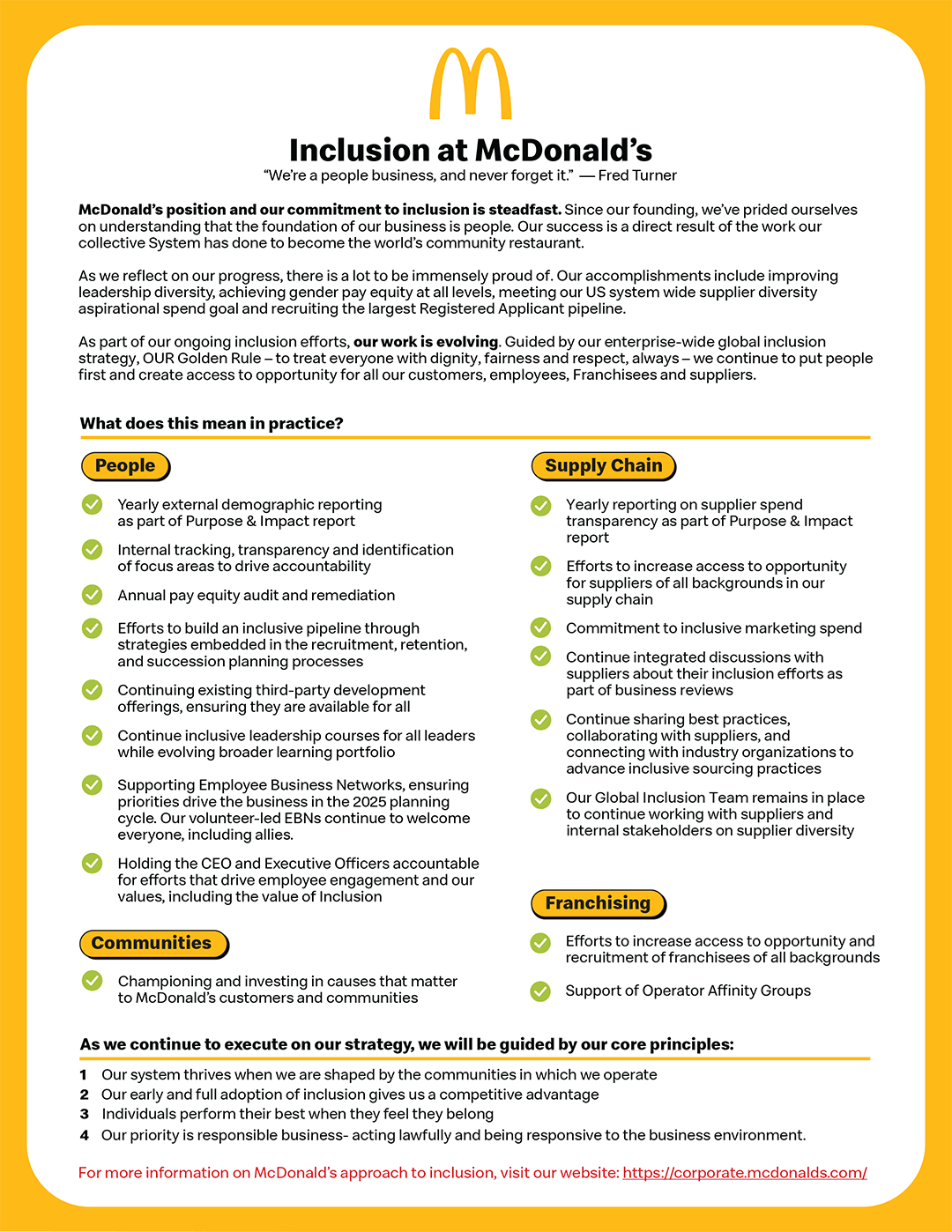
McDonald's has faced sustained public pressure over wages and working conditions for years, and the company has made various corporate-level commitments in response. But many of those commitments apply most directly to McOpCo locations. What filters down to the franchised majority of the system depends on individual operators and the standards McDonald's requires them to meet contractually.
For workers, this means the McDonald's brand is not a reliable proxy for a consistent employment experience. The same logo can cover a wide range of actual working conditions. Knowing the ownership structure of your specific location is the starting point for understanding what your employment relationship actually looks like and what you are entitled to ask for.
This article was produced by Prism’s automated news system from verified source data, official records, and press releases, then run through automated quality and moderation checks before publishing. The system is built and supervised by the people who set the standards it runs under. Read our full AI policy.
Did this article answer your question?