McDonald’s Manager AMA Details Frontline Workarounds and Training Gaps
A McDonald's manager posted a tips-and-AMA thread exposing common frontline workarounds and training gaps, highlighting operational fixes crew use during busy or short-staffed shifts.
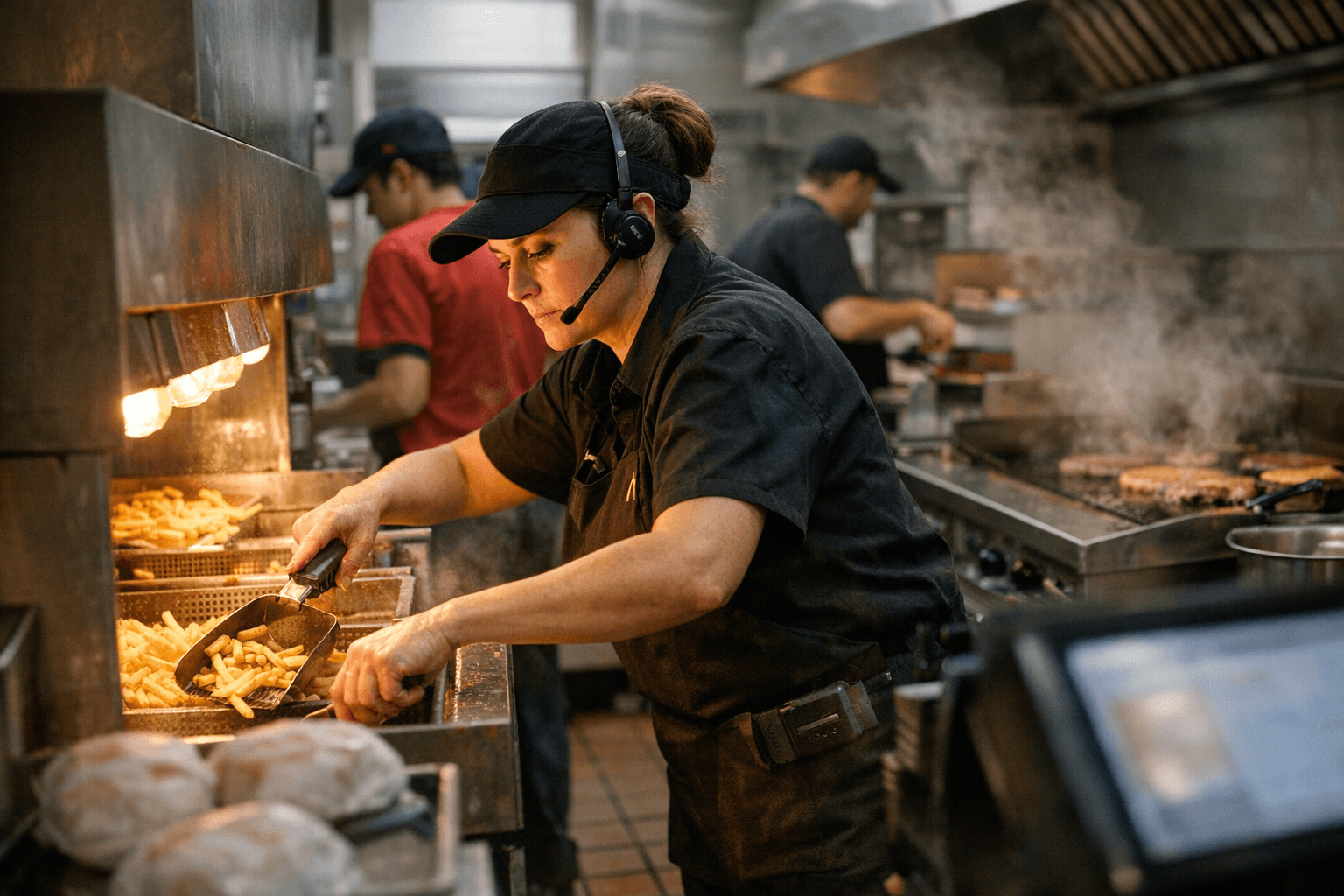
A McDonald's restaurant manager posted a tips-and-AMA thread on Jan 22, 2026 that laid out practical, on-the-floor solutions crews use when standard procedures and systems fall short. The thread covered how stores handle modifications, app and order workarounds, customer-service tips, and routine efficiency hacks, and it quickly drew responses and follow-up questions from other managers and crew members.
Those replies revealed recurring themes: managers routinely adapt corporate policies to keep service moving during rushes, point-of-sale hiccups, and short-staffed shifts; crew often rely on informal, peer-taught techniques rather than formal training; and many workers want clearer guidance or additional training from corporate. The conversation provided a real-time window into how store-level practices evolve to meet customer and operational demands.
The details in the thread were operational and practical. Contributors described methods for processing modified orders and reconciling app-driven transactions when the mobile platform or kitchen display system behaved inconsistently. Participants traded tips on handling impatient drive-thru customers, prioritizing orders during spikes, and employing small efficiency hacks that shave seconds off preparation and service cycles. The emphasis was on keeping customers satisfied and shifts on track when canonical training did not directly address the problem at hand.
For employees, the exchange underscored both the resilience and the strain of frontline work. Crew and shift leads lean on informal knowledge-sharing to bridge gaps, which can keep a store running but also produce inconsistent execution across locations. Managers reported that improvised fixes are often the fastest path to clearing long lines, but they can create compliance grey areas and uneven customer experiences when different stores adopt different solutions.
For corporate leaders, the thread flagged where standardized training may be lagging behind operational reality. Frequent questions about specific order modifications and app-workarounds signal opportunities to update training modules, clarify policy on overrides and refunds, and roll out targeted refreshers for managers on duty. The discussion also suggested that formal channels for surfacing frontline issues could help accelerate consistent guidance and reduce the need for improvised fixes.
The peer-to-peer nature of the AMA reinforced a long-standing pattern in quick-service restaurants: crew-level ingenuity fills immediate needs while exposing gaps in formal training. That dynamic affects morale, risk management, and customer satisfaction in measurable ways. Going forward, the conversation could prompt stores to document proven fixes, push for clearer corporate guidance, or encourage regional trainers to incorporate these real-world scenarios into routine training. For crew and managers, the takeaway is that shared practical knowledge matters, and for corporate, the takeaway is that listening to those threads can reveal where training needs to catch up.
This article was produced by Prism’s automated news system from verified source data, official records, and press releases, then run through automated quality and moderation checks before publishing. The system is built and supervised by the people who set the standards it runs under. Read our full AI policy.
Did this article answer your question?