McDonald's managers face child labor rules as teen hiring rises
Teen hires can fill McDonald’s shifts, but one wrong assignment, fryer placement, or late-night schedule can trigger federal child labor trouble fast.

The real risk starts with one bad shift
A teen on the fryer, a school-night close past 7 p.m., or a 14-year-old booked for too many hours can turn a routine McDonald’s schedule into a Department of Labor problem. That is the pressure point for managers now: child labor rules are not abstract compliance language, they decide who can work which station, when they can work, and how far a franchisee can push a schedule before it becomes a violation.
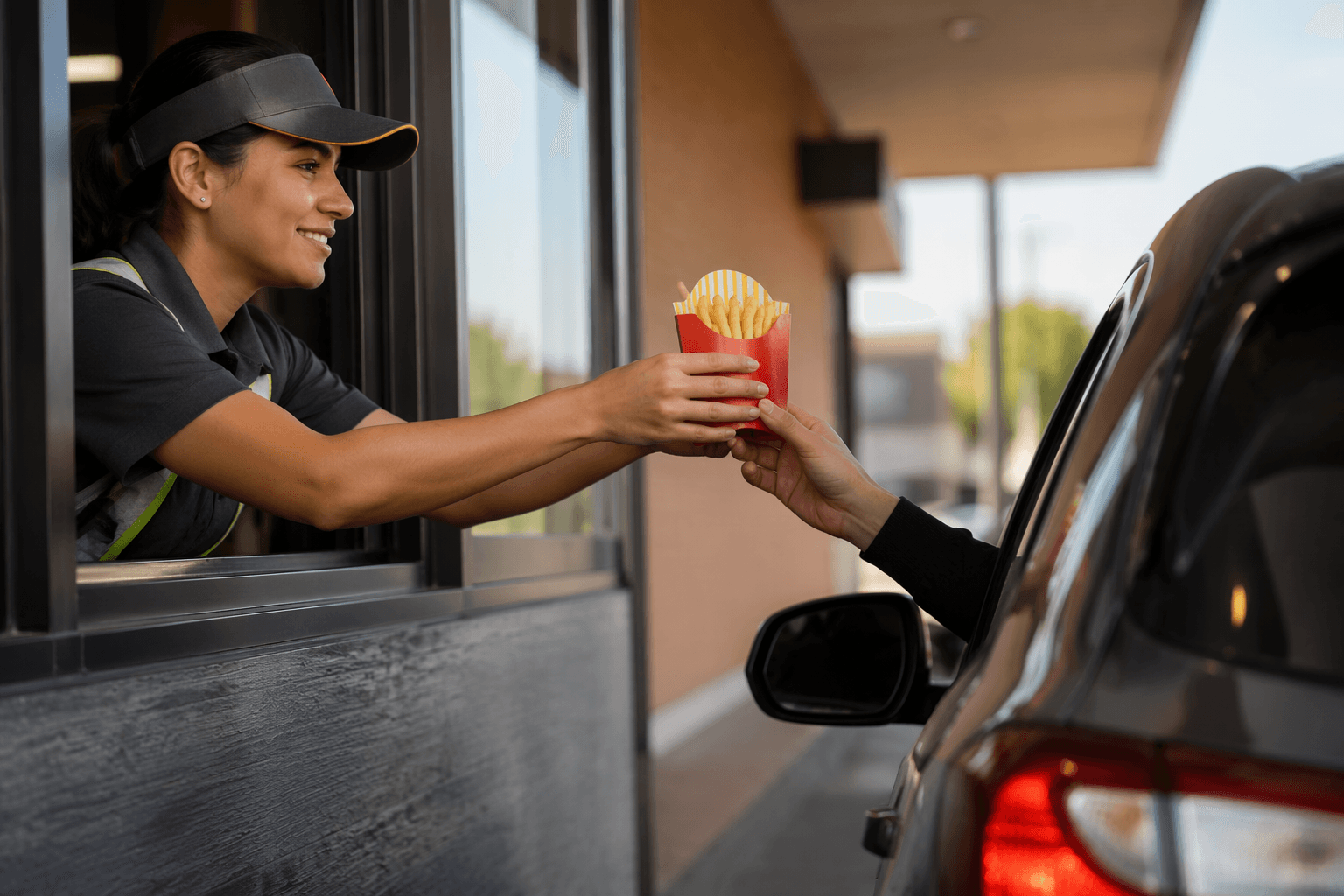
McDonald’s relies heavily on teen labor, and that makes the federal rules more than a legal footnote. In a store where high-school crew members, college students, and experienced managers share the same kitchen, the law still draws a hard line around age, task, and time. The lesson for supervisors is simple: a worker being able to learn the job does not mean that worker can legally do every part of it.
What the federal rules actually require
The U.S. Department of Labor says the Fair Labor Standards Act child labor provisions were enacted to protect young workers’ health, well-being, and educational opportunities. In restaurants and quick-service establishments, workers under 18 may only do permitted tasks, and 14- and 15-year-olds face strict hour limits that can be easy to miss in a busy store.
For 14- and 15-year-olds, the rules bar work during school hours, before 7 a.m. or after 7 p.m. during the school year, and after 9 p.m. from June 1 to Labor Day. They also cannot work more than 3 hours on a school day, 18 hours in a school week, or 8 hours on a non-school day. In practice, that means the schedule itself can create liability if a manager simply fills gaps without checking the worker’s age and school calendar first.
The Department of Labor also says employers must follow both federal child labor law and any stricter state child labor rules. That matters at McDonald’s because a franchisee that thinks it has satisfied the federal standard can still get hit by state law if the state is tougher.
Why McDonald’s stores keep running into trouble
The enforcement record shows this is not a theoretical risk. In fiscal year 2024, the Labor Department said it found 736 child labor cases involving 4,030 minors employed in violation of the law, and it said child labor violations involving employed minors increased 31% between 2019 and 2024. For a brand with a deep teen labor pipeline, that is a warning sign that weak scheduling and weak supervision can spread quickly.
The problem is not just one rogue store. It is a system problem that shows up when managers are under pressure to keep drive-thru times low, cover late shifts, and fill fry, front counter, and prep stations with whoever is available. McDonald’s says its U.S. system includes more than 2 million people working in franchised restaurants, and the company says it has training and protocols meant to mitigate child-labor risks at company-owned restaurants and in franchise operations.

That scale is why compliance has to be built into hiring, station assignment, and supervision from day one. If a franchisee waits until after a problem is reported, the damage is already done, and the violation can spread from one teen’s assignment to the entire restaurant’s labor record.
The McDonald’s cases that show how violations happen
Federal investigators have repeatedly found violations in McDonald’s franchise operations in recent years. In Kentucky, the Labor Department said three McDonald’s franchisees paid $212,754 in fines after investigations found 305 minors, including two 10-year-olds, working illegally. That case is the clearest reminder that child labor problems at a fast-food chain are not limited to older teens slipping a few minutes past closing time.
In the Pittsburgh area, the Labor Department said the operator of five McDonald’s locations employed 34 children who worked later and longer than permitted by child labor law. In Erie and Warren, Pennsylvania, the department said 154 minors ages 14 and 15 were allowed to work at impermissible times, and nine workers under 16 were assigned to operate deep fryers. Those details matter because they show the two most common failure points: bad timing and dangerous equipment.
In Morristown, Tennessee, the Department of Labor said a 15-year-old was assigned to a deep fryer and suffered hot oil burns. That case is the sharpest example of why managers cannot treat child labor compliance as paperwork. A scheduling mistake and a station assignment mistake can become a workplace injury in a matter of seconds.
The department also cited violations at McDonald’s franchise locations in Louisiana and Texas, where investigations at 16 restaurants found child labor violations affecting 83 minors. Earlier cases in Idaho and elsewhere show the same pattern: when the store is busy, the legal limits tend to get stretched first.
What managers need to build into the shift
For supervisors, the safest approach is to know the task restrictions before the first shift begins. That means checking the worker’s age, confirming school-day limits, and deciding in advance which stations are off-limits. It also means training shift leaders to spot problems before the schedule goes live, not after the crew is already on the clock.
The practical checklist is straightforward:
- Verify whether the employee is under 18, then apply the correct task rules.
- For 14- and 15-year-olds, block school-hour work and overnight scheduling mistakes.
- Keep younger workers away from hazardous machinery and any equipment barred by the child labor rules.
- Make sure timekeeping systems and scheduling software match the legal hour limits.
- Train franchise managers and crew trainers to stop an assignment that crosses the line, even in a staffing crunch.
That kind of discipline matters in a chain built on fast turnover and high-volume service. A schedule built around speed can easily become a schedule built around violations if no one is checking the legal side of the roster.
Why this also matters beyond McDonald’s
McDonald’s has leaned into young workers in other ways too. The company launched its Youth Opportunity program in 2018, saying it was designed to reduce barriers to employment for young people through job-readiness training, employment opportunities, and workplace development. That fits the brand’s reliance on younger labor, but it also raises the bar for managers, because a company that recruits young people has to supervise them lawfully.
The broader labor market explains why this issue keeps coming back. The Bureau of Labor Statistics says restaurants and other eating places employed 3,060,960 fast food and counter workers in 2023, and leisure and hospitality is the largest employing industry for young workers. In other words, McDonald’s is not dealing with a niche problem. It is operating inside one of the biggest youth-employment pipelines in the country.
That is also why the minimum wage and overtime fight has always sat next to the child labor fight in fast food. The same stores that rely on low-wage, flexible labor cannot treat teen workers as interchangeable labor units. If a manager wants to avoid a Department of Labor case, the rule is not complicated: know the age, know the hours, know the equipment, and do not assume a busy shift changes the law.
This article was produced by Prism’s automated news system from verified source data, official records, and press releases, then run through automated quality and moderation checks before publishing. The system is built and supervised by the people who set the standards it runs under. Read our full AI policy.
Did this article answer your question?