McDonald's pauses IBM voice-AI pilot; rival scales cautious rollout
McDonald's halted an IBM voice-AI drive-thru pilot after accuracy and noise problems. Workers should expect more oversight, training and human escalation roles as AI testing continues.
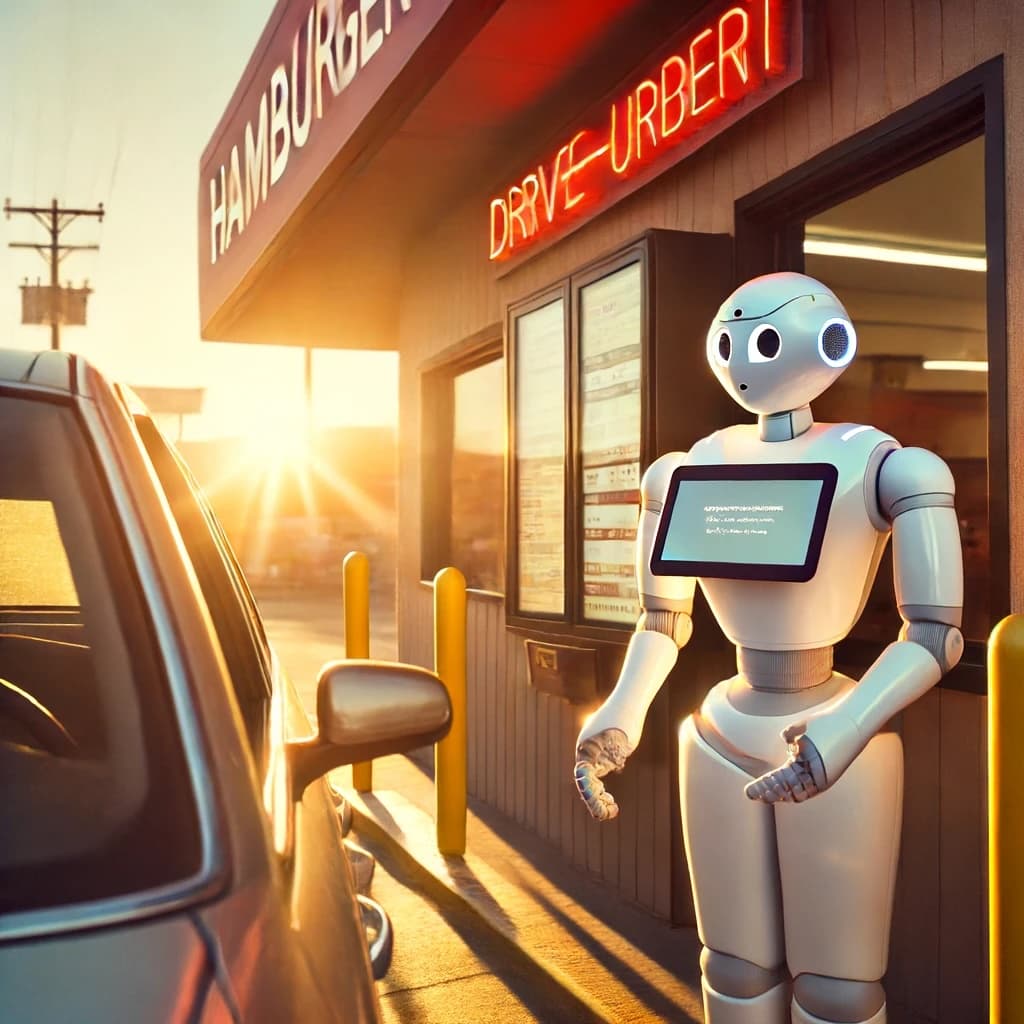
McDonald's paused a pilot of IBM voice-driven ordering on Jan. 9, 2026, after real-world accuracy and background-noise issues undermined performance in busy drive-thru environments. The decision underscores how frail speech systems can be when faced with diverse accents, peak-rush edge cases and the uncontrolled audio of a fast-food service lane.
The pilot ran into problems converting spoken orders into correct menu items and handling nonstandard interactions without human intervention. Those failures increased order corrections and handoffs to crew members during peak windows, raising concerns about throughput, customer satisfaction and crew workload. McDonald's concluded the system could not yet match human reliability under the messy conditions of everyday service, and it paused the rollout to avoid degrading the guest experience and overburdening staff.
By contrast, one competitor achieved a successful voice-AI rollout by treating the technology as a co-pilot rather than a replacement for human order-takers. That chain pursued a metrics-first, conservative approach: it measured order accuracy against a human baseline, tracked average handle time, logged the percentage of orders completed without human handoff, counted escalation frequency, and monitored customer satisfaction. Incremental deployment and tight escalation paths kept crew roles centered on oversight and intervention, allowing the system to boost efficiency without creating new failure modes during peak hours.
The operational lessons are concrete for restaurant managers and crew. When voice AI underperforms, the fallout is immediate: more customer corrections at the window, longer transactions, and added cognitive load on shift leads who must arbitrate errors. That pushes staffing models away from simple labor cuts toward hybrid roles, shift leads and crew will spend more time monitoring AI, running corrections, and managing escalations. Expect new checklists, training modules on escalation protocols and customer correction scripts, and formal "AI supervisor" tasks added to shift responsibilities.

McDonald's is not stepping away from AI. The company remains engaged in research and partnerships to evaluate generative AI and other automation tools, but its posture is precautionary: prioritize reliable, human-centric guardrails, maintain clear escalation paths, and require human review for edge cases. For crew, that means more oversight work in the near term rather than fewer hours on shift.
For managers and franchisees planning pilots, the takeaway is operational discipline: define success metrics up front, mirror human baselines, stage rollouts incrementally, and build escalation workflows that protect service quality and crew bandwidth. As voice systems improve, restaurants that invest in measurement and frontline training will be better positioned to fold AI into operations without passing flawed automation directly onto crew or customers.
This article was produced by Prism’s automated news system from verified source data, official records, and press releases, then run through automated quality and moderation checks before publishing. The system is built and supervised by the people who set the standards it runs under. Read our full AI policy.
Did this article answer your question?