McDonald's payroll logins vary by role, workers told to save the right portal
McDonald’s does not use one universal payroll login, and the wrong portal can stall pay, tax forms, or onboarding. New hires should save the correct link on day one and know who to call if access breaks.
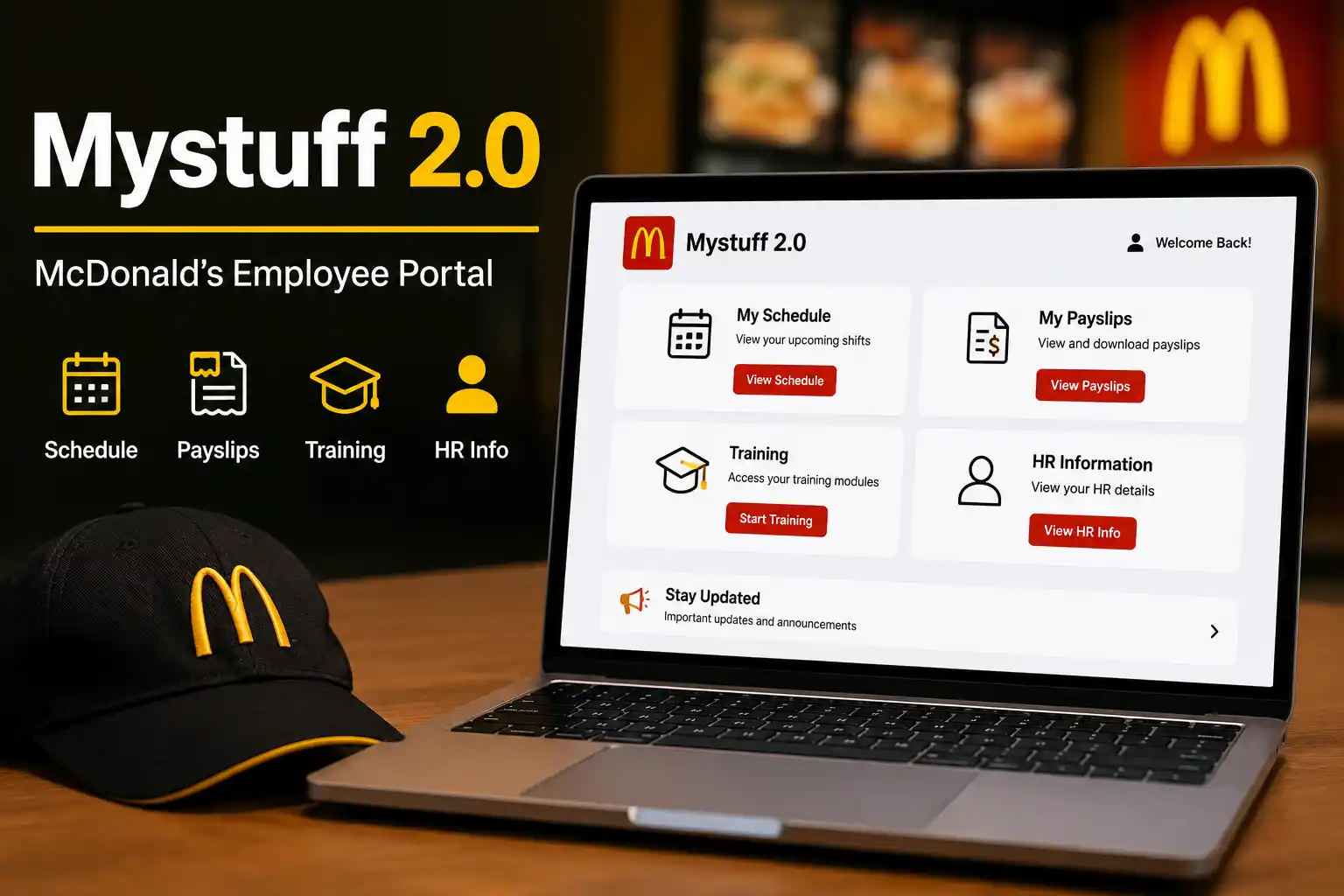
McDonald’s workers should not assume the same login will handle pay, benefits, and HR tasks across the chain. The company routes users by role, which means a crew member, a franchise office employee, and a corporate worker may be looking at different systems before they can see a pay stub or change a direct deposit detail. In a business built on speed, that kind of back-office confusion can hit exactly when a new hire is trying to get started, a transfer is underway, or a restaurant changes hands.
The portal split is the point
McDonald’s makes the role divide explicit on its login page. Users are asked to choose among Crew, Restaurant Managers & Franchisees, Franchisees, Franchisee Office Staff and Restaurant Managers, and McDonald’s Corporate Employees, Consultants and Suppliers before they continue. That is not a cosmetic menu choice. It is a signal that the company’s HR and payroll tools are organized around job type and ownership structure, not one single all-purpose employee dashboard.
That matters because McDonald’s is not one uniform workplace behind the counter. The company says its employees totaled more than 150,000 at year-end 2024, and about 70% were based outside the United States. With a workforce that large and spread across company-owned restaurants, franchise locations, and corporate functions, one portal would be expected to serve very different administrative needs. The split also reflects a basic truth about the chain: the brand may look consistent to customers, but the worker experience can change from store to store depending on who owns the restaurant and who manages the paperwork.
For employees, that means the first task is not just finding a login. It is figuring out which login belongs to the job you actually have. A crew member who uses the wrong portal may waste time searching for records that are stored somewhere else. A manager who does not know which system controls payroll can miss a direct deposit cutoff, delay access to a tax form, or slow down onboarding for someone else on the team.
What goes wrong when the portal is wrong
Payroll confusion is more than an IT nuisance on a McDonald’s schedule. In a restaurant that runs on tight shifts and rapid turnover, a missed login can turn into a late pay question, a missing W-2, or a delay in updating bank information. That is especially true during a first week on the job, when workers are still learning whether their records sit with the store, the franchisee, or a corporate system.
McDonald’s own account-help page gives away how hands-on the process can be for front-line staff. Crew members who need username or password help are told to contact restaurant management. That suggests there is not always a broad self-serve support path for the people most likely to need fast access. If a worker is new, on a transfer, or covering a store after a franchise transition, the path to the right login may run through the manager in the building rather than a centralized help desk.
The same setup helps explain why franchise and corporate workers do not always experience the company the same way. McDonald’s corporate site distinguishes company-owned-and-operated restaurant employees from other employees, underscoring that the systems behind pay and HR can differ by ownership and job type. For someone inside the system, that can mean one store’s onboarding instructions are not useful at another location, even if the uniforms and menu boards look identical.
What new hires should ask in the first week
The safest move is to get the portal right before a problem starts. New employees should ask for the login instructions on day one, save the correct portal, and keep a backup copy of any HR contact information. That is basic protection against the kind of administrative slowdown that can happen when a restaurant is busy, a manager is stretched thin, or the location changes hands.
A first-week checklist should be practical and specific:
- Which portal do I use for my role?
- Who handles password resets for crew, and who handles them for managers or franchise staff?
- Where do I check pay stubs, tax documents, and direct deposit details?
- If I transfer to another McDonald’s, does my login change?
- If the restaurant changes ownership, who tells me what happens to my records?
Those are not abstract HR questions. They are the difference between getting paid cleanly and spending a shift chasing down missing information. In a chain where labor pressure has been shaped by Fight for $15, minimum wage fights, and rising attention to automation, the little administrative failures carry more weight. When workers are being asked to move faster, cross-train sooner, and cover more ground with leaner crews, the company cannot afford to make basic access harder than it needs to be.
Why advancement systems belong in the same conversation
McDonald’s has tried to frame the employee experience as more than a paycheck, and Archways to Opportunity is part of that message. The program is designed for restaurant employees and connects them with education benefits and career advisors, while also pointing them toward growth opportunities. The company has described it as a pathway to advancement inside the business and beyond it.
That makes the portal issue even more important. If a worker has to manage pay access, a tax document, a benefits question, and an education benefit through different channels, the burden rises quickly. For managers, that is more than a paperwork problem. It is part of the day’s people management, because a worker who cannot get into the right system may also be the worker who cannot finish onboarding, confirm their schedule, or move ahead in the company’s own advancement programs.
The larger McDonald’s story is familiar to anyone watching the chain’s labor tensions. Corporate messaging emphasizes opportunity, training, and growth. The daily reality at store level is often more fragmented, shaped by franchise ownership, local management, and the administrative systems that sit behind the register. In that world, the right login is not a minor detail. It is the first proof that the job has been set up correctly.
This article was produced by Prism’s automated news system from verified source data, official records, and press releases, then run through automated quality and moderation checks before publishing. The system is built and supervised by the people who set the standards it runs under. Read our full AI policy.
Did this article answer your question?