McDonald’s Tests Bigger Mac Value Burger, Prompting Crew Training and Kitchen Changes
McDonald’s tested a larger value-oriented burger, prompting changes that could affect crew training, kitchen workflows, inventory and drive-thru ticket times.
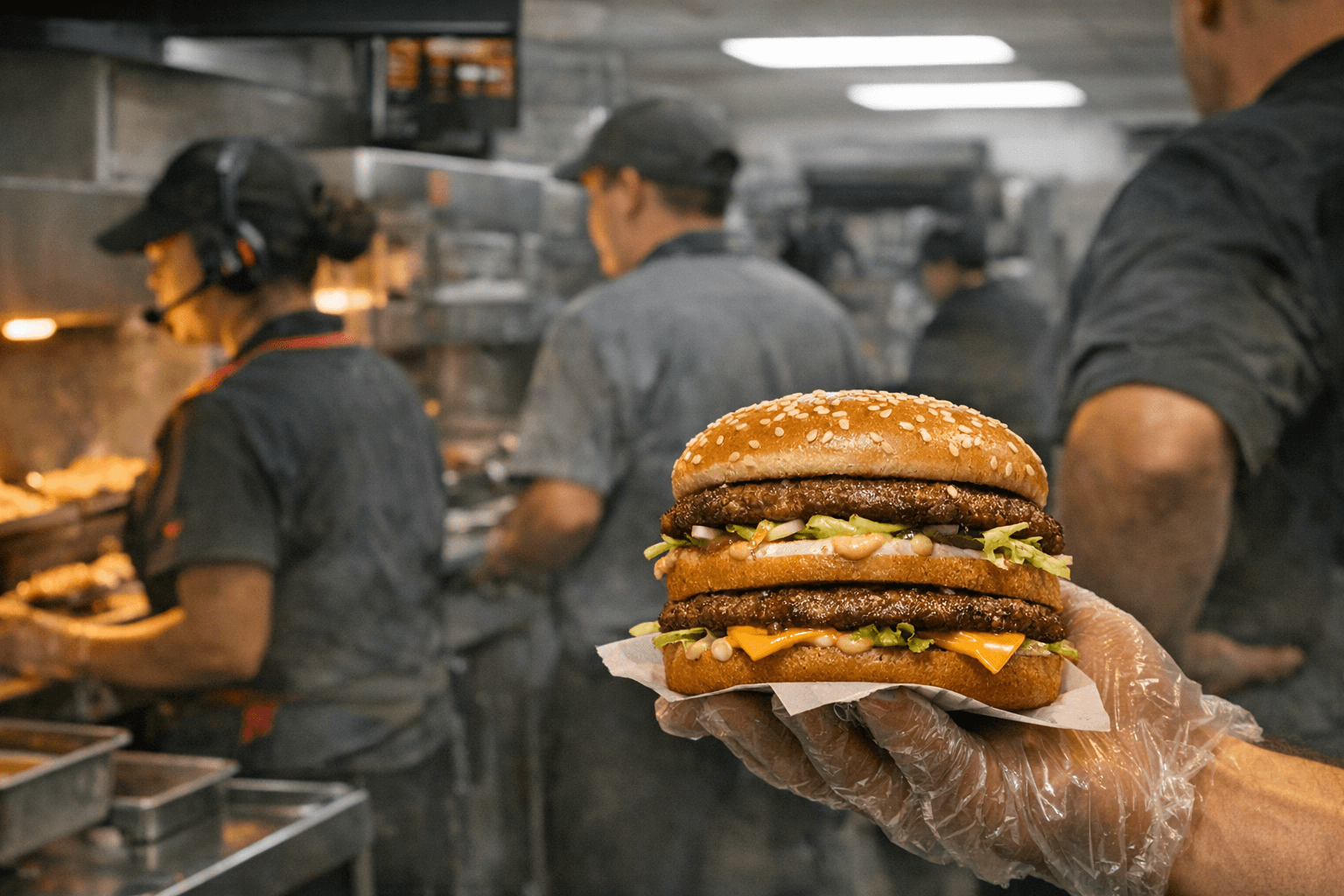
A larger-burger test, often called the Big Arch or Bigger Mac, was rolled out on Jan. 20, 2026 as a value-focused option rather than a premium-priced sandwich. The initiative was described with details on ingredients and a calorie range, and company and industry commentary framed it as part of a broader effort to balance value positioning against higher-margin premium items.
For crew members and restaurant managers, the test means more than a new line on the menu. New or trial menu items typically require updated crew training, revisions to station responsibilities, and changes to back-of-house prep. That can include additional portioning steps, altered assembly sequences, new packaging dimension needs, and modified prep lists and par levels for patties, buns, sauces and other components. Shift supervisors and trainers will need to add those steps to onboarding and shift-refresh drills so cooks and front-counter staff can keep ticket times consistent.
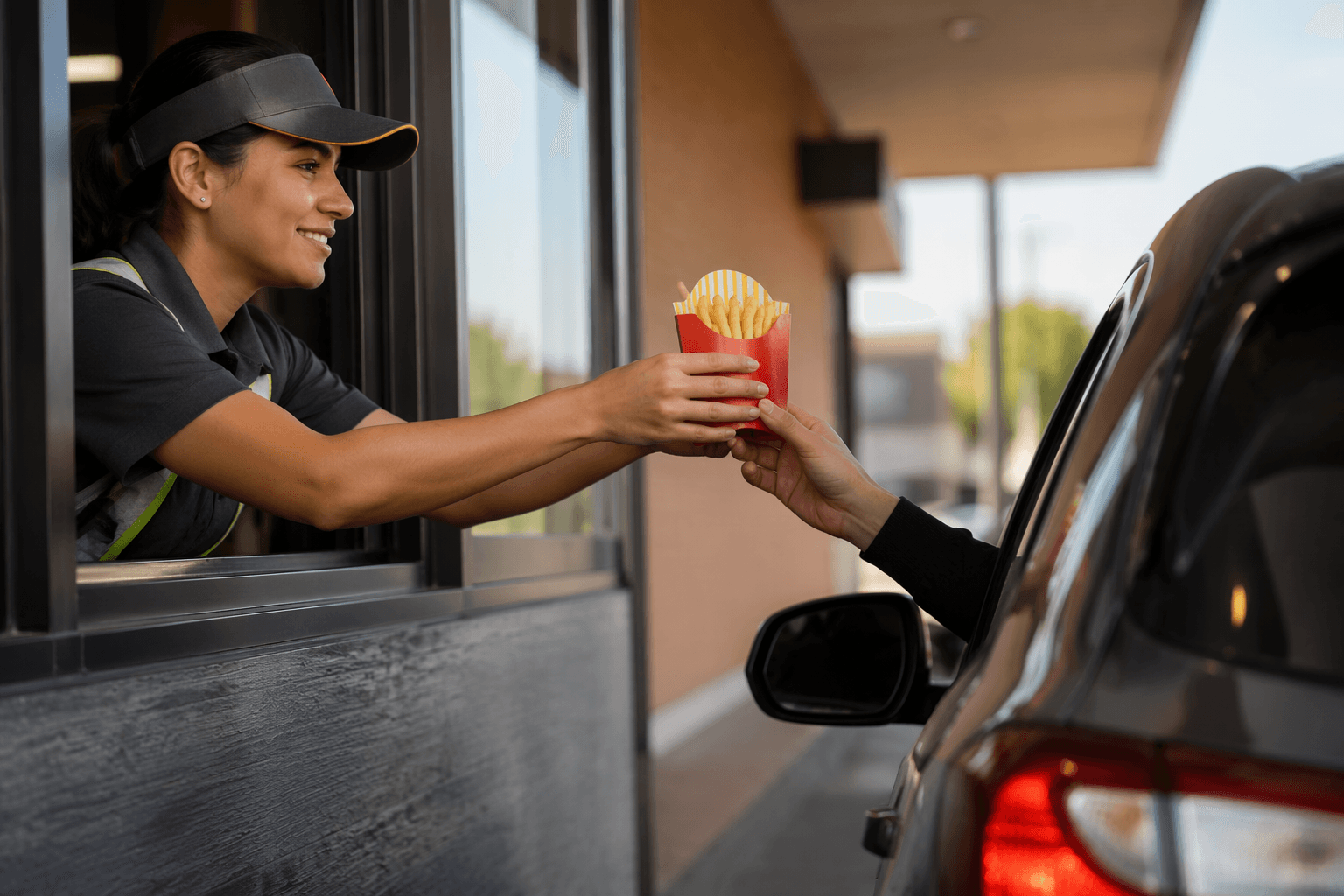
Operational impacts are likely to appear first at the point of service. Drive-thru and counter ticket times can be sensitive to changes in build complexity or cook time; larger sandwiches often require more grill time or a different stack-and-wrap routine that can slow a line if crews are unfamiliar with the process. Managers may respond by adjusting labor schedules, temporarily allocating more crew during peak windows, or moving tasks between grill and assembly stations to avoid bottlenecks.
Inventory and ordering will also shift. A larger sandwich moves par rules for buns, protein and condiments; restaurants will need to update weekly orders and prep volumes to avoid shortages or waste. Franchisees may request different packaging sizes or extra sauce pumps, and suppliers could be asked to change case quantities. Equipment needs could range from small items, such as new clamshell boxes, to changes in storage or warming routines - not necessarily major capital spending, but operational changes that affect daily workflows.
The rollout will test both line-level execution and managerial systems. Crew trainers and district managers are the first line of defense against operational slips during pilots: training materials, practice tickets, and timed kitchen drills can flatten the learning curve. Monitoring key metrics - ticket time, order accuracy, waste rates and customer throughput at the drive-thru - will determine whether the sandwich becomes a permanent menu addition or remains a limited test.
For restaurant employees, the immediate takeaway is preparation: expect updated training checklists, temporary tweaks to station assignments, and closer scrutiny of prep lists and inventory. For managers and franchise owners, the next steps will be refining training, tracking operational metrics, and adjusting labor and ordering plans while the test proceeds.
This article was produced by Prism’s automated news system from verified source data, official records, and press releases, then run through automated quality and moderation checks before publishing. The system is built and supervised by the people who set the standards it runs under. Read our full AI policy.
Did this article answer your question?