McDonald's Tests Humanoid and Wheeled Service Robots at Shanghai Location
Bipedal robots greeted customers and wheeled bots collected trays at a single Shanghai McDonald's — a test that cuts to the heart of who serves fast food next.
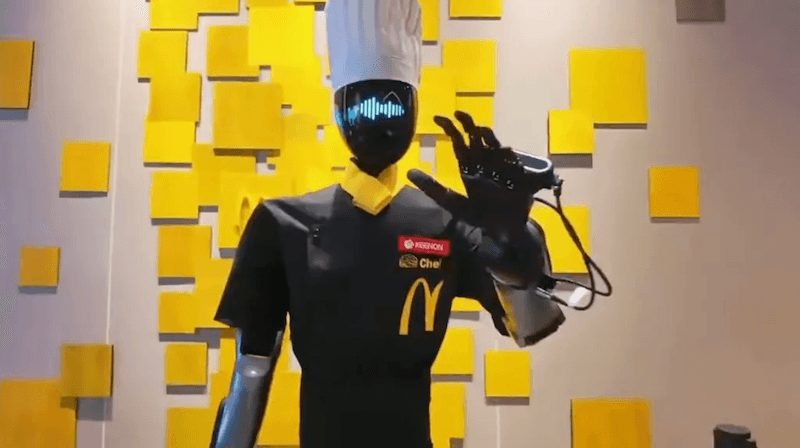
A McDonald's in Shanghai put humanoid robots on the floor this month in what the company is framing as an experimental pilot, not a rollout — a distinction that matters less the longer the machines stay on shift.
The trial deploys robots from Keenon Robotics, a Chinese firm whose machines split into two categories at the Shanghai location: bipedal, humanoid-style units built for customer interaction and wheeled service bots equipped with screens for logistics work. The humanoid models, identified in some reports as the XMAN-F1, greeted customers at the door, offered basic information and guided guests through the restaurant. The wheeled Dinerbot and ButlerBot units handled the more physically predictable work: delivering meals to tables and collecting trays after meals. Some coverage also showed the robots cleaning floors and, in at least one account, taking orders, though those tasks were not confirmed across all sources.
The single-location nature of the test is the critical caveat. Keenon Robotics machines went to work at one Shanghai restaurant, not a chain-wide program, and observers who watched video of the deployment were largely unimpressed by what they saw. "Truth be told, the robots don't look particularly advanced," Digital Trends noted in its March 18 coverage, "but a video showing them in action does hint at a future where bipedal bots and other machines handle routine tasks at fast food restaurants." Robotics & Automation News was more measured: "Humanoid robots have long been demonstrated in controlled environments. Deployments in public-facing settings such as restaurants represent a different challenge — and a different opportunity."
The labor context in China makes this test harder to read as pure displacement. China's workforce is shrinking as the population ages, while many younger workers are reluctant to take low-paid, repetitive service jobs — the exact roles McDonald's is now trialing robots in. At the same time, millions of young people in China are struggling to find work at all, creating what Digital Trends called "an economic contradiction" that cuts against simple narratives about automation stealing jobs. Restaurant operators are drawn to a reliable, potentially low-cost workforce, but the workforce gap robots might fill is itself partly real.
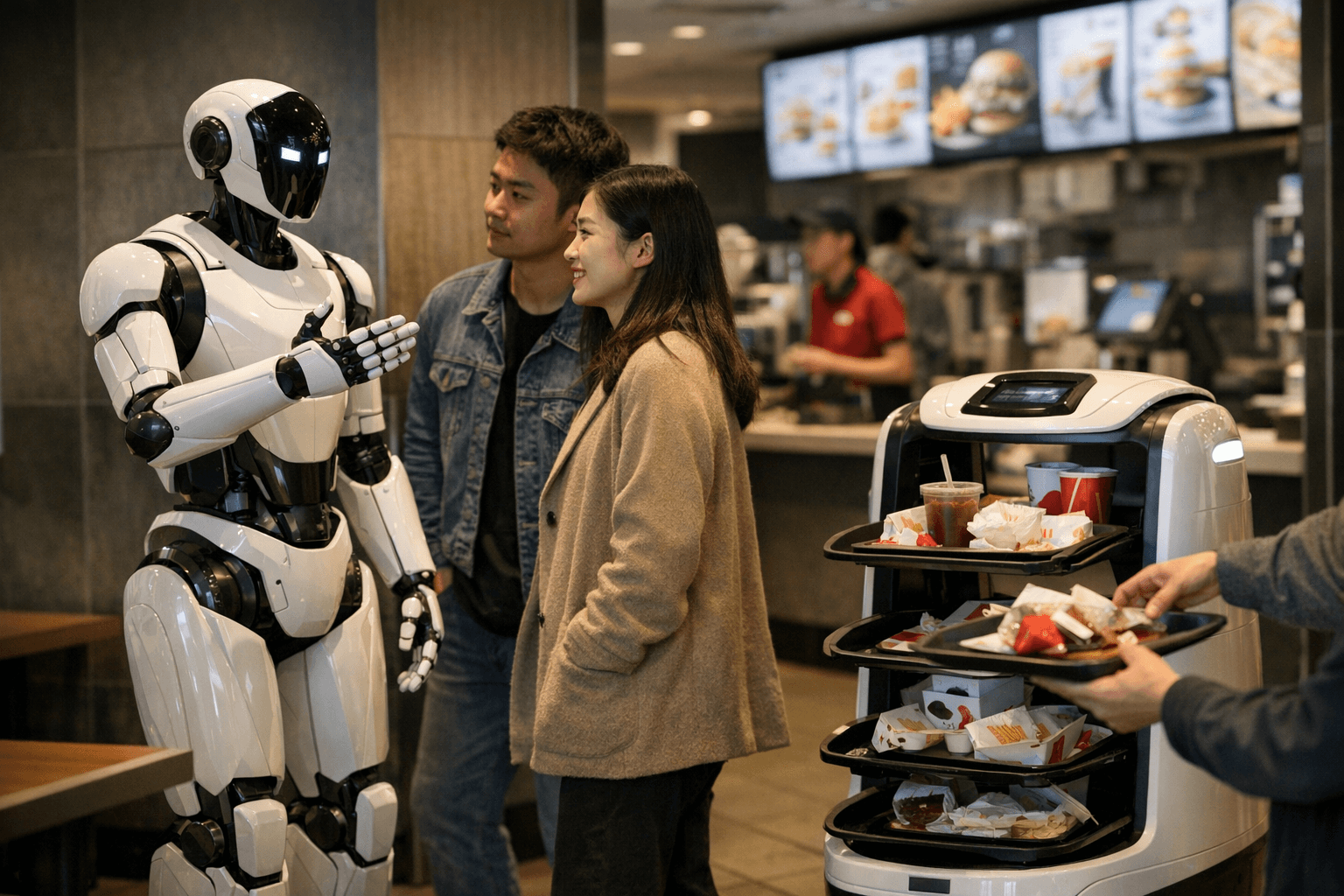
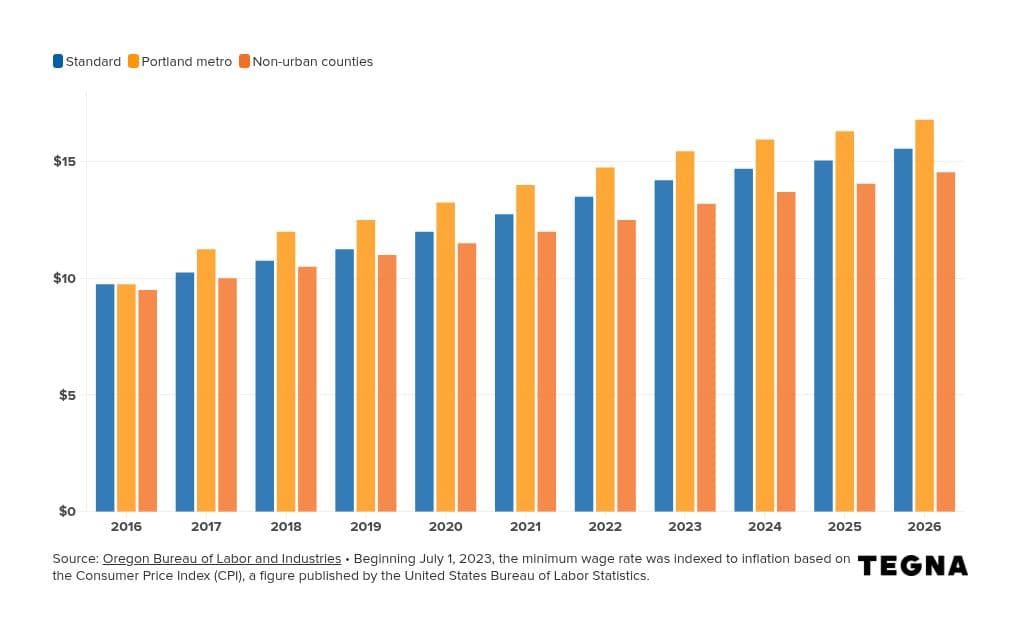
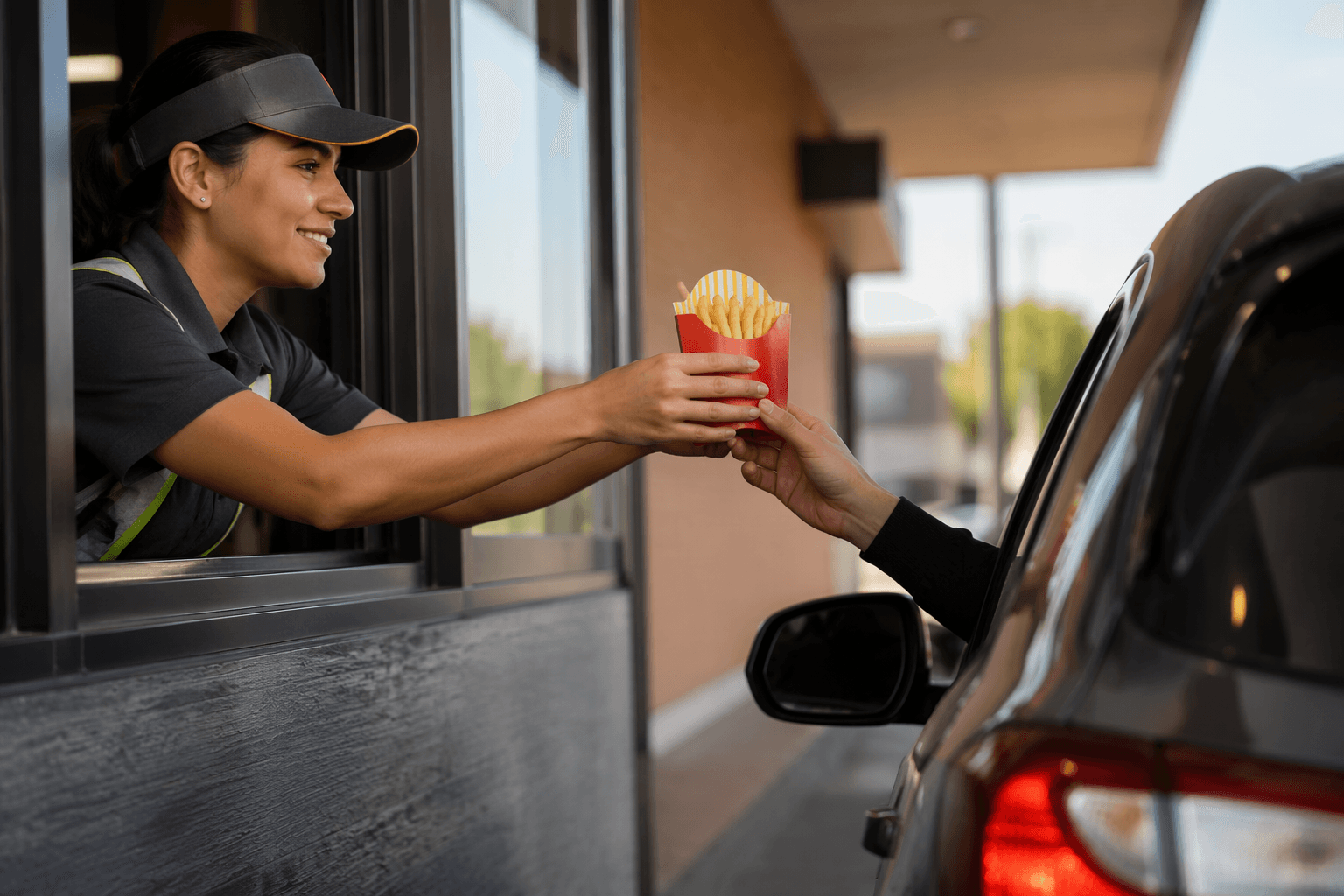
For crew members watching from outside China, the more immediate signal is what the machines were assigned to do. Front-of-house greeting, tray collection and food delivery are exactly the tasks that define entry-level fast food work in any market — the roles that the Fight for $15 movement spent a decade arguing deserved higher wages precisely because they require real human skill and labor. McDonald's has not announced any plans to extend the Shanghai pilot to other markets, and the company has not issued a public statement about the trial.
T3, which covered the test alongside Digital Trends, concluded that a fully automated McDonald's is "still a reach" at this stage and that robots running an entire restaurant remains "years away." What the Shanghai location demonstrated is narrower: that humanoid and wheeled robots can operate in a public-facing fast food environment without collapsing, which is a lower bar than it sounds but a real one that many lab demonstrations never clear.
This article was produced by Prism’s automated news system from verified source data, official records, and press releases, then run through automated quality and moderation checks before publishing. The system is built and supervised by the people who set the standards it runs under. Read our full AI policy.
Did this article answer your question?