McDonald’s ties customer experience push to worker training tools
McDonald’s new growth push pairs automated ordering tests with onboarding tools, putting scheduling, training and service expectations back on the floor.
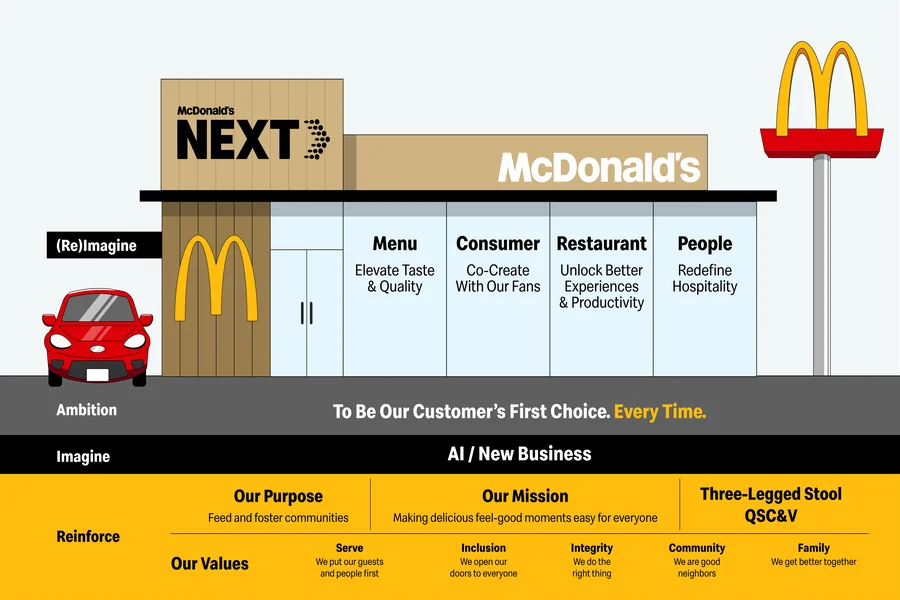
McDonald’s is tying its latest customer-experience push to new worker training tools, and that matters most on the floor where crew members take orders, keep service moving and absorb every rollout that changes the pace of a shift. The company’s NEXT plan pairs automated ordering tests and hospitality improvements with new onboarding and training tools, making labor and technology part of the same operating model.
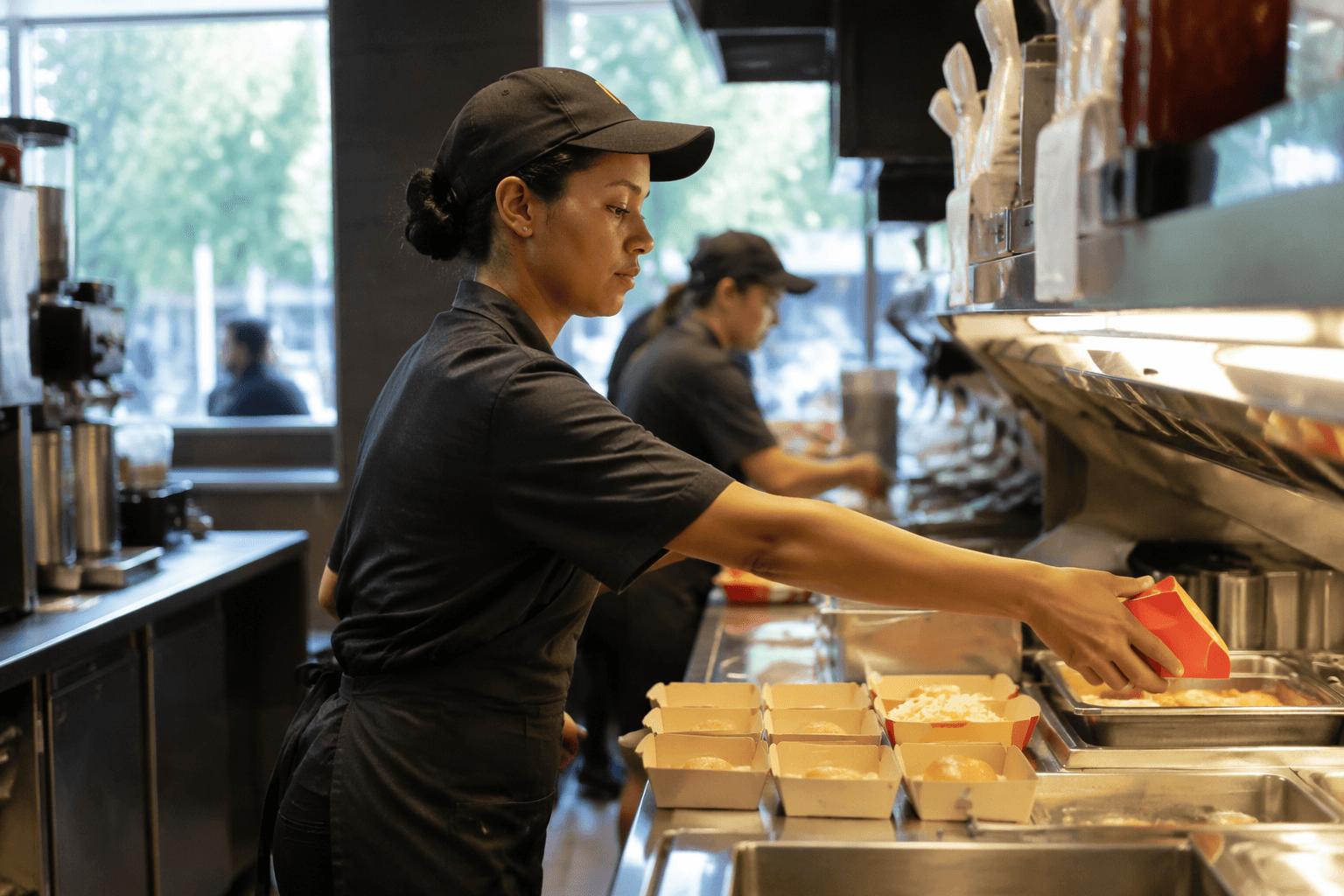
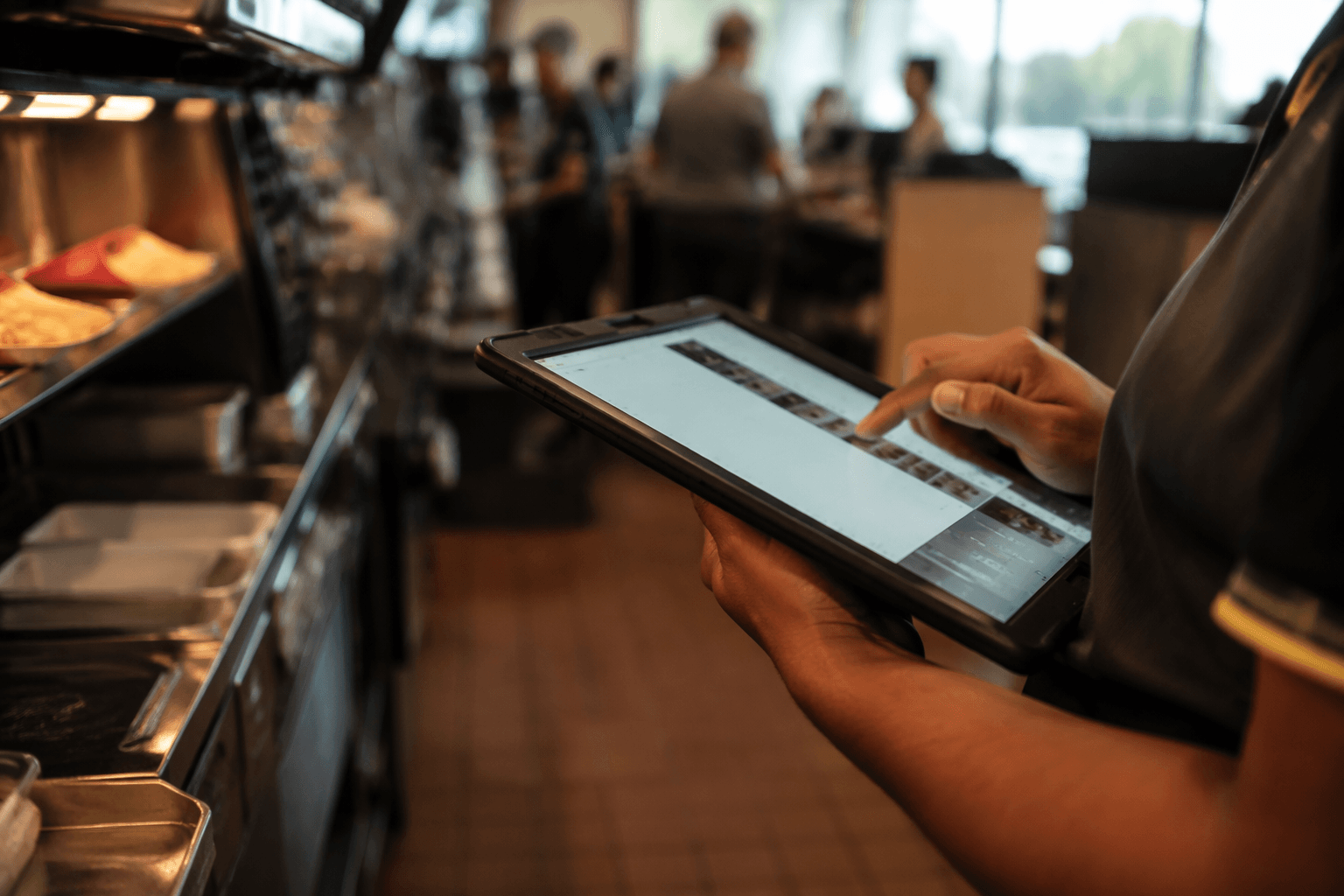
For crew and shift managers, that combination is the real story. New onboarding tools can shorten the time it takes for a hire to learn register flow, kitchen handoff, complaint recovery and the basics of McDonald’s service standards. If the system works, managers spend less time repeating the same training and more time coaching. If it does not, it becomes another corporate program layered onto already tight staffing.
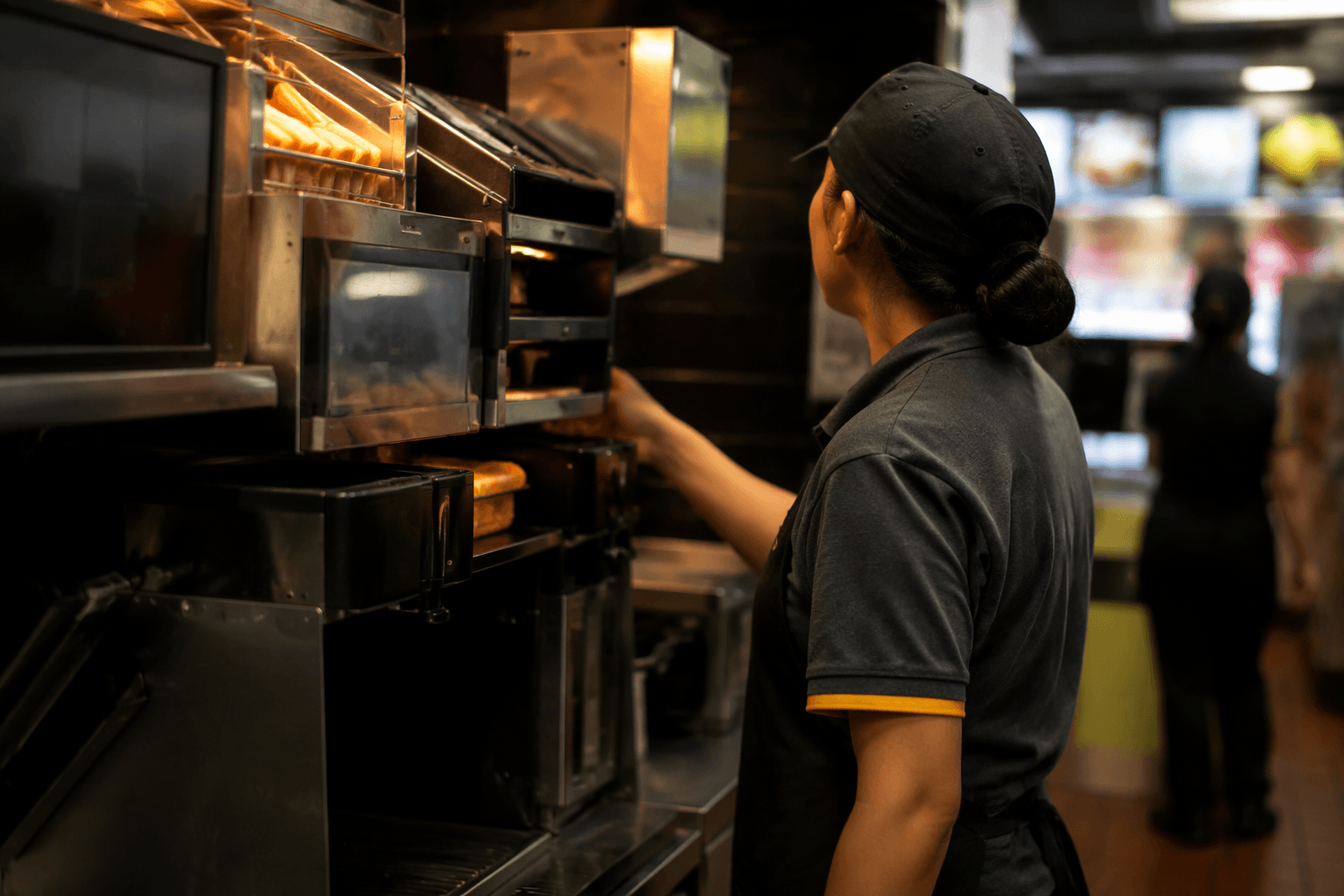
Automation is moving in parallel. McDonald’s tested automated drive-thru ordering at 10 Chicago restaurants in 2021, and Chris Kempczinski said those locations were seeing about 85% order accuracy. The company later scaled back that pilot after accuracy concerns, a reminder that a bad speech-recognition rollout does not just frustrate customers, it creates extra labor for crew members who have to fix orders, calm customers and clean up the errors. In 2026, McDonald’s was testing AI-powered drive-thru technology again at five U.S. locations under a system called ArchIQ.
That matters because the company has been organizing itself around digital and operations for years. McDonald’s created a global digital unit in 2021 that brought together digital, data analytics, marketing, restaurant development and operations. The next year, the company said it would review corporate staffing levels and aim to build more restaurants as part of an updated business strategy, then later said it would lay off hundreds of corporate employees. The message to the system was clear: growth would be driven by fewer layers in some places and more technology in others.
McDonald’s has also said it wants to add about 10,000 new stores by 2027 and double loyalty-program sales, which means the worker side of this story extends beyond one pilot or one app. More stores, more digital ordering and more loyalty traffic all mean more pressure on scheduling, training and service recovery in restaurants that are already running on speed. McDonald’s launched Archways to Careers as a mobile app to help restaurant employees explore careers that match their skills and interests, which shows the company is trying to present development and retention as part of the same growth push.
For franchise operators, the practical question is whether these tools make restaurants easier to staff, faster to train and more stable to run. For crew members, the test is simpler: whether “support” means better systems and clearer expectations, or just a higher bar for service while the number of hands on the clock stays the same.
This article was produced by Prism’s automated news system from verified source data, official records, and press releases, then run through automated quality and moderation checks before publishing. The system is built and supervised by the people who set the standards it runs under. Read our full AI policy.
Did this article answer your question?