McDonald's to Roll Out International Menu Items in U.S., Prompting Crew Training
McDonald’s announced it will bring several overseas fan favorites to U.S. restaurants in 2026, a move that will require training, supply adjustments, and store-level operational changes.

McDonald’s said it will roll several international menu items into U.S. restaurants in 2026, including product concepts that already performed strongly in other markets such as the Hot Honey Sauce lineup. The planned rollout is not just a menu change; it carries operational consequences that will affect crew, managers, and franchisees across the system.
Corporate and franchise operations will need to scale supply chains to handle new ingredients and volumes, make regional availability decisions, and update point-of-sale and menu systems. Those logistical moves translate into tangible changes for crew members on the front line: temporary training modules will be required to teach preparation methods, portioning, and holding procedures, and stores may need new prep stations or modified ingredient-handling routines.
For hourly crew, training is likely to mean scheduled classroom or e-learning time, paired with on-shift practice runs. Managers will be responsible for adding those sessions to schedules, adjusting shift patterns to cover training without disrupting peak service, and maintaining staffing levels during the initial demand surge when new items attract higher traffic. Franchisees will get updated communications and store-level checklists to ensure consistency across locations and to document compliance with new procedures.
Operationally, introducing overseas concepts at scale raises several typical challenges. Sourcing specialty sauces and components requires vetting suppliers for capacity and quality control, and regional rollouts force choices about which stores receive the items first. Point-of-sale updates and packaging decisions will be required to reflect pricing and nutritional information, and holding procedures must be defined to protect food safety and product consistency during drive-thru rushes and busy meal periods.
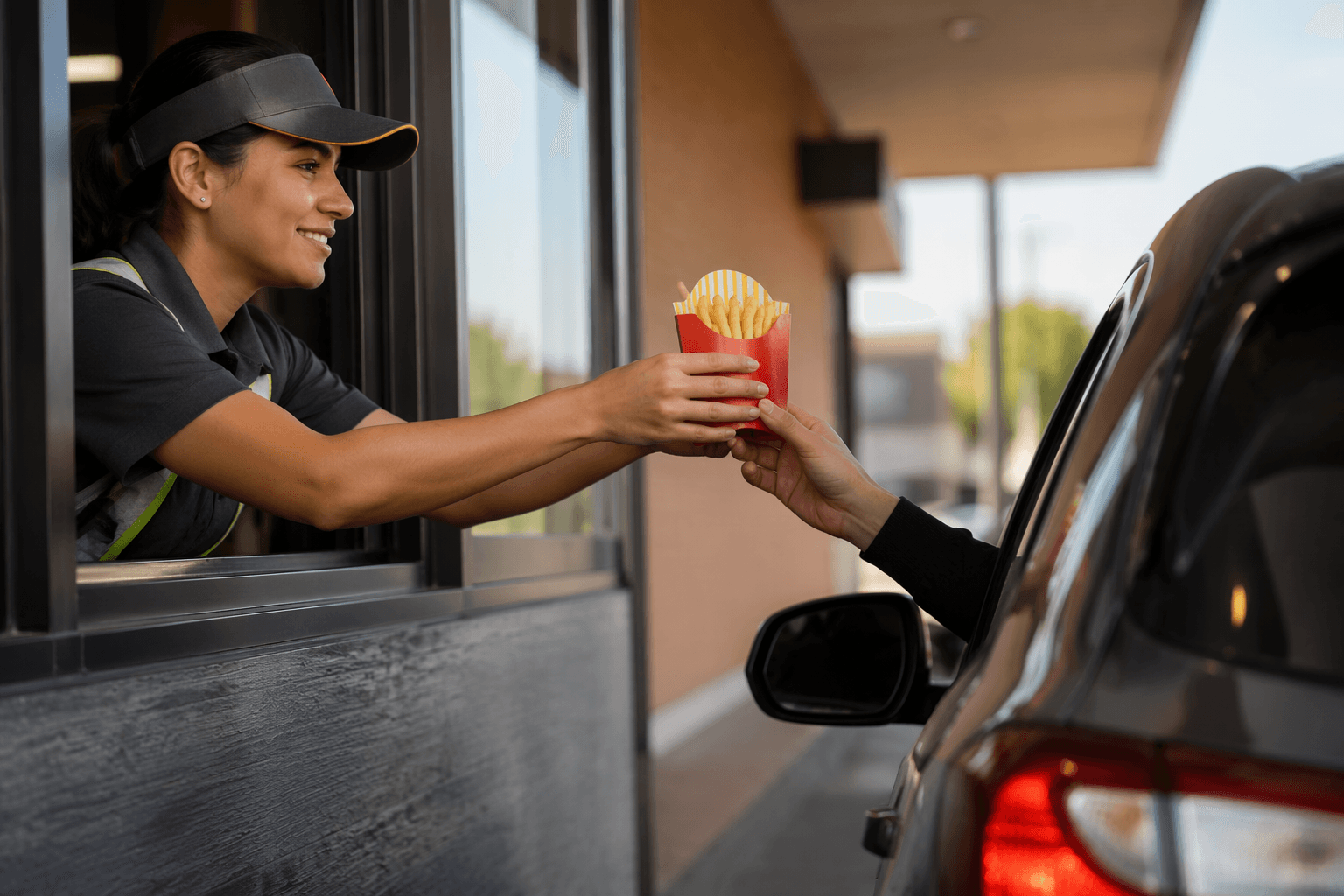
On the restaurant floor, the changes could include new assembly steps on the prep line, additional cold or dry storage for unique ingredients, and revised timing for cooks and assemblers so items meet the chain’s standards. That can increase the complexity of service for crew already balancing multiple tasks, at least during the launch window. Conversely, successful rollouts can boost sales and create more opportunities for upsells, bussing, and team members who can handle the higher throughput.
McDonald’s decision to import proven international concepts means corporate, franchisees, and crew will be coordinating closely through the rollout. Workers should expect scheduled training, schedule adjustments, and updated checklists; managers will be asked to balance staffing and inventory while maintaining service speed. As the rollout progresses through 2026, the key workplace question will be whether the system can translate popular overseas products into steady, scalable operations at U.S. speed and volume.
This article was produced by Prism’s automated news system from verified source data, official records, and press releases, then run through automated quality and moderation checks before publishing. The system is built and supervised by the people who set the standards it runs under. Read our full AI policy.
Did this article answer your question?