McDonald's UK franchising unit publishes 2025 modern slavery statement
McDonald’s UK has filed its 2025 slavery statement, but the real test is whether supplier checks catch abuse before it reaches a store. A BBC case shows how far the system can slip.

McDonald’s UK’s franchising arm has put out a formal modern slavery filing, but the document matters less as brand polish than as a workplace control. The statement covers MCD Global Franchising Limited for the financial year ending 31 December 2025, and it is published under section 54 of the UK Modern Slavery Act 2015. For crew, managers, and franchise employees, the question is not whether the company has a statement on file. It is whether the checks behind it actually catch forced labor risks in the suppliers, logistics chains, and service contracts that keep restaurants running.
What the 2025 filing is designed to do
The statement is titled “MCD Global Franchising Limited Modern Slavery Statement for the 2025 Financial Year.” It says it outlines the approaches taken to prevent modern slavery in the business, and it covers MCD Global Franchising Limited, which is described as a private limited company incorporated in England. That makes it a legal disclosure, not just a corporate values page.
For people on the restaurant side of the business, that distinction matters. A disclosure under the Modern Slavery Act is meant to show what controls exist around the supply chain, not simply to signal good intentions. In a system as large as McDonald’s, the practical stakes sit in the ingredients, packaging, cleaning services, transport, and contracted labor that support the counter and the kitchen.
What is concrete, and what is still only a promise
The clearest operational detail available in McDonald’s UK’s prior modern slavery filing is the company’s audit approach. In its 2024 statement, McDonald’s said its audit approach focuses on Tier 1, meaning direct suppliers, and that it investigates and remediates where appropriate in partnership with suppliers. That is the sort of mechanism that can move a complaint from paperwork to action, at least in theory.
That focus tells managers and franchise operators where the company’s first line of scrutiny sits. It also shows how sourcing rules can reach into day-to-day restaurant operations, because Tier 1 supplier decisions can affect which vendors are approved, how deliveries are managed, and how quickly problems get escalated when something is off. If a supplier fails a review, a restaurant may not see a policy memo first. It may see delayed product, changed sourcing, or extra compliance questions on the next order.
What the filing does not do by itself is prove that abuse has been eliminated. A statement can describe process, but only audits, investigations, remediation, and follow-through show whether the process works. That is the proof question workers and franchisees should keep in view.
Why the history matters
McDonald’s UK says in its 2024 statement that McDonald’s Restaurants Limited published its first modern slavery statement in 2017. That gives the company a multi-year reporting trail, which is important because these filings are meant to show continuity, not a one-off cleanup. If the same business has been disclosing for years, then the relevant question becomes whether the controls are getting sharper, not simply whether the paperwork is still being produced.
The 2024 filing also said the statement covers the approach taken to prevent modern slavery in the business and supply chains associated with the UK. That broader wording matters for franchise operations, because a restaurant is only as clean as the network feeding it. A brand can have strong store-level training and still face exposure if a labor broker, logistics contractor, or food supplier fails the test upstream.
The gap between compliance and real-world exploitation
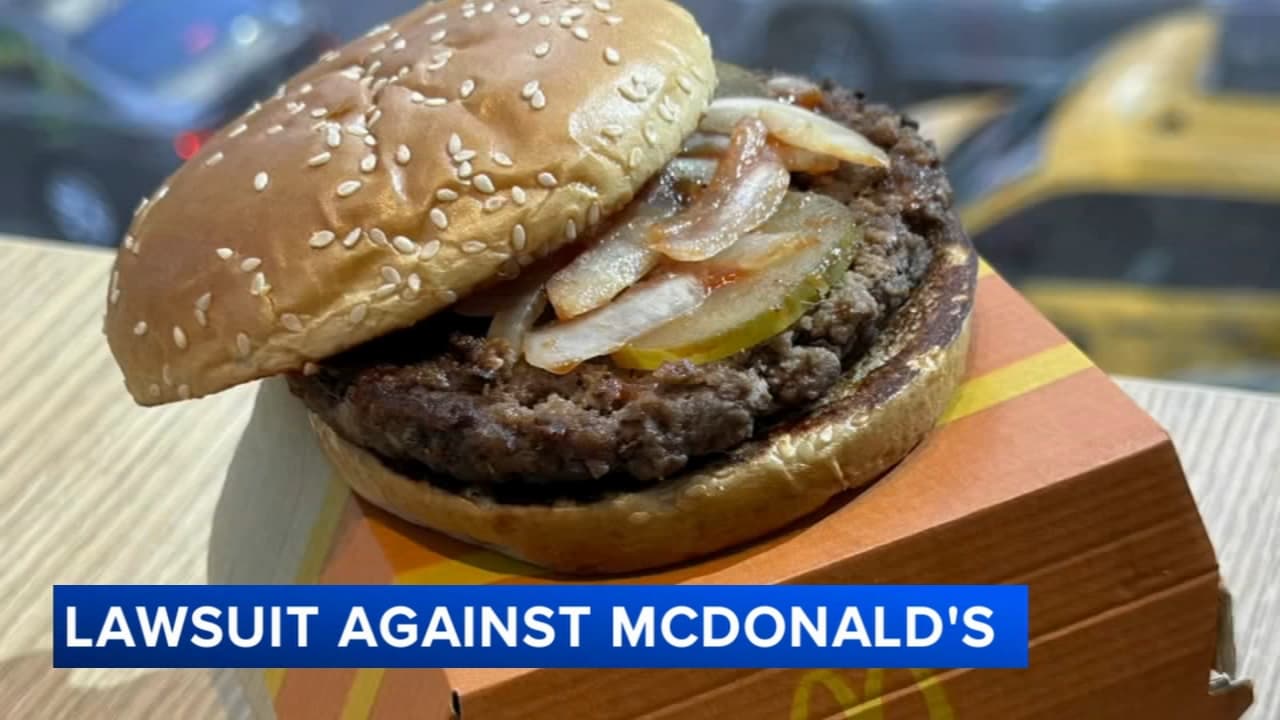
BBC News reported on 30 September 2024 that signs of modern slavery had been missed for years at a McDonald’s branch and a bread-products factory in the UK. The case involved 16 victims who were forced to work at either the McDonald’s restaurant or the factory, and the McDonald’s branch was in Caxton, Cambridgeshire. The factory supplied bread products to major supermarkets including Asda, Co-op, M&S, Sainsbury’s, Tesco and Waitrose.
That example cuts straight to the weakness in any modern slavery statement: a company can have formal controls on paper and still miss abuse in a live operation. The fact pattern shows why restaurant supply chains are so vulnerable. One part of the network touches a store in Caxton; another reaches a factory feeding some of the biggest grocery names in the UK. If the checks are too narrow, too slow, or too dependent on self-reporting, exploitation can sit in plain sight for years.
For McDonald’s managers and franchisees, that is not just a distant compliance issue. It is a reminder that reputational risk, delivery risk, and labor risk travel together. If a supplier is implicated, the pressure lands on operations, on staffing, on ordering, and on the people who have to keep service moving while questions get sorted out.
What workers should take from it
Modern slavery policy sits at the extreme end of labor protection, but it connects to everyday restaurant concerns: fair hiring, transparent labor standards, and a place to raise concerns without retaliation. That is especially relevant in a fast-food system built on large numbers of young workers, high turnover, and tight schedules, where the pressure to keep shifts covered can make weak oversight harder to spot.
For crew members, the practical value of the statement is that it shows the company is trying to put standards around the ingredients and services behind the counter. For shift leaders and managers, it is a reminder that sourcing is part of restaurant management, not separate from it. For franchise employees, it signals that brand-level compliance expectations can shape vendor choice, audit demands, and how local operations are reviewed.
The filing is only one piece of the system, but it shows where the responsibility sits. McDonald’s UK is documenting the controls it says it uses to prevent modern slavery in the business and its supply chain. The measure that counts next is whether those controls catch abuse before it reaches the delivery bay, the prep table, or the people working the shift.
This article was produced by Prism’s automated news system from verified source data, official records, and press releases, then run through automated quality and moderation checks before publishing. The system is built and supervised by the people who set the standards it runs under. Read our full AI policy.
Did this article answer your question?