McDonald’s USA president exercises options, sells 2,626 shares
Joseph Erlinger exercised 2,626 options and sold the same number of McDonald’s shares at about $306.58 each; filings show reduced direct holdings and may shape employee perceptions.

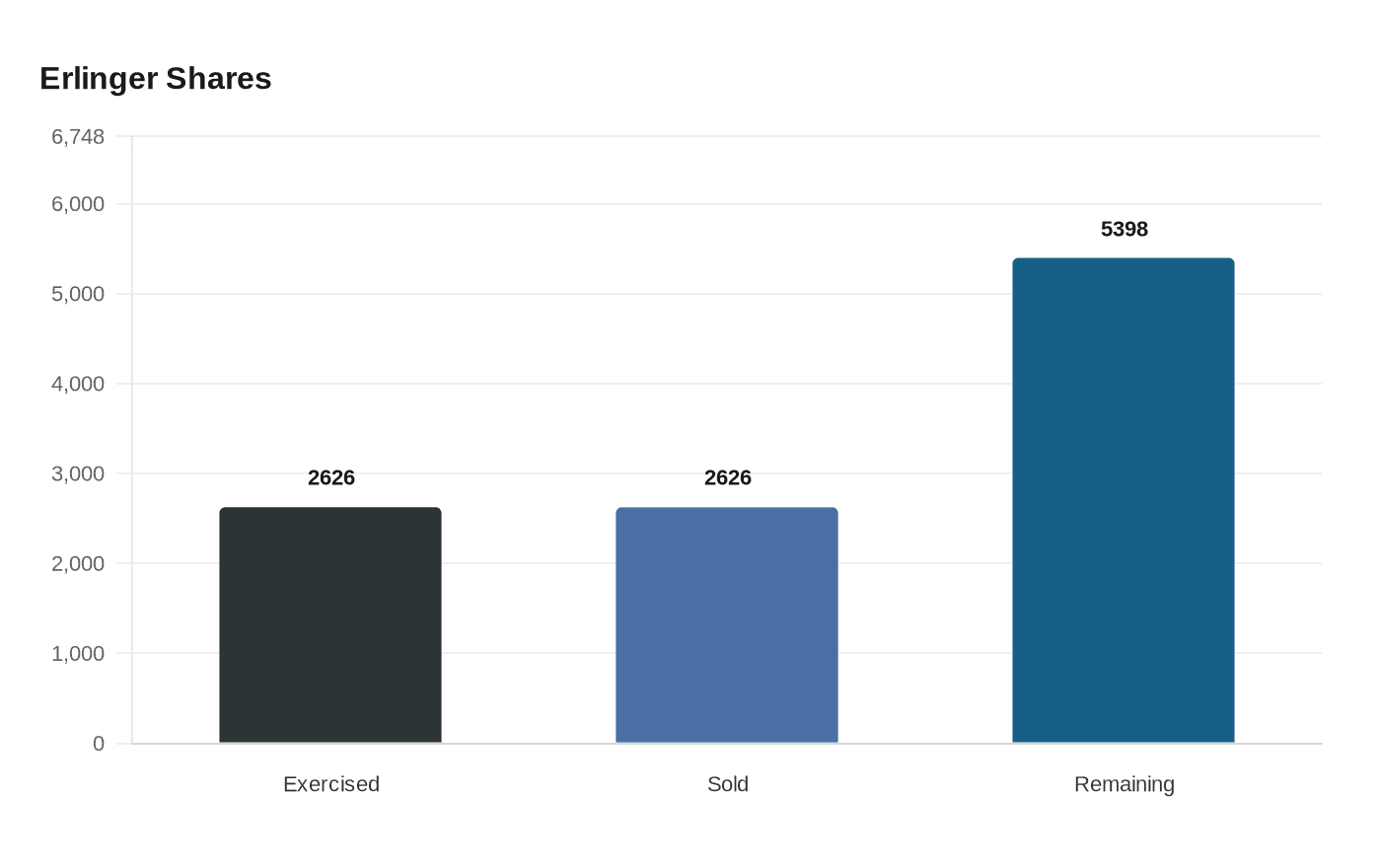
Joseph M. Erlinger, president of McDonald’s USA, exercised 2,626 stock options and sold 2,626 common shares on January 12, 2026, filings show. The transactions were reported on SEC Form 4 and Form 144 the following day and recorded at a weighted average sales price of about $306.58 per share, with trade prices in the roughly $304.66 to $307.30 range.
The exercise-and-sale reduced Erlinger’s direct shareholdings to roughly 5,398 shares, according to the filings and market-filing summaries, while additional unexercised options remain listed. At the reported prices, the gross proceeds from the sale totaled just over $800,000, though the filings note tax withholdings and other standard deductions that apply to option exercises and stock sales.
For employees and store-level workers, executive stock transactions are mainly notable for optics and what they signal about corporate governance. Routine option exercises and sales are common elements of executive compensation and liquidity management; a single sale by an executive does not in itself indicate a change in company strategy or operating conditions. At the same time, publicly reported insider sales can influence staff perceptions about leadership priorities, especially during periods when pay, scheduling, and staffing remain key concerns for frontline employees.

The paperwork behind this activity matters. Form 4 and Form 144 provide a record of insider ownership changes and are required by the SEC to increase transparency around trades by officers and directors. Market-filing aggregators flagged the transaction quickly because it involved a senior U.S. executive and a measurable post-transaction change in direct holdings.
From a workplace perspective, the episode underscores tensions that frequently surface between executive compensation and the everyday realities of hourly workers. Managers and corporate leaders often view option grants as long-term incentives tied to retention and performance. Workers, however, may interpret frequent or large-scale sales by executives through the lens of bargaining leverage and fairness, particularly amid debates over wages and benefits.
The takeaway? Keep an eye on company filings if you want a clearer picture of executive pay moves, but don’t read a routine options exercise as a direct signal about store-level operations. If you’re curious or concerned, ask your local manager or HR how executive compensation and corporate financial moves translate to decisions about staffing, raises, and scheduling, those are the areas that affect your shift-to-shift experience the most. Our two cents? Transparency matters, and the filings give you a starting point to ask informed questions.
This article was produced by Prism’s automated news system from verified source data, official records, and press releases, then run through automated quality and moderation checks before publishing. The system is built and supervised by the people who set the standards it runs under. Read our full AI policy.
Did this article answer your question?