Minneapolis Uptown McDonald’s Locks Dining Room Doors During Business Hours
A McDonald’s in Minneapolis Uptown posted a notice on December 24, 2025 that its dining room doors would be locked and attended during regular business hours, citing repeated trespassing and safety concerns. The change, enacted by the franchise owner, aims to protect crew members and customers and highlights how frontline safety is reshaping daily restaurant operations.
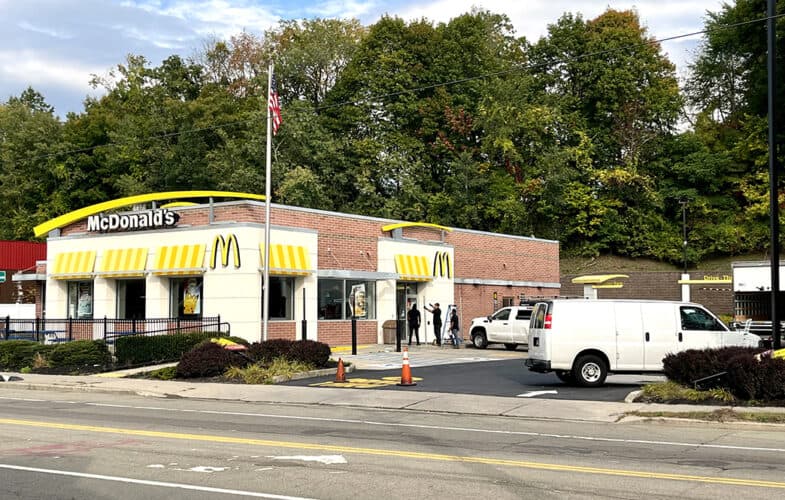
A McDonald’s restaurant in Minneapolis’ Uptown neighborhood moved to controlled access on December 24, 2025, posting a notice that its dining room doors would be locked and attended during regular business hours. The franchise owner implemented the change after repeated trespassing incidents and other safety concerns, saying the security updates were intended to protect crew members and customers.
The restaurant previously tried community based approaches to address behavior and safety in and around the store, but ongoing incidents led management to adopt the attended door policy. Staff will be stationed at the entrance during operating hours to manage who enters the dining area, a step that alters normal customer flow and the daily responsibilities of crew members.
The policy drew broad attention on social media after the notice circulated online, prompting discussion among local residents and workers about safety, access, and the pressures facing urban restaurants. For employees, the change presents both potential benefits and new demands. Locked and attended doors can reduce the risk of trespassing and confrontations inside the dining area, but they also create a new customer facing duty for staff who must screen or greet entrants, potentially increasing stress and requiring additional training or staffing adjustments.
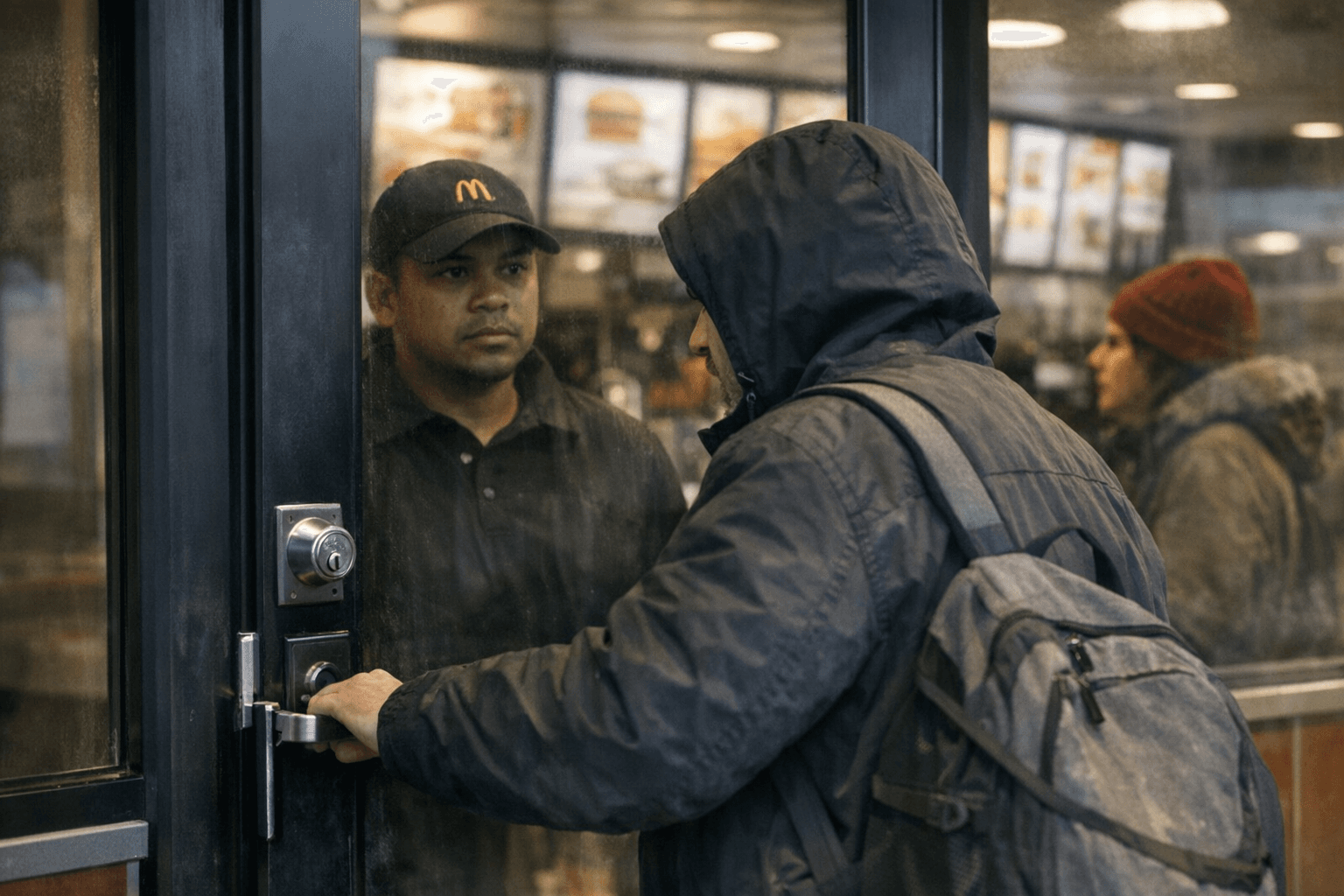
Because the change was made at the franchise level, it underscores how individual operators are adapting store procedures to local conditions. Franchisees have discretion over day to day operations, and this decision reflects a calculation that controlled access would better safeguard crew safety than previous measures. The move may serve as a model for other urban locations weighing similar trade offs between openness and security.
Customers may see slower entry during busy periods and a different in restaurant experience, while workers may gain a safer work environment alongside more responsibility for access control. The Uptown store’s measure illustrates how concerns about trespassing and workplace safety are prompting concrete operational changes in retail and food service settings.
This article was produced by Prism’s automated news system from verified source data, official records, and press releases, then run through automated quality and moderation checks before publishing. The system is built and supervised by the people who set the standards it runs under. Read our full AI policy.
Did this article answer your question?