Nashville Father's Viral TikTok Sparks Debate Over McDonald's Dine-In Service
A Nashville father posted a viral TikTok about an unwelcoming McDonald's dine-in experience, sparking debate over kiosk ordering, condiment access and staff expectations.
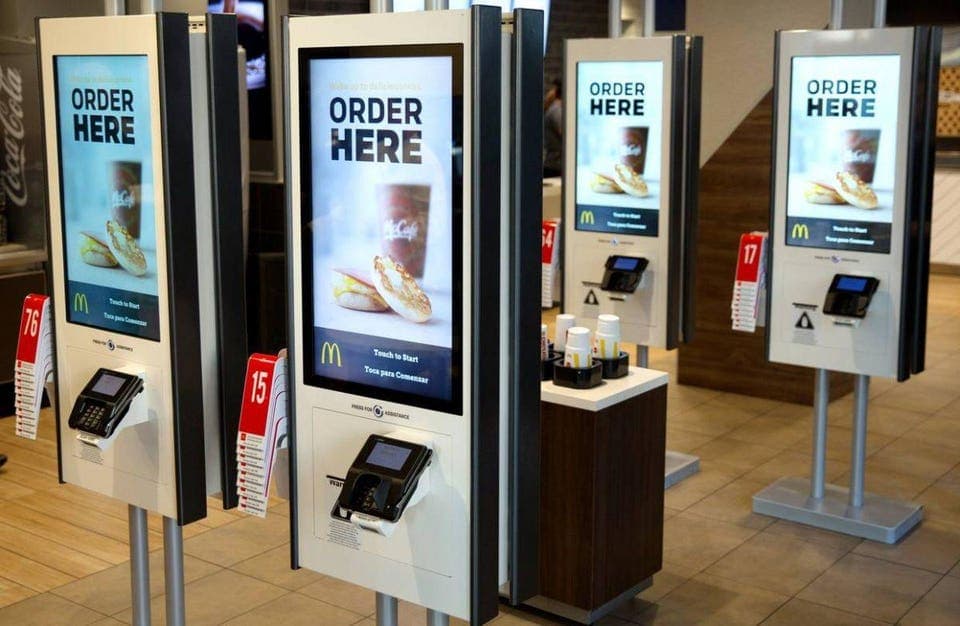
A viral TikTok has turned a routine fast-food visit into a national conversation about how quick-service restaurants balance self-service technology and front-line hospitality. The video, posted February 9, 2026, shows a Nashville father describing an unwelcoming dine-in encounter at a McDonald's that he said involved kiosk-only ordering, limited access to ketchup and fountain drinks, and what he perceived as staff indifference.
The clip drew thousands of comments and shares, prompting widespread discussion about whether McDonald's and other quick-service chains are adequately staffed or have clear policies for dine-in guests. Viewers dissected the interaction from both customer and worker perspectives, with some defending crew members who face competing priorities and others arguing that dine-in expectations should be honored even as stores push digital ordering.
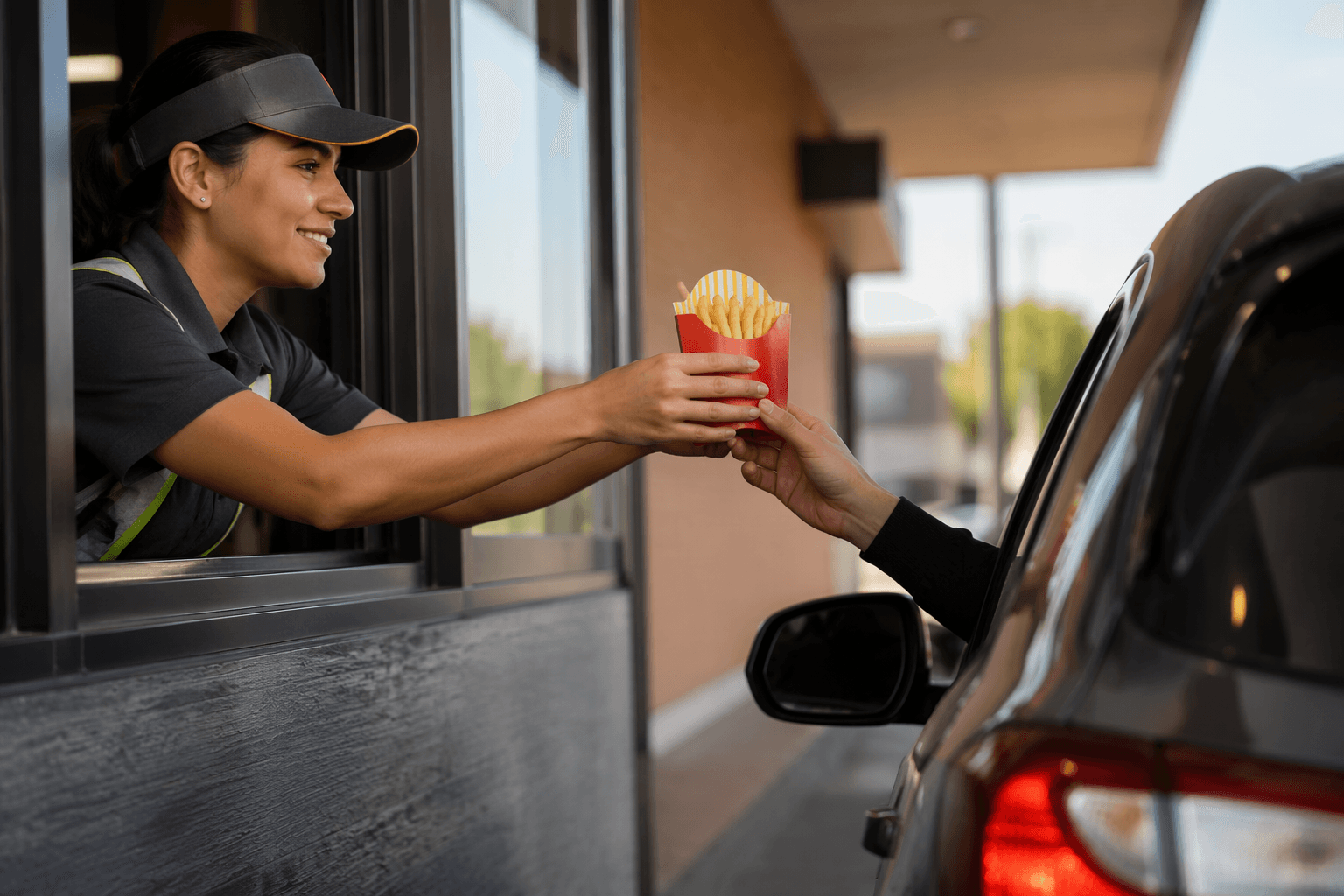
For crew members and shift managers, the incident highlights a familiar operational tension. Kiosk ordering and mobile apps shift order entry away from the front counter, reducing cash-handling and increasing throughput during peak periods. At the same time, customers still expect the table service and self-service conveniences - condiments, napkins, and soda fountains - that used to be standard. Those expectations can translate into extra, often unseen, tasks for crew members: restocking condiment stations, policing self-serve beverage areas, sanitizing dining rooms, and troubleshooting kiosks or payment issues.
The viral nature of the video also adds pressure on employees. Moments captured on camera can rapidly influence public perception of a single shift or a single crew, amplifying scrutiny of individual workers and store-level decisions. That dynamic can affect morale and retention on the front lines, where turnover and staffing gaps are already common challenges in the sector.
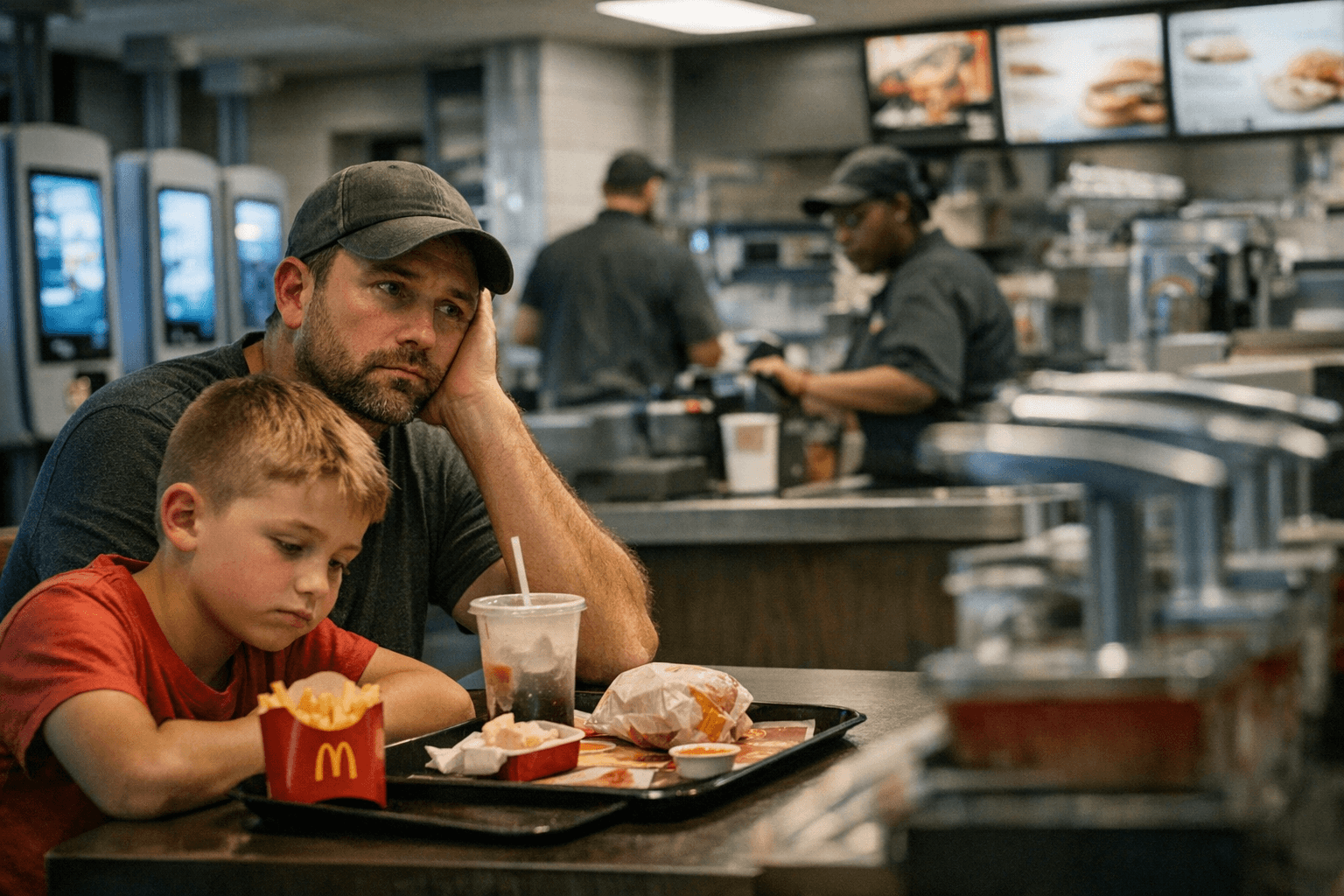
Operational clarity and customer communication are central to resolving the friction. Clear signage explaining ordering flows, posted policies about condiment and fountain access, and consistent training for crew on how to handle dine-in requests can reduce misunderstandings during busy shifts. For managers, the trade-off is between preserving speed and efficiency and maintaining the hospitality that keeps regular customers comfortable.
The dispute also fits a larger pattern across quick-service restaurants, where expansion of self-service technology collides with legacy customer habits. As companies continue to optimize for speed and labor savings, store managers and corporate planners will have to decide how to divide responsibilities between machines and crew without eroding the customer experience or overloading staff.
For McDonald's crew members and managers, the episode is a reminder that policies affect both customer perception and workplace dynamics. How corporate and franchise leaders respond, whether through clearer store-level guidance, staffing adjustments, or customer-facing explanations of new service models, will determine whether this conversation changes everyday practice or becomes another viral moment that fades without operational lessons.
This article was produced by Prism’s automated news system from verified source data, official records, and press releases, then run through automated quality and moderation checks before publishing. The system is built and supervised by the people who set the standards it runs under. Read our full AI policy.
Did this article answer your question?