NLRB Names Jim Murphy Chair to Clear Labor Case Backlog
With a backlog of nearly 600 labor cases to clear, new NLRB Chair Jim Murphy could put franchise operators in front of a hearing sooner than they expect.

James Murphy took the chair at the National Labor Relations Board this week with a mandate few would envy: work through a queue of nearly 600 pending cases that piled up while the agency sat without a functioning quorum for almost all of 2025.
President Trump designated Murphy as NLRB chairman after Murphy had been on the board since January 7, when he and Republican member Scott Mayer were sworn in alongside the board's lone Democrat, Member David Prouty. That swearing-in followed the Senate's confirmation of both Murphy and Mayer on December 18, 2025, and gave the board the three-member quorum it had been missing since the removal of Democratic member Gwynne Wilcox and the expiration of former Chairman Marvin Kaplan's term. The agency went nearly a year unable to issue a single ruling.
Murphy is not new to the institution. He has spent decades in senior legal roles at the NLRB, including as chief counsel to board members, a depth of institutional knowledge that Kaplan, now an attorney at Jackson Lewis, said positions the agency to move immediately. "Jim brings decades of board experience that gives the board an exceptional opportunity to act quickly," Kaplan told Bloomberg Law.
Murphy's own statement after his designation struck a collaborative note: "I wish to thank President Trump for putting his trust in me to serve as Chairman of the National Labor Relations Board. I am looking forward to working with my colleagues Member Prouty and Member Mayer, and all NLRB employees to protect and advance the rights of American workers."
For McDonald's franchise operators and their store managers, the pace at which the NLRB processes its backlog is not an abstract policy question. Charges filed by crew members, including allegations of interference with union organizing, unlawful discipline, or retaliation against workers who raised wage complaints, travel through regional offices before reaching the full board. When that board has leadership focused on reducing a docket, regional timelines compress and hearing dates move up.
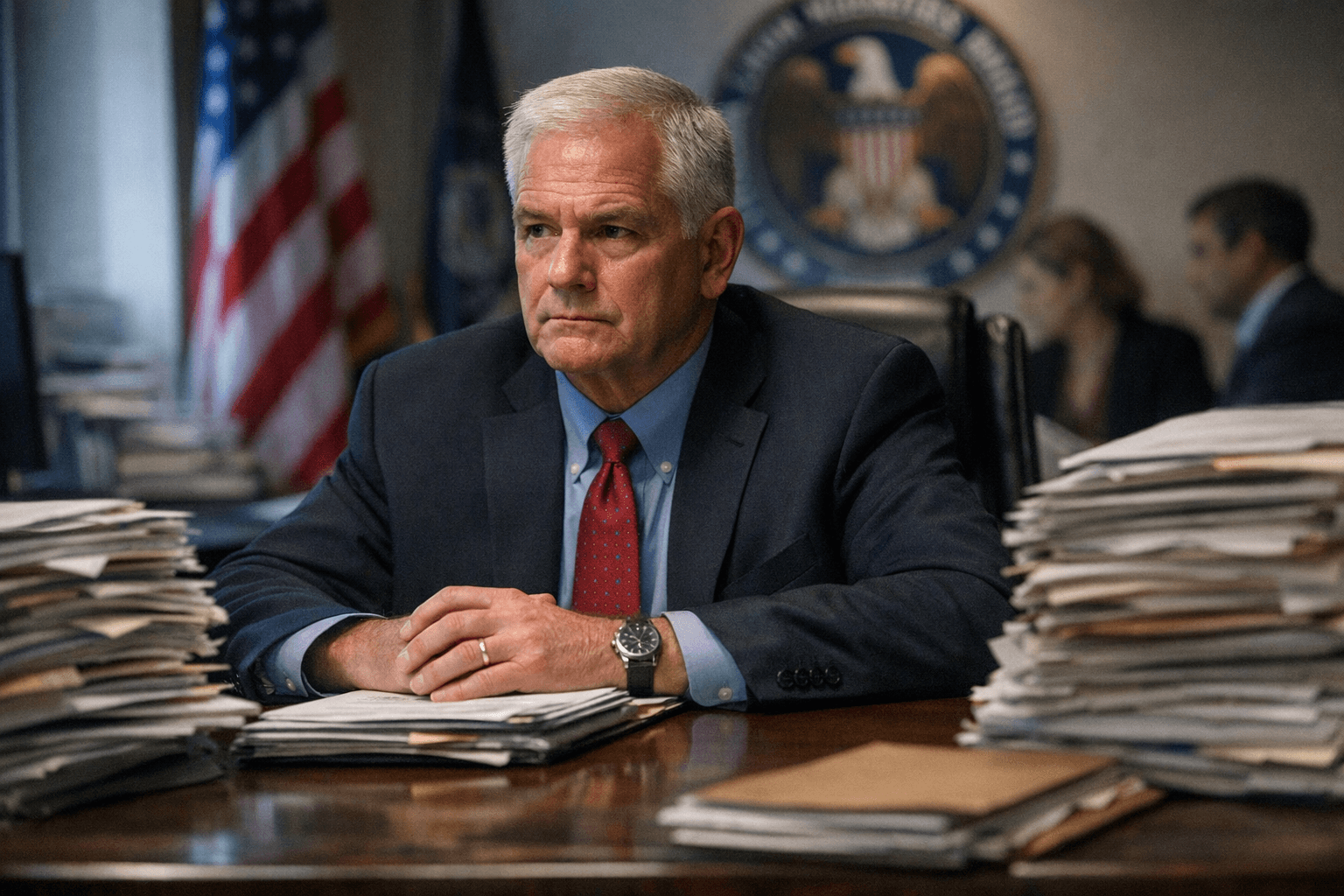
The board has begun reviewing appeals, known as "exceptions," from administrative law judges and has signaled it is tackling lower-complexity matters first to generate visible momentum. Legal observers have described this approach as targeting "low-hanging fruit." For franchise operators, that strategy has a practical consequence: complaints that might have waited months for scheduling could now surface faster than expected.
Equally significant is where the NLRB now stands on joint employer liability. On February 25, 2026, the board published a final rule withdrawing its 2023 joint employer regulation and formally readopting the 2020 standard, which requires evidence of direct and immediate control over workers' terms and conditions before a franchisor can be held liable alongside a franchisee. For McDonald's, which spent years contesting joint employer claims filed in cities including Los Angeles, New York, and Chicago, the 2020 standard provides a cleaner line of defense, but it does not eliminate exposure entirely.
Store-level managers should treat the restored board as a signal to tighten documentation now, before any petition or charge arrives. Records showing who set the scheduling template, who approved a termination, and who wrote the discipline policy are central to any defense at the store or franchise level. Supervisor training on what constitutes protected concerted activity, the right of crew members to discuss wages or working conditions with co-workers, is equally critical; a single mishandled conversation can become a charge on Murphy's accelerating docket. Franchise operators also need a defined escalation path: the moment organizing activity appears, communication to legal counsel should be automatic.
One looming uncertainty could disrupt the board's momentum. Member Prouty's term expires in August 2026. If no replacement is confirmed before then, the three-member quorum will again dissolve, potentially freezing the very case calendar Murphy is now working to clear.
This article was produced by Prism’s automated news system from verified source data, official records, and press releases, then run through automated quality and moderation checks before publishing. The system is built and supervised by the people who set the standards it runs under. Read our full AI policy.
Did this article answer your question?