Queens McDonald’s Hires Door Monitor, Screens Unaccompanied Teens
A Forest Hills McDonald’s instituted a door enforcement policy and assigned a staff member to screen unaccompanied minors during afternoon hours, a move aimed at improving safety after repeated disturbances. The change matters to workers because it alters front line duties, shifts how orders are fulfilled, and reflects growing pressure on franchisees to manage youth related incidents in public facing retail spaces.
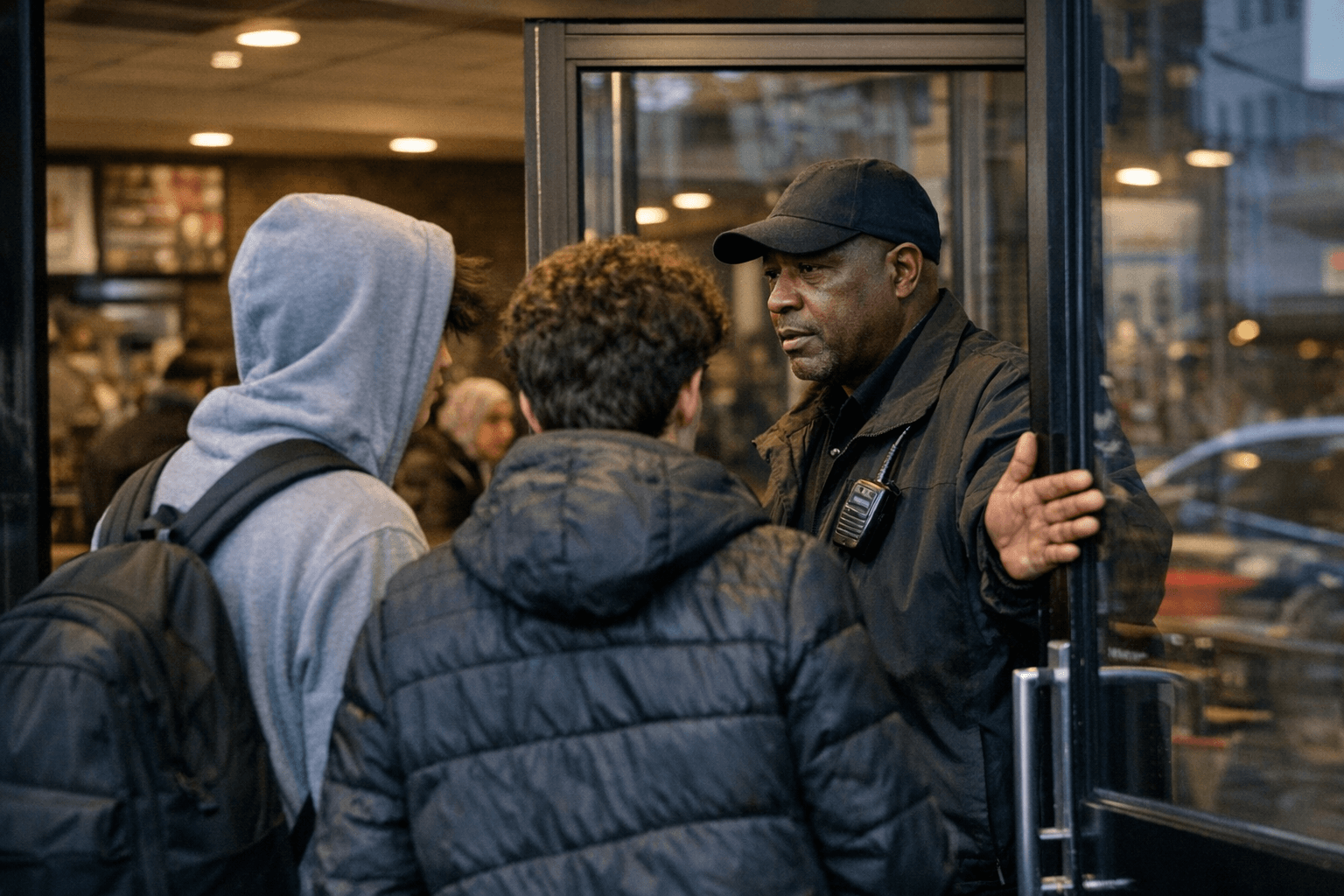
Managers at a McDonald’s in Forest Hills, Queens began enforcing a new door policy at the end of November, assigning a staff member to check patrons entering the restaurant between roughly 2 p.m. and 4 p.m. The monitor checks mobile orders, screens groups of teens at the door, and delivers mobile orders to customers outside when managers determine entry should be restricted. Local reporting described the role as a "McBouncer."
The measure followed a series of safety incidents this year. Managers said police were called to the location about 15 times so far for assaults, disorderly conduct and other disturbances. The restaurant sits adjacent to several public schools, and managers reported that large groups of teenagers had repeatedly created conditions staff and customers regarded as unsafe. Managers also said some teens fled the scene before police arrived, complicating enforcement and response.

On the ground, staff and customers reacted with a mix of relief and frustration. Crew members told reporters the extra duty aimed to protect coworkers from confrontations and help keep the dining area usable for paying customers. Some nearby teens said the policy felt like exclusion, and a few customers said the extra screening led to longer waits during the afternoon period. Managers balanced those complaints against the need to reduce incidents that had been escalating at the location.
The Forest Hills step also fits a broader trend in the city, where several McDonald’s locations earlier this year adopted restrictive entry practices or tightened security in response to youth related violence. For franchise operators and corporate leadership, the shift raises questions about staffing, training and the legal boundaries of letting employees police entry. For frontline workers, the new duty adds responsibilities that mix customer service with conflict avoidance and informal security work.
Longer term, the episode underscores the tension between operating a public quick service restaurant near schools and maintaining a safe workplace. Employees benefit when managers take steps to reduce threats to personal safety, but those steps can carry operational costs, heighten confrontations at the door, and expose staff to new stressors. The situation in Forest Hills suggests franchisees, corporate managers and local officials will need clearer plans for protecting workers while keeping restaurants accessible to legitimate customers.
This article was produced by Prism’s automated news system from verified source data, official records, and press releases, then run through automated quality and moderation checks before publishing. The system is built and supervised by the people who set the standards it runs under. Read our full AI policy.
Did this article answer your question?