Restaurant staffing becomes profit driver, report underscores McDonald’s workforce priorities
McDonald’s labor pressure is shifting from headcount to retention, and the new staffing report says crews will feel it first in scheduling, training, and fewer solo stations.
Staffing is now a profit metric, not just a payroll line
The latest restaurant workforce report puts a hard number behind what McDonald’s crews already know from the lunch rush: when a store is short-staffed, everything gets slower, louder, and more expensive. The National Restaurant Association says staffing decisions should be treated as a strategic business investment, not a short-term cost, and argues that the biggest returns now come from better onboarding, stronger managers, and technology that removes friction after the hire, not just before it.
That shift matters because the labor market has cooled from the chaos of the Great Resignation without becoming easy. Restaurants still need to hire constantly, but the report says improved applicant flow may let operators focus more on quality than speed. The catch is that hiring only pays off if the employee stays long enough to become “net positive,” which is why retention, training, and manager support have become part of the profit conversation.
What the report says crews should notice first
For a McDonald’s employee, the clearest sign that staffing is being treated as an investment is not a slogan on a wall. It is what happens on the floor. Better staffing should show up as fewer solo stations during peak periods, shorter drive-thru bottlenecks, more time for the first week of training, and schedules that stop changing at the last minute.
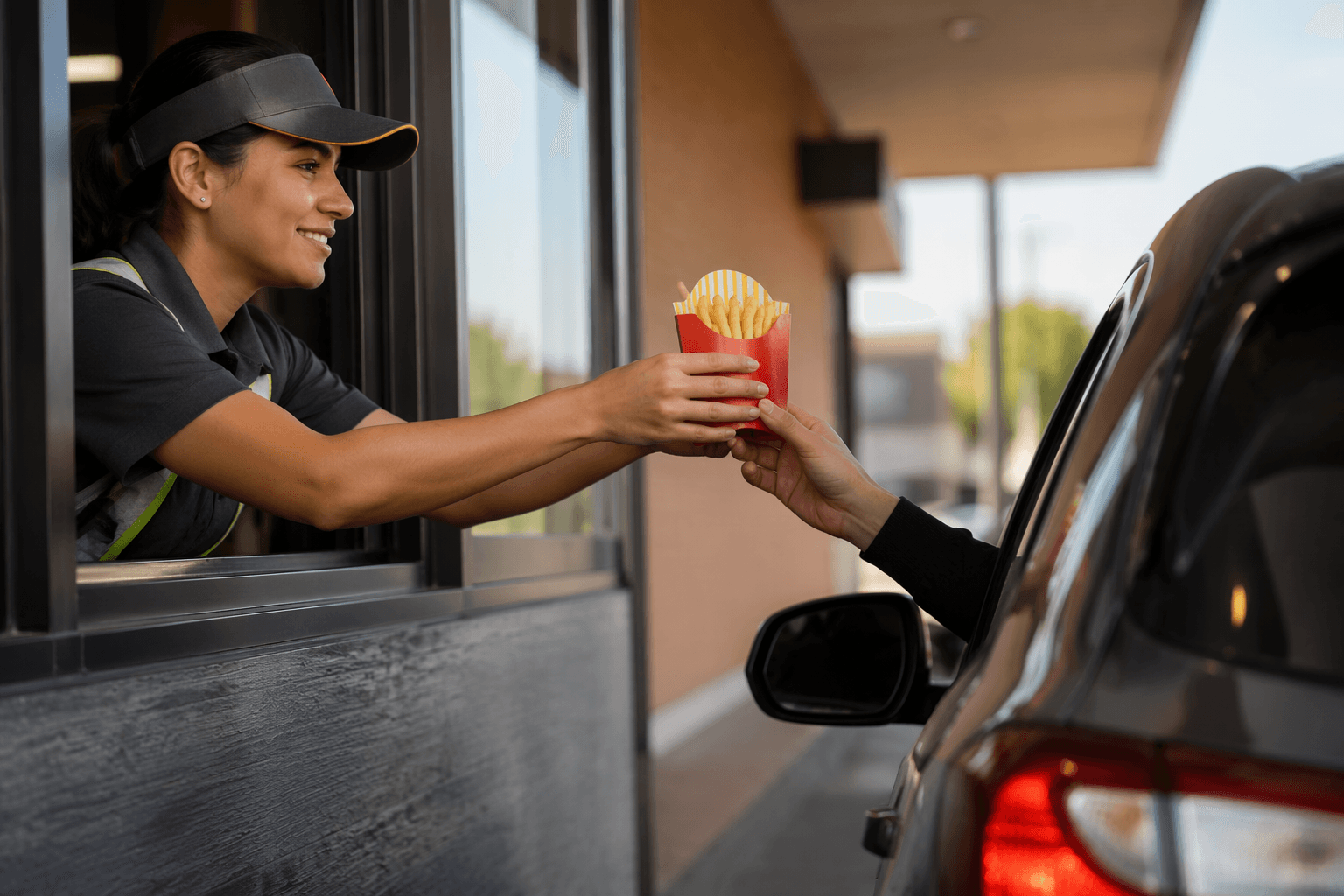
The report’s logic is practical: understaffing drags on growth, service quality, and sales. It says being down one employee can cost hundreds of dollars per shift, which helps explain why a missing runner, cashier, or kitchen worker can ripple across the whole restaurant. In real terms, that can mean one person trying to juggle fries, drinks, bagging, and headset calls instead of each role being covered well enough to keep the line moving.
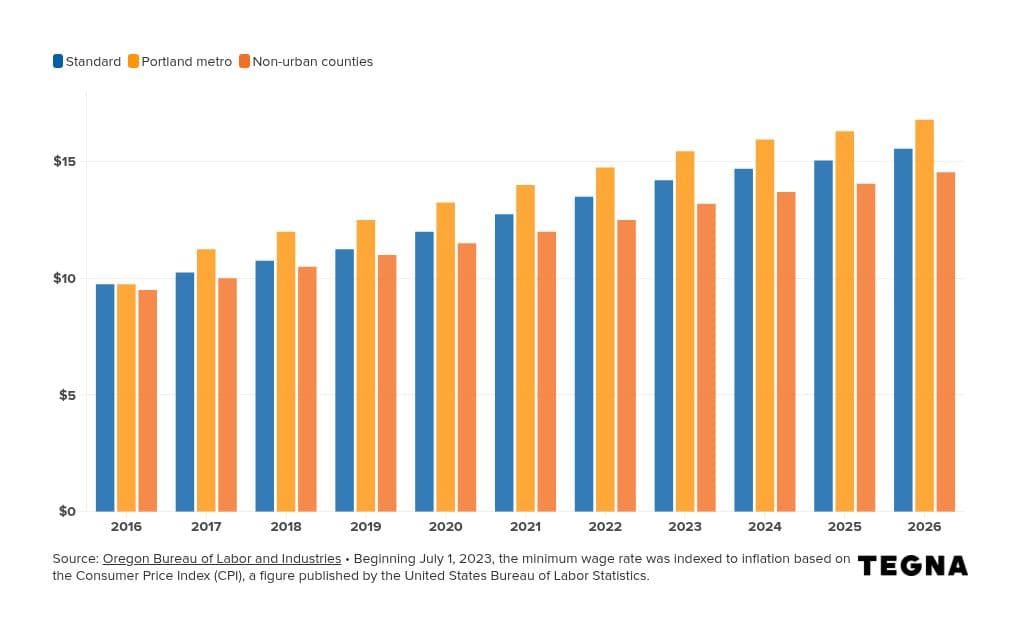
That is the tension at the center of the staffing debate. Industry leaders have spent years talking about pay, and the Fight for $15 era made wage pressure impossible to ignore. But this report says the next battle is operational: whether stores can build systems that make good hiring stick.
Why onboarding and manager support now matter more
The National Restaurant Association’s April 23 workforce release is built around one argument: the strongest return on labor comes after the hire. Its workforce paper says technology is most valuable in onboarding, scheduling, training, and manager effectiveness, not just in screening applicants.
That is a direct message to every McDonald’s franchisee and shift manager who has watched a good hire burn out because the first week was confusing or the schedule was chaotic. A smoother first day, clearer role expectations, and more coaching for managers are not soft benefits. According to the report, they are the mechanics that reduce early turnover and help new workers reach the point where they contribute more than they cost.
The report also says the applicant pool may be healthier than it was during the worst staffing crunch, but restaurants still have to keep hiring to stay in business. That means the question is not whether stores can stop recruiting. It is whether they can recruit in a way that keeps the line staffed without exhausting the people already there.
McDonald’s scale makes every staffing decision bigger
McDonald’s is the kind of system where staffing problems do not stay local for long. The company’s 2024 annual report says the system has over two million employees and crew globally, and its 2024 global systemwide sales exceeded $130 billion. Its 2023 to 2024 Purpose & Impact Report says more than 2 million people work in McDonald’s franchised restaurants around the world, across more than 41,000 restaurants in over 100 countries.
That scale explains why McDonald’s has long treated training as part of the model, not an add-on. The company says its franchising system is built on the idea that McDonald’s can succeed only if Owner/Operators succeed. Its franchising training page says Owner/Operators receive 12 to 18 months of restaurant training, including 20 hours per week of self-directed part-time training, plus seminars, conferences, one-on-one sessions, and support from local training professionals.
The NRA report suggests that McDonald’s next advantage may come from making those systems faster and more consistent. If onboarding is smoother, if scheduling is smarter, and if managers are better supported, then the store is more likely to turn new hires into stable crew members instead of a revolving door of short-timers.
What the broader labor market says about the next two years
Workday’s analysis of the report places restaurant staffing in a larger employment picture. Restaurants employed 15.7 million people in 2025, roughly 10% of the U.S. workforce, and that number is projected to climb to 17.3 million by 2035. More than half of American adults say their first job was in a restaurant, and nearly 67% say they have worked in the industry at some point. For McDonald’s, that means the brand is still one of the country’s biggest training grounds for first jobs and early careers.
The headline improvement is that the share of restaurants reporting insufficient staff fell from 78% in 2021 to 22% in 2025. But 62% of operators still call recruiting and retention a significant challenge. That is not a solved problem, just a less acute one.
The demographic picture could make staffing harder again. The Congressional Budget Office projects U.S. deaths will exceed births by 2030, which would shrink the pool of potential workers. For chains like McDonald’s, that makes every lost employee more expensive to replace and every weak schedule more damaging to morale.
Why understaffing still shows up as stress, overtime, and weaker service
The report links staffing shortages directly to the day-to-day pressures that crews feel first. Among operators with difficult-to-fill openings in 2025, 60% reported higher employee stress and increased turnover, 59% reported higher overtime costs for existing staff, and 50% reported lower service quality and customer satisfaction.
That is the part workers notice when one person keeps getting pulled off fries to cover drive-thru, or when a shift leader is forced to hold the floor together with two trainees and one tired veteran. The pain is not abstract. It shows up as missed breaks, longer waits, more mistakes, and a harsher end to the shift for everyone still standing.
Two operator examples in the report put a dollar value on that strain. Biaggi’s Ristorante Italiano human resources director Robyn Jones said a missing server can reduce sales by roughly 7% to 8% per meal period, or about $800 to $1,500 per service. Taco John’s vice president of human resources Damian Hanft estimated one missing frontline worker can cost $3,000 to $5,000 over a three-month period. Those figures are from other brands, but the lesson translates easily to McDonald’s: an empty slot on the schedule is not just a staffing issue, it is lost throughput.
What this means for McDonald’s managers, franchisees, and crew
For McDonald’s managers and Owner/Operators, the report points toward a simple test. If staffing is being handled well, the restaurant should feel calmer before it looks better on paper. Training should last long enough for new hires to learn the rhythm of the floor. Schedules should be more predictable. Managers should spend more time leading and less time plugging holes. And on busy shifts, the crew should be covered well enough that no one is stranded alone in a critical position.
For crew members, the report validates a complaint that has echoed through fast food for years: turnover is expensive, and bad scheduling is not a minor inconvenience. A stronger staffing model should not just boost profit. It should make the job feel survivable, organized, and worth staying for.
That is why this report matters beyond the corporate talking points. It reframes labor from a cost to be squeezed into a system that either works or breaks. In a company as large as McDonald’s, the restaurants that win will be the ones where staffing finally looks like what it always was: the foundation of the business, not the aftermath.
This article was produced by Prism’s automated news system from verified source data, official records, and press releases, then run through automated quality and moderation checks before publishing. The system is built and supervised by the people who set the standards it runs under. Read our full AI policy.
Did this article answer your question?