Retail hiring stays strong, McDonald’s managers face tougher recruiting
Retail hiring is still giving McDonald’s workers options, and managers are feeling it in pay, scheduling and speed-to-hire. The labor squeeze is showing up before the summer rush.
McDonald’s managers looking for crew this spring are competing in a labor market that still has life in it. Retail trade added nearly 22,000 jobs in April, retail employment reached its highest level since July 2024, and consumers were still flashing warning signs as higher gas prices, inflation and tariff pressure weighed on spending.
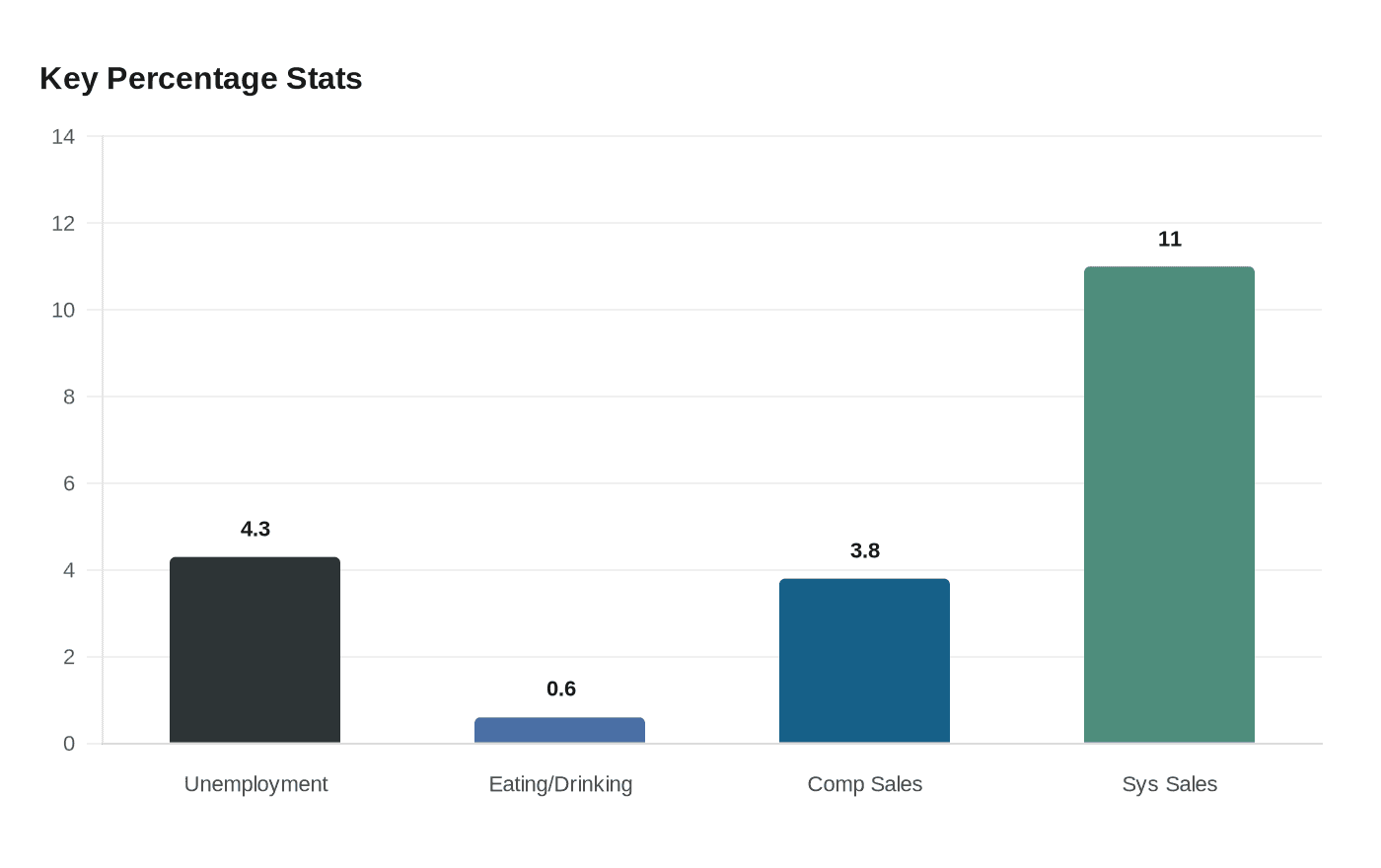
The Bureau of Labor Statistics said total nonfarm payrolls rose by 115,000 in April and unemployment held at 4.3%. Even so, retail trade employment has shown little net change over the past 12 months. That is the real signal for restaurant operators: hourly workers still have options, but the market is not loose enough to make hiring easy.

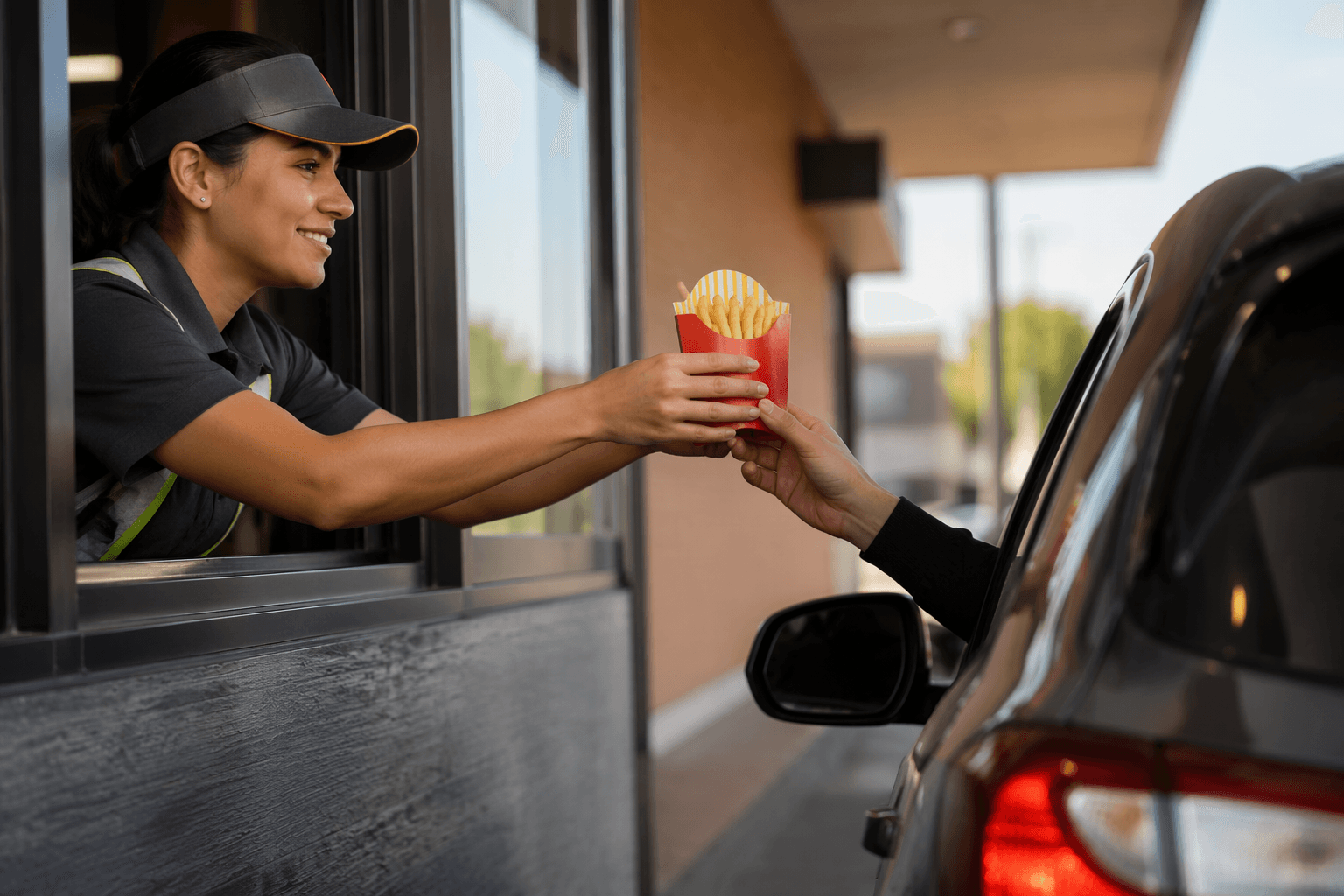
For McDonald’s, the pressure is likely to show up first in pay offers, schedule flexibility and how quickly a store can turn an applicant into dependable coverage on fries, front counter or drive-thru. It will hit hardest in restaurants that need part-timers on short notice or have to cover late-night and weekend peaks, where one no-show can throw off the whole line. The National Restaurant Association said eating and drinking places were still only 71,400 jobs, or 0.6%, above their February 2020 peak as of April, which helps explain why McDonald’s and other chains still have to fight for workers instead of assuming applicants will line up.
That labor reality sits behind McDonald’s own hiring strategy. Last year, McDonald’s and its franchisees said they expected to hire up to 375,000 employees in U.S. restaurants that summer, one of the company’s biggest hiring pushes in years. The chain has also spent more than $240 million on Archways to Opportunity since 2015 and said the program has helped more than 90,000 crew members earn diplomas, get tuition assistance, learn English or access career advising. For a system that relies heavily on franchise operators, those retention tools matter because recruiting starts over every time a shift blows up or a reliable worker quits.
The company’s latest results only raise the stakes. On May 7, McDonald’s said global comparable sales rose 3.8% in the first quarter of 2026 and systemwide sales increased 11% to more than $34 billion. That kind of growth does not remove staffing pressure; it sharpens it. If hiring stays competitive while demand remains uneven, operators will keep leaning on faster onboarding, cross-training and more automation, from kiosks to app ordering, to steady the floor and keep service from slipping when the labor market gets tight.
This article was produced by Prism’s automated news system from verified source data, official records, and press releases, then run through automated quality and moderation checks before publishing. The system is built and supervised by the people who set the standards it runs under. Read our full AI policy.
Did this article answer your question?