Takala Chantel Jones sues McDonald’s in Queens alleging E. coli contamination
A Queens resident sued McDonald’s alleging E. coli contamination at a restaurant, a case that raises food-safety and sick‑leave concerns for crew and management.
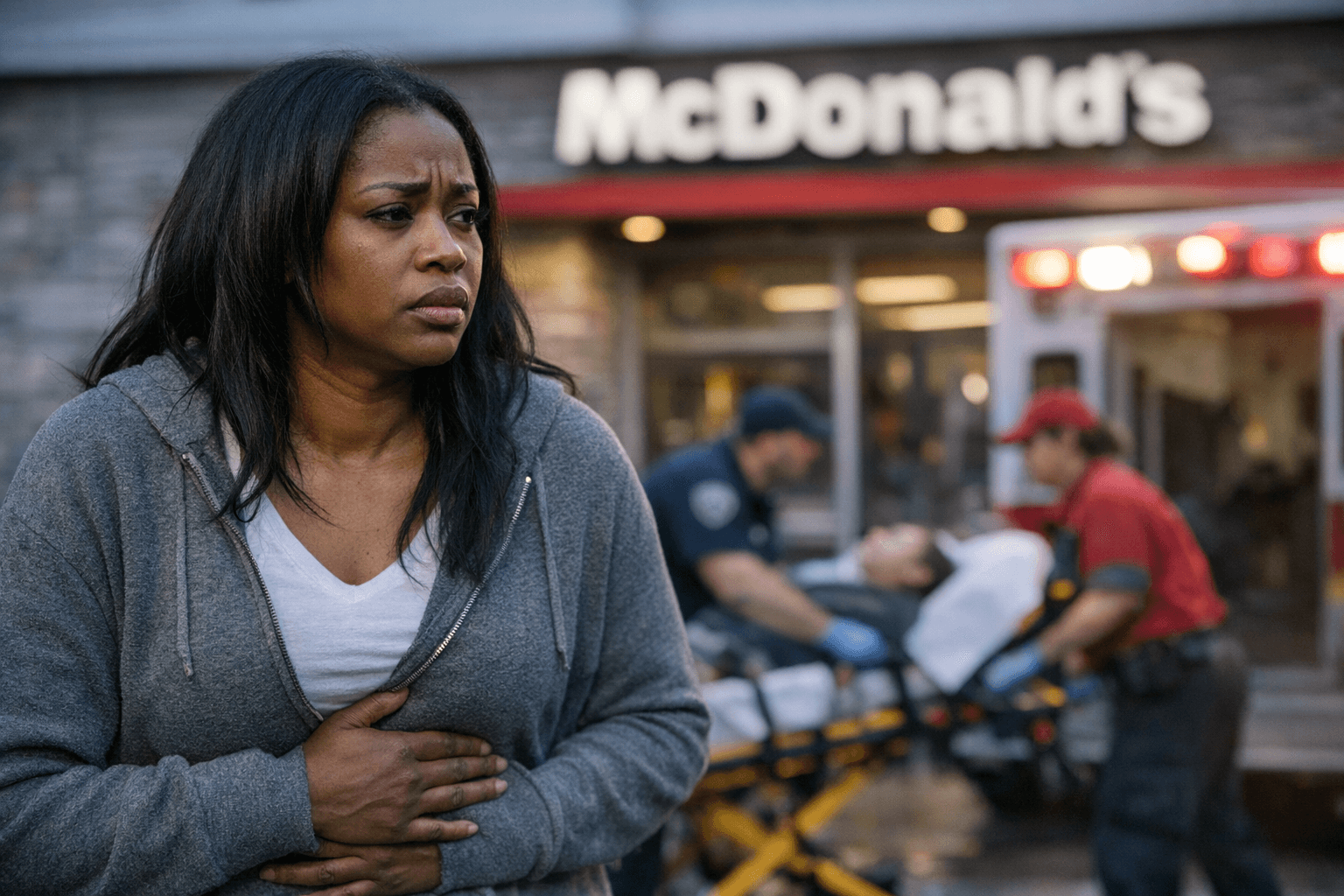
A product-liability and personal-injury lawsuit filed in Queens County accuses McDonald’s Corporation of E. coli contamination linked to its restaurant operations, a development that could intensify scrutiny of food‑safety practices and worker protections at the front line.
The complaint, filed February 6, 2026 in New York Supreme Court, Queens County, is captioned Takala Chantel Jones v. McDonald’s Corporation, D/B/A McDonald’s and carries case number 703638/2026. The filing alleges E. coli contamination and seeks relief under product-liability and personal-injury theory, according to court records. Beyond the legal caption, the complaint sets a formal dispute in motion that will be resolved through the state court process.
For McDonald’s crew members and shift supervisors, the suit underscores familiar workplace tensions. Foodborne‑illness claims often center on breakdowns in back‑of‑house sanitation, cross‑contamination controls, employee training and policies that influence whether symptomatic workers come to work. In restaurants where staffing is tight and turnover is high, workers and managers can feel pressure to meet service targets even when health concerns arise, increasing the risk of contamination events.
A court battle of this sort also can lead to operational consequences. Lawsuits alleging contamination may prompt health-department inquiries, inspections, mandated corrective actions, or temporary changes to store operations. Those outcomes can affect scheduling, hours, and pay for crew members while management handles compliance and potential remediation. For employees who become ill, the case highlights the importance of medical documentation, prompt reporting to supervisors, and knowledge of any paid sick-leave rights under local and state rules.
From an industry perspective, the complaint adds to ongoing conversations about how large franchise systems manage food safety at the store level. Corporate policies on supplier controls, standardized food‑handling procedures and training coexist with daily realities inside individual restaurants. When breakdowns arise, both corporate office oversight and on‑shift practices come under examination.
What comes next is a series of procedural steps in the Queens Supreme Court, where the defendant will have an opportunity to respond and the parties may exchange evidence. For McDonald’s crew and managers, the immediate implications are practical: stay informed about store directives, document any illness or safety concerns, and follow food‑safety protocols and local health guidance. The case will be one to watch for anyone interested in how food-safety allegations translate into workplace reforms, legal accountability and daily operational change.
This article was produced by Prism’s automated news system from verified source data, official records, and press releases, then run through automated quality and moderation checks before publishing. The system is built and supervised by the people who set the standards it runs under. Read our full AI policy.
Did this article answer your question?