Wage Theft Research Highlights Compliance Gaps for McDonald’s Teams
Research and guidance from the National Employment Law Project lays out common wage and hour violations that affect fast food and other low wage industries, including unpaid overtime, illegal tip pooling, off the clock work, and improper deductions. For McDonald’s workplace researchers and people teams these materials serve as a practical reference to identify systemic risks, strengthen training, and design remediation and enforcement strategies that protect workers and reduce legal exposure.
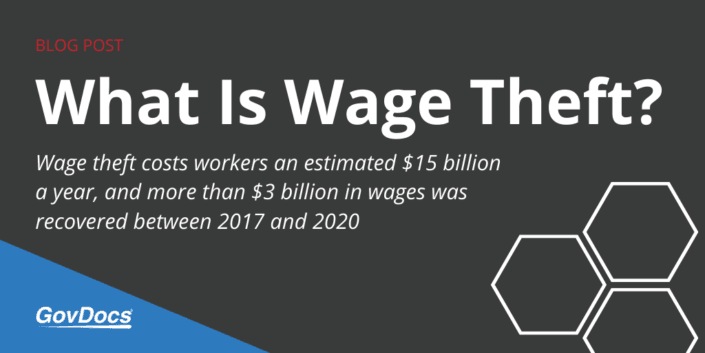
New research and guidance focused on wage theft and enforcement mechanisms paints a detailed picture of risks that are common in fast food and other low wage sectors. The work catalogs repeat violations such as unpaid overtime, illegal tip pooling, off the clock work, and improper deductions, and it outlines which worker groups are most vulnerable. For large employers with extensive workforces, including franchise networks, the findings underscore how small operational gaps can translate into wide scale losses for workers and liability for employers.
The materials are framed as an evergreen resource for human resources, compliance, and operations teams. They summarize enforcement tools and policy options that can reduce violations and improve remediation when problems arise. That makes the research immediately relevant to McDonald’s people teams, who must balance decentralized franchise operations with corporate standards, and to store managers responsible for day to day timekeeping, pay practices, and tip handling.

The implications for workers are direct. Wage and hour violations reduce take home pay, erode trust in management, and increase turnover among hourly staff. They also concentrate harm on workers least able to absorb lost earnings, compounding inequality in the labor market. For employers, persistent violations invite regulatory scrutiny, class action litigation, and public relations fallout that can affect recruiting and retention.
Practical steps suggested by the resource include using the research as the basis for targeted audits, clearer written policies on tipping and timekeeping, refresher training for managers, and defined remediation paths for employees who report violations. Integrating these practices into franchise agreements and operational checklists can help ensure consistency across locations.
As labor enforcement evolves, workplace teams at McDonald’s and similar employers will find value in treating detailed wage and hour research as part of standard risk management. Proactive compliance, transparent pay practices, and timely remediation protect workers and stabilize frontline operations.
This article was produced by Prism’s automated news system from verified source data, official records, and press releases, then run through automated quality and moderation checks before publishing. The system is built and supervised by the people who set the standards it runs under. Read our full AI policy.
Did this article answer your question?