What McDonald’s Workers Should Do When Harassment Occurs
This guide lays out step by step options for McDonald’s crew, shift managers, and corporate employees who face harassment, discrimination, retaliation, or workplace violence. It explains internal reporting channels, what evidence to collect, and the main external agencies and advocacy routes workers can use if internal processes do not resolve the problem.
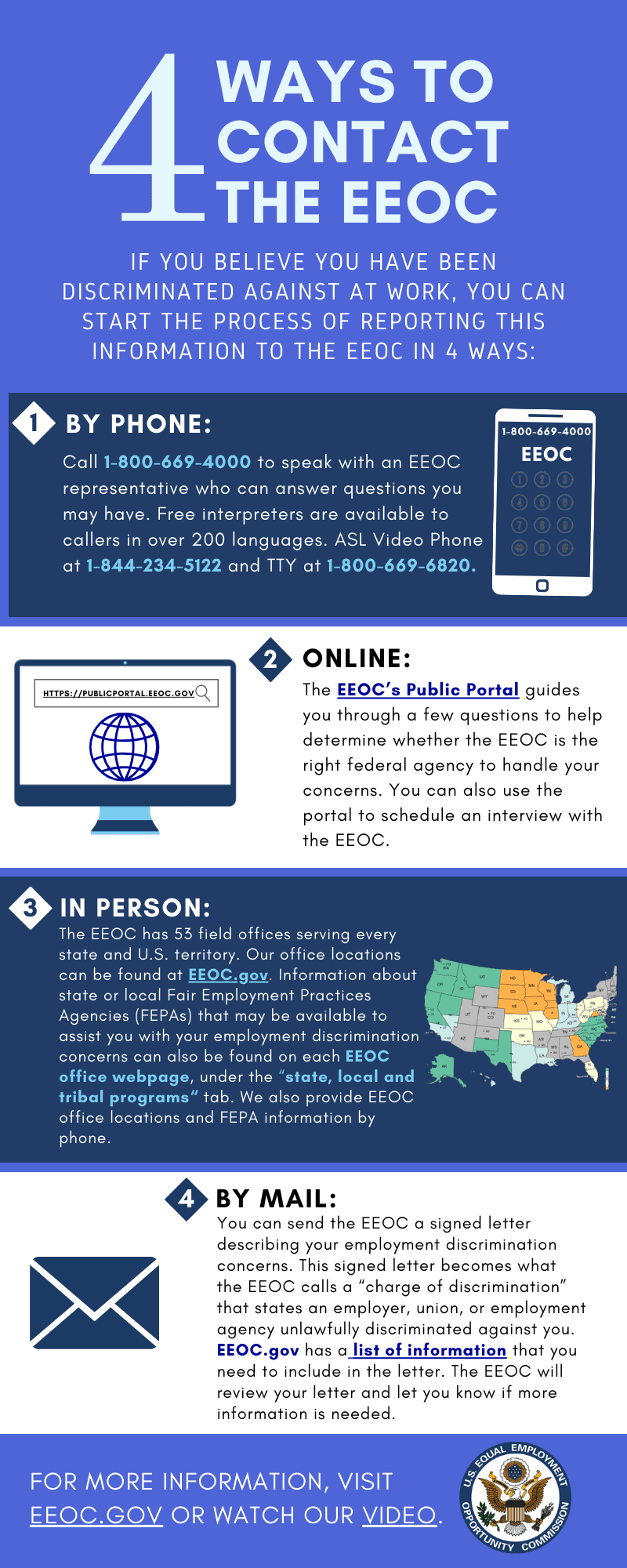
Employees who experience harassment, discrimination, retaliation, or workplace violence at McDonald’s should act promptly and document everything carefully. Start by telling a manager or the store human resources contact as soon as it is safe to do so. Note names, dates, times, exact words or actions, and any witnesses. Keep copies of photos and screenshots, pay stubs, schedules and any prior complaints in a secure place. Corporate materials state the company prohibits harassment and discrimination and provide EEO contact points for corporate roles, which appear in job listings and employee pages.
Use formal McDonald’s reporting channels when available. That typically means informing the store manager, then the owner operator or franchise human resources, and if needed escalating to corporate HR or a company hotline if provided. If the location is franchised, understand that the franchise level often handles frontline cases. Document every step taken and retain timestamps and copies of communications so there is a clear record of what you reported and when.
If internal reporting does not resolve the issue, or if the conduct involves protected characteristics or violence, there are external options. For suspected discrimination based on race, sex, pregnancy, religion, national origin, disability, age 40 or older, or another protected trait, workers may file a charge with the U.S. Equal Employment Opportunity Commission. The EEOC intake can begin online or at a local office, and strict time limits commonly apply, often 180 or 300 days depending on state law. For threats, assaults, or repeated violent incidents, OSHA provides guidance on workplace safety and can investigate complaints under the General Duty Clause. If immediate danger exists, call 911 first.

For collective action, retaliation for organizing, or unfair labor practices, contact the National Labor Relations Board, which accepts unfair labor practice charges and petitions for elections. When gathering evidence before filing, collect dates, times, locations, names and witness information, screenshots of texts and chats, photos of injuries or damage, schedules and timecards, video or audio that is lawfully obtained, medical records and police reports if applicable.
Workers have the right to a safe workplace and to report hazards without retaliation. Federal agencies and courts may find joint employer responsibility in some franchised situations, so keep careful records of who controls hiring, discipline, training and scheduling. For assistance, consider EEOC, OSHA and NLRB resources, local legal aid, worker centers or unions, and consult an employment attorney for next steps.
This article was produced by Prism’s automated news system from verified source data, official records, and press releases, then run through automated quality and moderation checks before publishing. The system is built and supervised by the people who set the standards it runs under. Read our full AI policy.
Did this article answer your question?

