Yuka says McDonald’s Big Mac has 40 ingredients, far above site listing
Yuka said McDonald’s Big Mac lists 7 ingredients online but has more than 40 in reality, reigniting questions about additives, sugars and transparency.
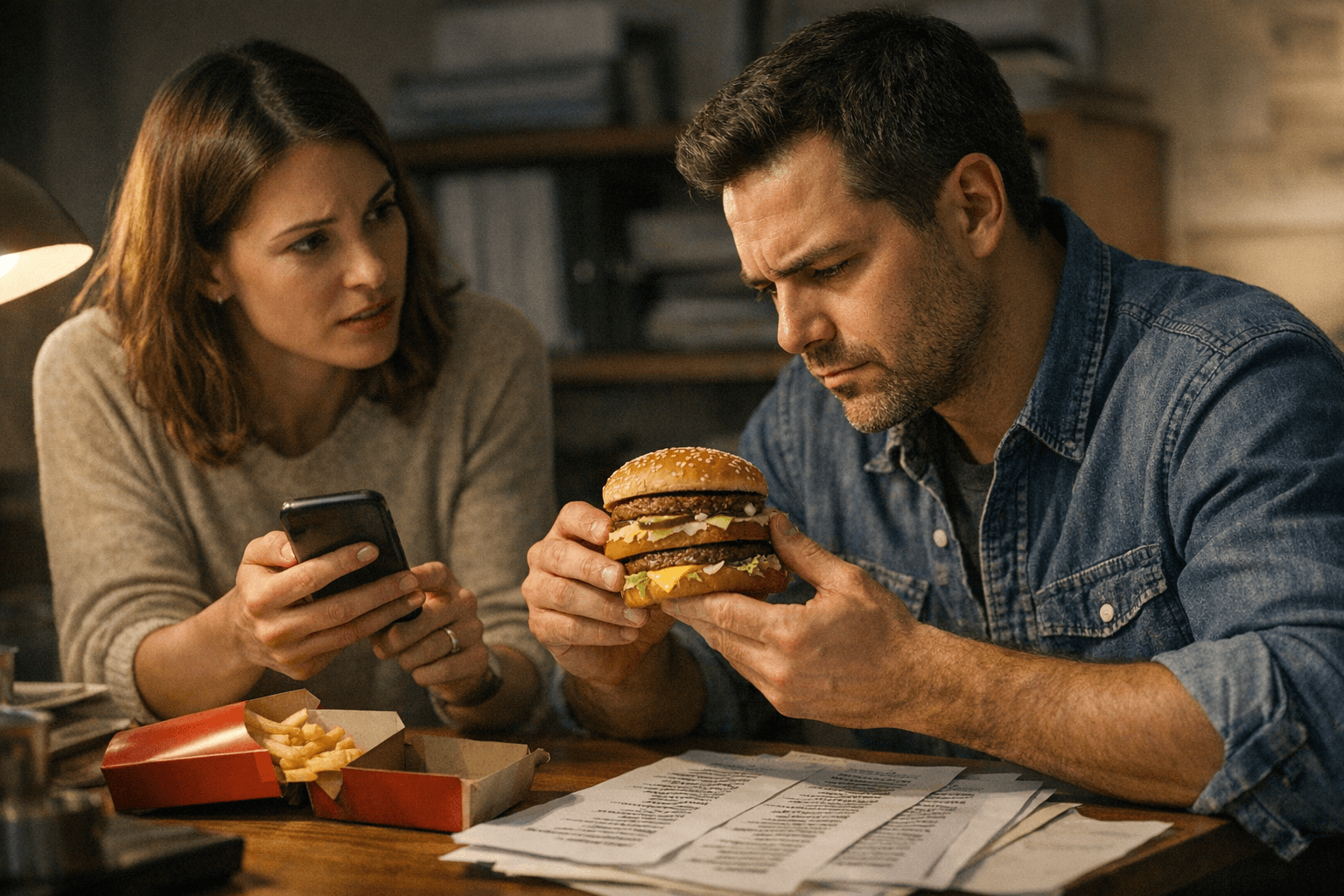
McDonald’s Big Mac has become a trust test. Yuka said the sandwich has more than 40 ingredients in reality, a far cry from the stripped-down version McDonald’s highlights on its site, and the gap is now driving new scrutiny over additives, sugars and what customers are not seeing at first glance.
On McDonald’s U.S. product page, the Big Mac is described as two 100% beef patties with Big Mac Sauce and a sesame seed bun. The company’s nutrition and ingredients page says it provides current ingredient information from food suppliers and allergen information for the eight most common allergens. In the U.K., McDonald’s describes the burger just as simply, as two patties made from 100% beef stacked on cheese, lettuce, onion, pickles and its famous sauce. Its ingredients FAQ says additives, including preservatives, are only used when absolutely necessary and points customers to online nutrition tools for full ingredient declarations.
That simplicity is exactly what Yuka is challenging. The app says it is 100% independent, with no funding from brands or manufacturers, and says it deciphers product labels and analyzes the health impact of food products and cosmetics. Yuka has argued that the Big Mac fits a broader pattern in which ultra-processed foods are presented in clean, consumer-friendly language while the full ingredient list tells a more complicated story. The group says ultra-processed foods are linked to obesity, diabetes, cancer and cardiovascular disease, and that the issue is not just calories but the number and type of additives that consumers do not see at a glance.
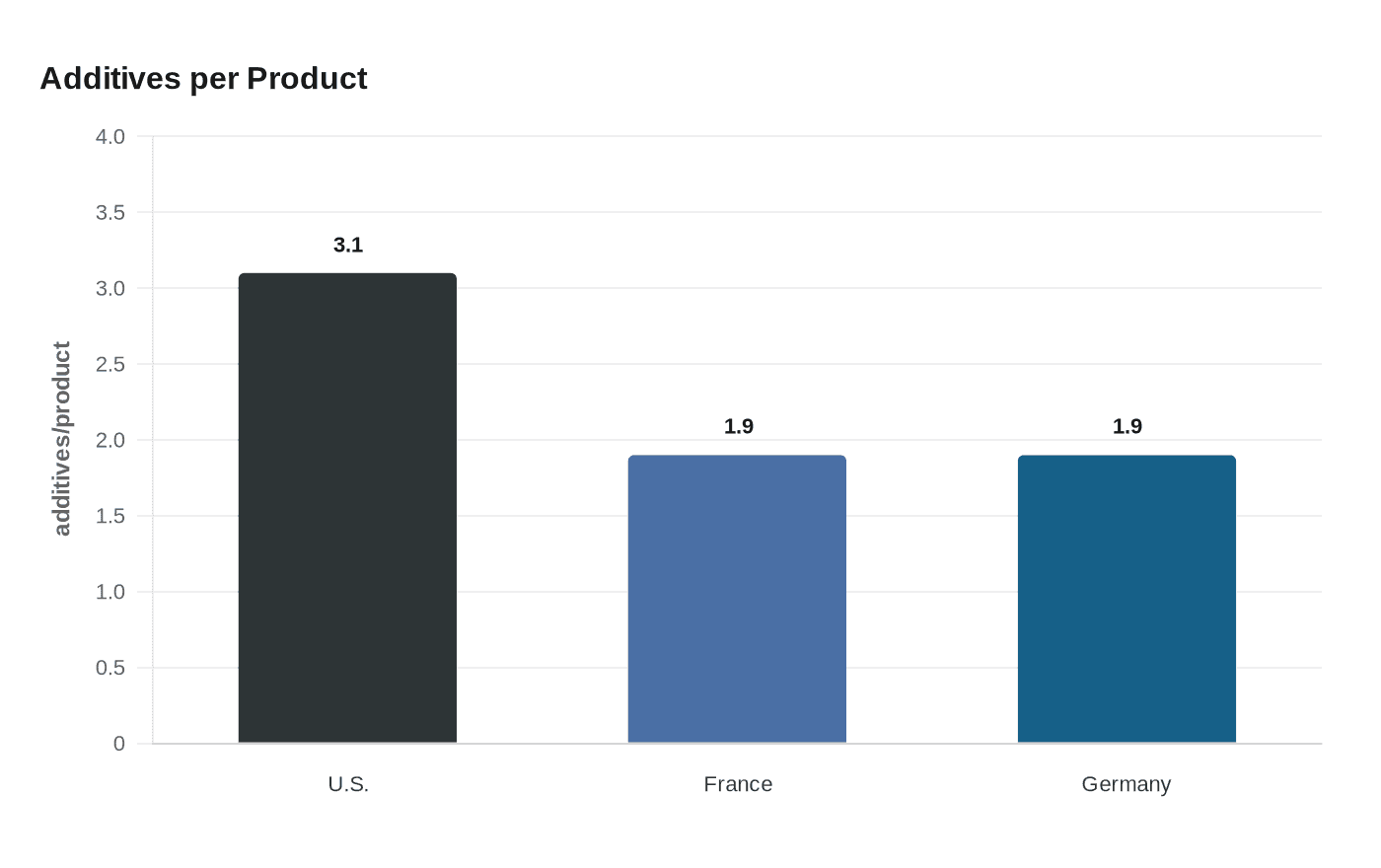
Yuka also put the Big Mac dispute into a wider price and policy context. It said processed foods in the United States contain an average of 3.1 additives per product, compared with 1.9 in France and Germany, and said products without high-risk additives are, on average, 63% more expensive than products with high-risk additives. For crew members, shift managers and franchise operators, that matters because they are usually the ones facing the questions when customers ask why a burger advertised as simple has a much longer ingredient declaration behind it. The tension is familiar in McDonald’s culture, where corporate messaging and store-level reality do not always line up neatly.
McDonald’s has tried to soften some of that criticism before. In a 2017 corporate story about its Seven Classic Burgers initiative, the company said it had removed artificial preservatives from some ingredients in its classic burgers, including Big Mac Special Sauce and the Big Mac bun. That history makes the current mismatch harder to ignore: the company has already tried to clean up the recipe story, but the full ingredient list still leaves workers and customers sorting through a brand promise that looks a lot simpler than the product itself.
Know something we missed? Have a correction or additional information?
Submit a Tip