ADP says talent development helps Monday.com retain and grow employees
monday.com’s growth story depends on keeping people, not just hiring more of them. ADP’s playbook shows how clear paths and coaching cut replacement costs.

Why talent development matters to monday.com’s bottom line
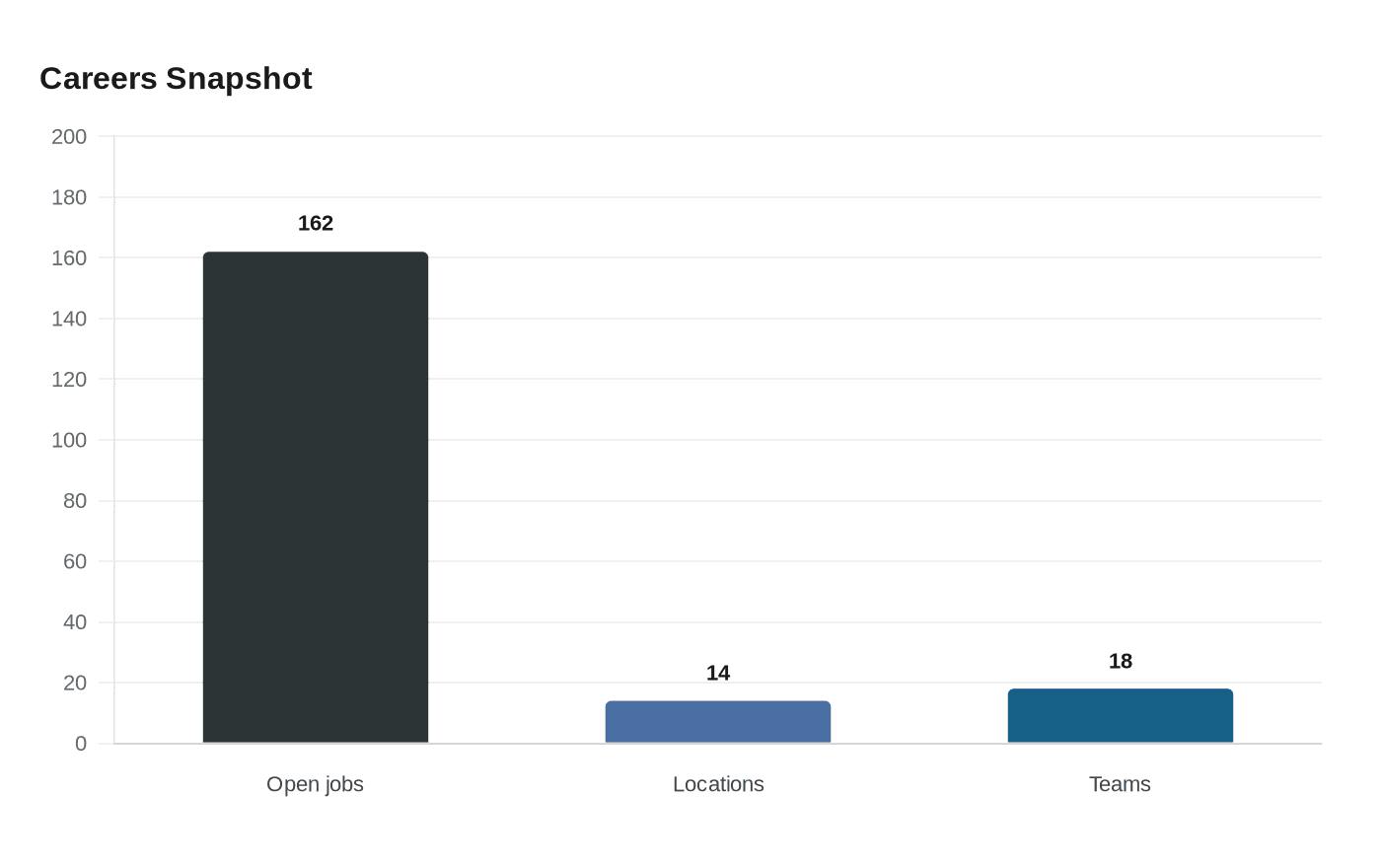
monday.com still had 162 open jobs across 14 locations and 18 teams in the latest careers snapshot, even after reporting $1.232 billion in fiscal 2025 revenue and 27% year-over-year growth. That is exactly why ADP’s case for talent development lands as a retention story, not an HR slogan: when a company is scaling this fast, every engineer, product manager, and seller who stays and grows is cheaper to retain than to replace.

The business case goes beyond headcount. monday.com says more than 250,000 customers worldwide use the platform, and its February 2026 results showed that customers with more than $50,000 in ARR accounted for 41% of total ARR. That mix raises the stakes for internal capability, because larger customers usually bring more complex workflows, deeper integrations, and more demanding support. ADP’s point is simple: development can lift productivity, customer satisfaction, innovation, and profitability, which makes it an operating advantage for a company like monday.com, not just a benefit for employees.
What growth is supposed to look like inside the company
monday.com’s own careers language lines up closely with that view. The company says career growth can mean deepening expertise, building new skills, or exploring a different path, and it says employees have access to learning programs, mentorship, and development opportunities. That framing matters because it tells people they do not need to leave in order to keep advancing.
The hiring process reinforces the same idea. monday.com describes it as a conversation that starts with a recruiter, continues through a skills task or interview, and ends with a meeting with future teammates. For workers trying to judge whether development is real or just polished recruiting copy, that sequence is a useful signal. It suggests the company wants to look at capability, collaboration, and fit, not just current job titles.
The practical signs that retention is weakening
ADP’s guidance is most useful when it is translated into the day-to-day signals managers can actually see. Growth usually starts to stall when high performers are doing the same work quarter after quarter, with no added scope, no visible path to promotion, and no chance to learn adjacent systems or new customer segments. At monday.com, that matters in every function because the company is still adding roles across a broad global footprint that includes Tel Aviv, New York, Denver, London, Warsaw, Sydney, Melbourne, São Paulo, and Tokyo.
The other warning sign is manager quality. If feedback only arrives at annual review time, or praise is not tied to specific expectations and next steps, people tend to interpret that as a dead end. Internal mobility is the clearest test of whether the culture is helping people stay: if open roles keep going external while internal candidates never seem to move, the company is quietly teaching employees that advancement happens elsewhere.
What monday.com already has in place
monday.com has already built several pieces of the development stack that ADP recommends. The company says it has a dedicated Learning and Development team, AI workshops, bootcamps, and internal hackathons. It also points people to a Learning Center that includes a Knowledge Base and monday academy, which offers lessons, webinars, training, and certifications. Those are the kinds of tools that make growth feel structured instead of accidental.
The company’s own blog makes the same argument in more human terms, saying work becomes more meaningful when team members feel they are continuing to learn, develop, and advance. That is a useful reminder for a SaaS business where product changes, customer expectations, and AI capabilities can shift quickly. A learning culture is not just a perk for employees who enjoy classes; it is a way to keep the organization current without forcing people to go find new employers every time they outgrow a role.
The same logic shows up in job postings. A Senior Team Manager, Customer Success role says the manager is responsible for leading and developing Customer Success Managers, accelerating their growth, and shaping retention and growth outcomes for Enterprise and Mid-Market customers. Another service-team posting describes the group as offering the stability, data, and mentorship of a world-class engineering organization. That is not fluffy language, it is a retention blueprint: the company is connecting coaching, team performance, and customer outcomes in the same job.
What managers can implement this quarter
The most effective development programs are usually the least theatrical. For monday.com managers, the next quarter is enough time to make growth visible if the work is deliberate.
- Map each direct report to a concrete next step, whether that is deeper technical ownership, larger account scope, or broader product responsibility.
- Replace vague praise with specific promotion criteria, so people know what improved performance actually looks like.
- Hold regular development check-ins separate from performance reviews, so growth is discussed before someone starts looking elsewhere.
- Pair employees with both senior mentors and peer mentors, since monday.com already treats mentorship as part of the growth model.
- Use learning programs as part of the job, not something people squeeze in after hours. That is especially important in engineering, where new systems and AI-enabled workflows can change what strong performance looks like.
- Watch for internal mobility. If a team is developing people well, transfers and promotions should become visible, not exceptional.
For monday.com, this is where retention, culture, and operating performance meet. The company is still hiring, still expanding, and still serving a large and growing customer base. In that environment, talent development is not a soft promise. It is one of the lowest-cost ways to protect execution, keep strong people, and make growth compound from the inside out.
This article was produced by Prism’s automated news system from verified source data, official records, and press releases, then run through automated quality and moderation checks before publishing. The system is built and supervised by the people who set the standards it runs under. Read our full AI policy.
Know something we missed? Have a correction or additional information?
Submit a Tip