Google Cloud unveils Gemini Enterprise Agent Platform for agentic workforces
Google Cloud pushed Gemini Enterprise Agent Platform as the new control plane for AI agents, while monday.com answered with agent onboarding, governance, and permissions.
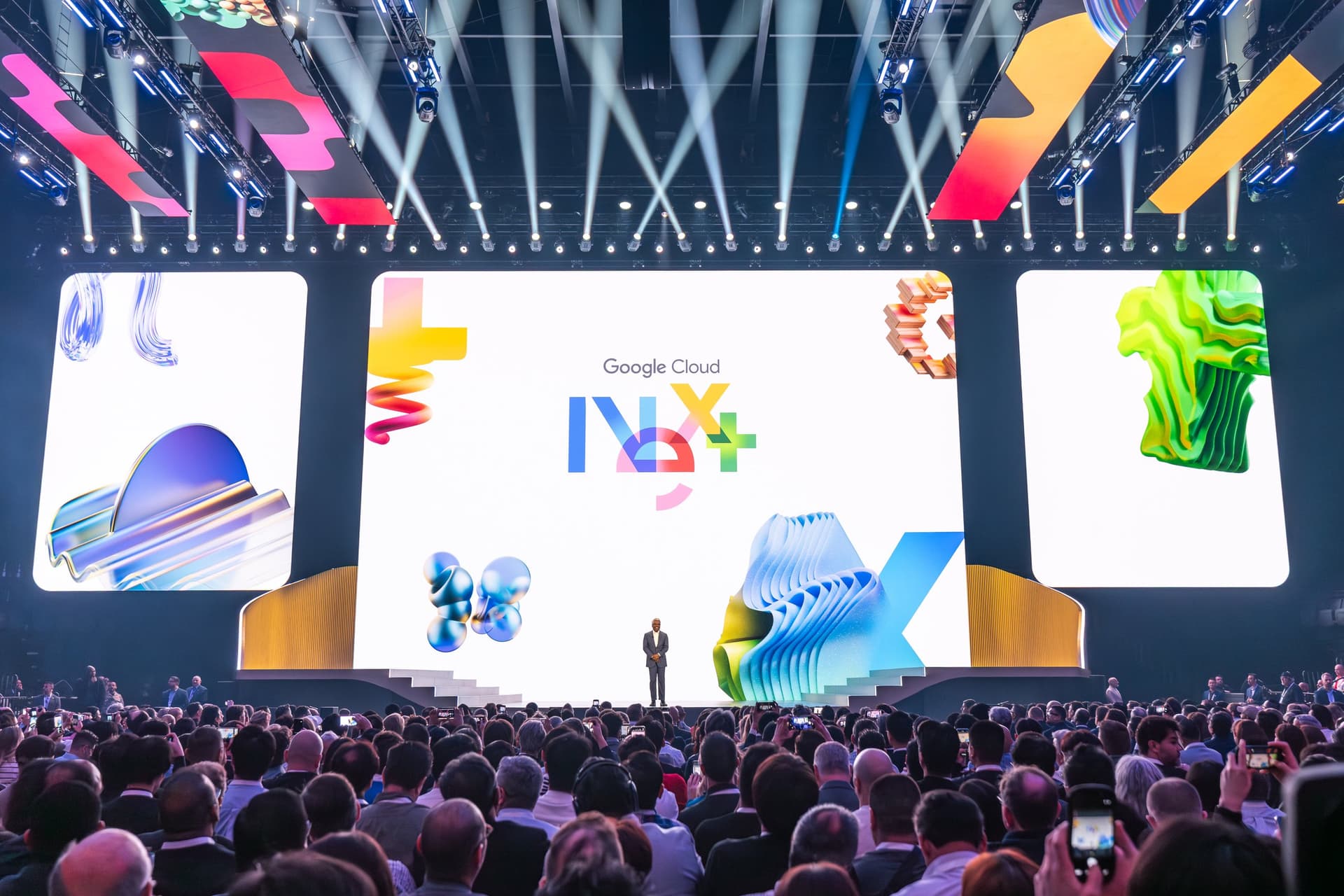
Google Cloud used its Next ’26 stage in Las Vegas to make a blunt case: enterprise AI was moving past chat windows and into the operating stack. The company said Gemini Enterprise Agent Platform was the next step in Vertex AI, built to let teams build, scale, govern and optimize agents with a low-code Agent Studio, an upgraded Agent Development Kit, a re-engineered Agent Runtime for long-running work, and Memory Bank for persistent context.
The real shift was governance. Google said the platform centered on Agent Identity, Agent Registry and Agent Gateway, then added Agent Simulation, Agent Evaluation and Agent Observability so companies could test and monitor agents before and after deployment. Google’s documentation described the platform as an open system for enterprise-grade agents grounded in enterprise data, which matters because the pitch is no longer about one-off assistants. It is about software that can keep state for days, move through business processes, and still be tracked, constrained and audited.

Google also framed the market as already in production, not pilot mode. Nearly 75% of Google Cloud customers were using its AI products, the company said, and over the past 12 months 330 customers each processed more than one trillion tokens while 35 crossed the 10-trillion-token mark. For workplace teams, that is a sign the buying questions are changing. Security reviews, audit trails and workflow reliability are becoming more important than flashy demos.
That pressure lands directly on monday.com. On March 11, 2026, monday.com said external AI agents could sign up, access the platform and execute work alongside human teams, with the same governance, security and permissions standards as employees. The company said monday sidekick was its first operational AI agent embedded in the platform, while the monday agent builder was still in beta. In Monday’s framing, agents are no longer side features. They are becoming part of the core work graph.
The competition is now about where the workflow layer lives. Google is pushing a cloud-native agent stack that brings model selection, model building and agent building into one platform. monday.com is arguing that the work management layer itself can become the control point, with AI agents managing boards, assigning tasks and generating insights while monday.com remains the source of truth. That distinction matters for engineers building integrations, product managers deciding where automation is governed, and sales teams selling into larger accounts that now expect proof, not promises.
The numbers at monday.com explain why this race is sharpening. Fourth-quarter 2025 revenue reached $333.9 million, up 25% year over year, and full-year revenue grew 27%. The company said monday vibe was the fastest product to top $1 million in annual recurring revenue in its history, and customers with more than $50,000 in ARR now made up 41% of total ARR. Record net adds above $100,000 in ARR suggest monday.com is selling deeper into the kind of enterprise accounts that will demand the same thing Google is now emphasizing: agents that can be governed, observed and trusted at scale.
Know something we missed? Have a correction or additional information?
Submit a Tip