Google folds Display Ads into Demand Gen, reshaping campaign strategy
Google is pulling Display Ads into Demand Gen, forcing marketers to rethink attribution, creative tests and budget splits before legacy campaigns are auto-migrated.
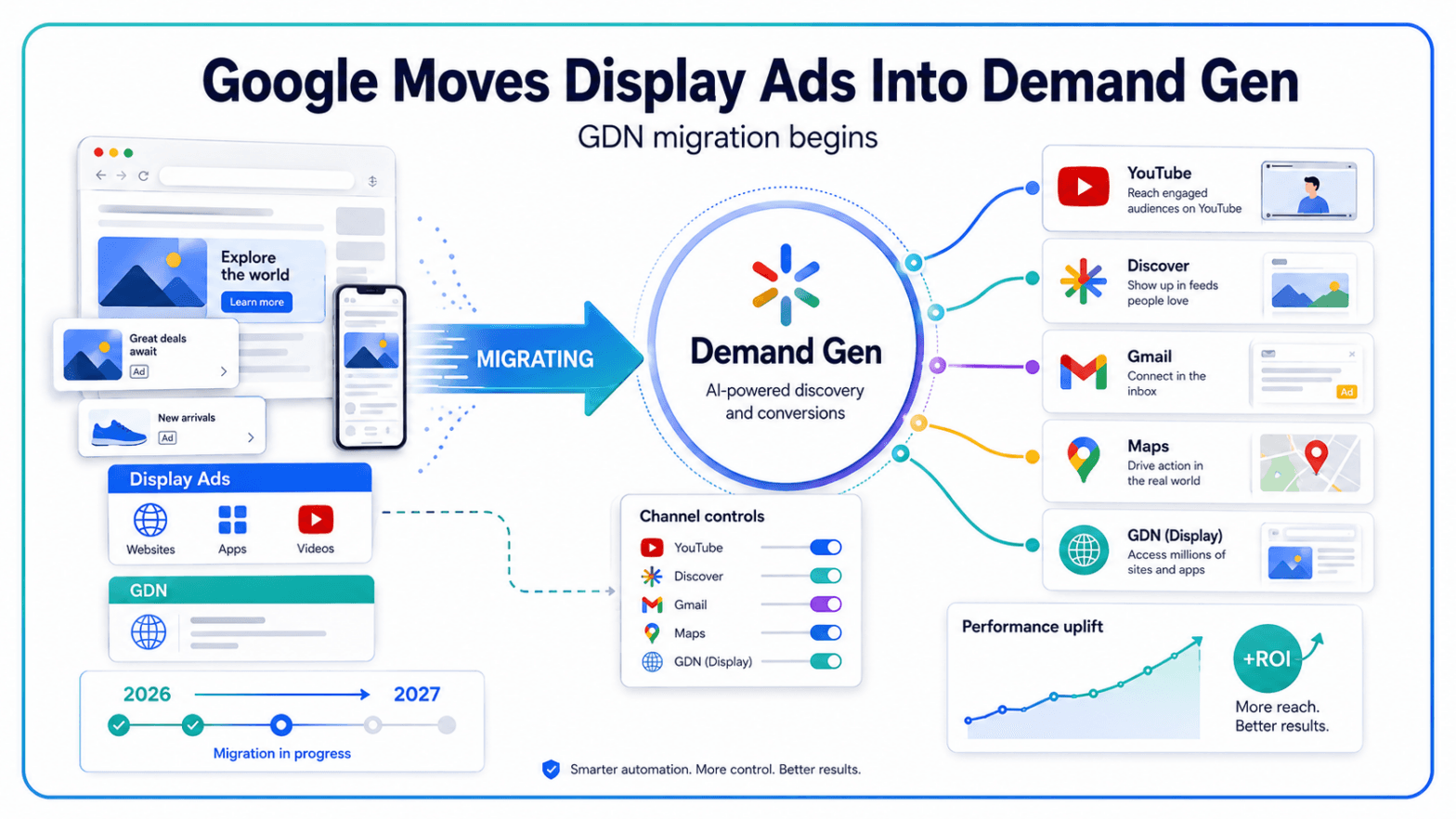
Google is pulling Display Ads into Demand Gen, and that is not just a naming change. Eligible advertisers can now move existing campaigns with a migration tool in Google Ads, new Display campaigns will eventually be created only inside Demand Gen, and any remaining eligible campaigns will later be migrated automatically.
For monday.com teams in marketing, sales operations and revenue operations, the immediate work is operational. Campaigns built around Display alone have to be reworked for a broader system that spans YouTube, including Shorts, Discover, Gmail, Maps and the Google Display Network. Reporting will need to separate what changed because of placement, what changed because of creative, and what changed because Google is pushing more AI-assisted targeting and optimization into the buying process.

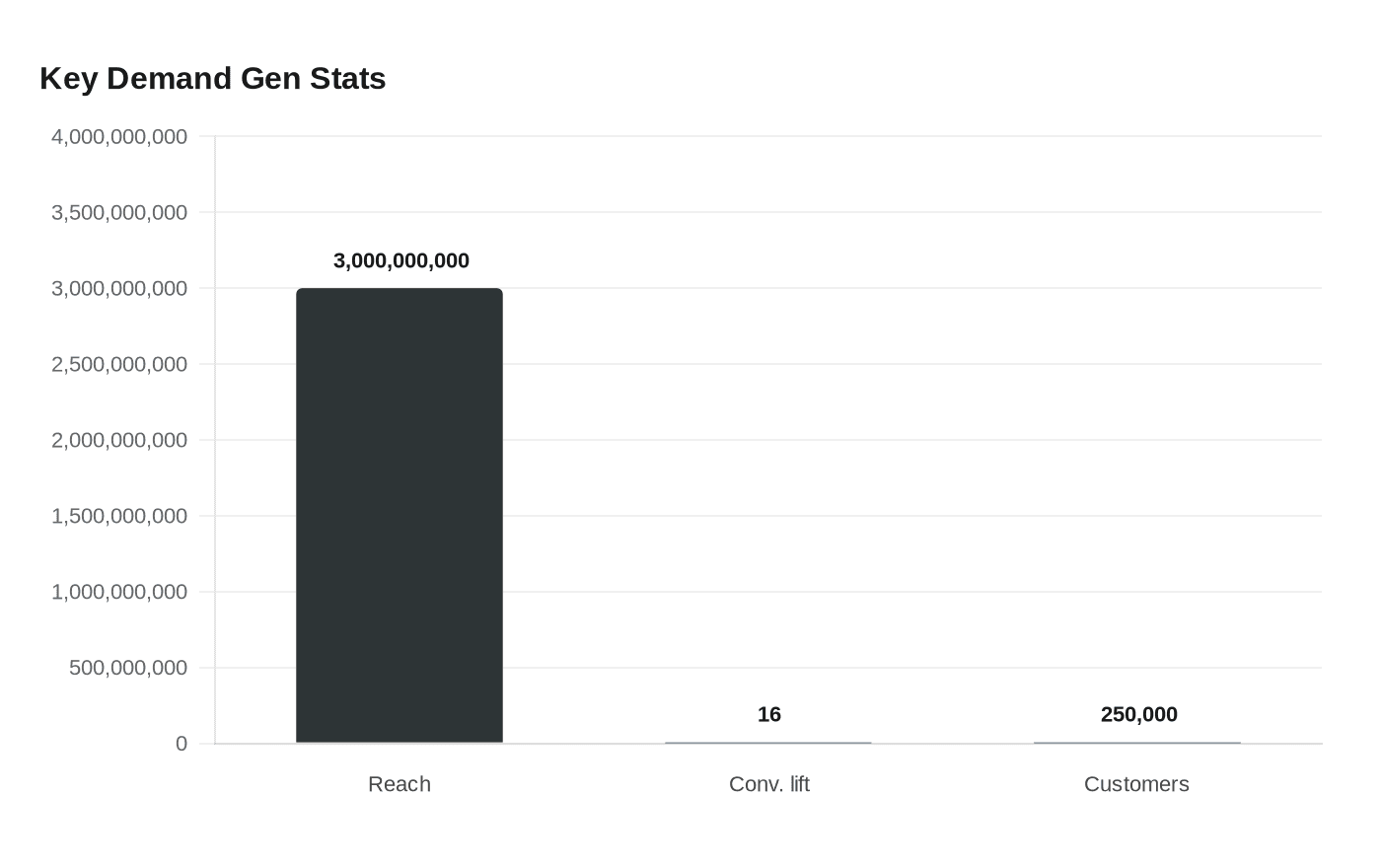
That matters because Demand Gen is not a narrow replacement. Google says it can reach up to 3 billion monthly users across its visual surfaces, and it has already said advertisers who added the Google Display Network to Demand Gen saw, on average, a 16% lift in conversions in testing. At the same time, channel controls began rolling out in March 2025, giving advertisers more say over where ads show, including the option to serve on YouTube Shorts only. Teams that had been treating Display as a relatively stable line item now have to revisit audience splits, placement assumptions and the tests used to justify spend.
The bigger shift is in measurement. If a monday.com demand-gen team is explaining performance to leadership, the old Display reporting framework may no longer hold up cleanly once campaigns are folded into Demand Gen. Attribution models, lead-quality reviews and funnel assumptions will all need a reset, especially if launches depend on how fast leads are routed and how quickly sales can work them. The practical question is no longer whether Display works in isolation, but how much of the result came from the new campaign structure and how much came from the mix of surfaces Google is bundling together.
Google says all Display & Video 360 customers can create Demand Gen line items too, which widens the impact beyond Google Ads managers. For a company like monday.com, which says it has more than 250,000 customers worldwide and positions marketing operations around structured processes, technology and data, the change reinforces a familiar reality: media buying is becoming more centralized, more opinionated and more tied to revenue outcomes. Teams that do not rebuild their campaign architecture now will end up doing it under pressure later, when the migration becomes mandatory instead of optional.
This article was produced by Prism’s automated news system from verified source data, official records, and press releases, then run through automated quality and moderation checks before publishing. The system is built and supervised by the people who set the standards it runs under. Read our full AI policy.
Know something we missed? Have a correction or additional information?
Submit a Tip