IRS Topic 427 explains monday.com equity compensation tax timing
Equity at monday.com can turn into a tax bill long after the grant. The key is knowing when the clock starts, and that depends on the plan type, exercise, and sale.
In the first six months of 2025, monday.com employees purchased 37,861 ordinary shares under the company’s 2021 Employee Share Purchase Plan at an average price of $226.01 per share. The tax moment that matters for that equity is not the day the award lands in your inbox. It is the day the IRS treats that award as income, and for stock options and employee stock purchase plans, that moment can be very different from the moment you feel you earned the shares. For engineers, product managers, and sales professionals at a fast-growing public SaaS company, that gap is where expensive surprises happen.
The first question is what kind of equity you actually hold
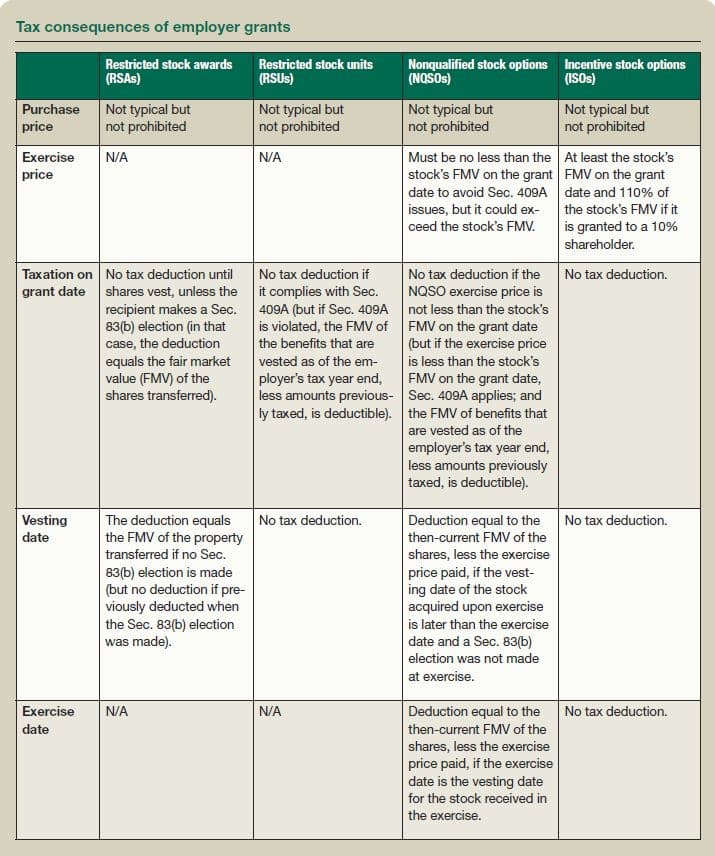
The IRS draws a hard line between statutory stock options and nonstatutory stock options. Statutory awards include incentive stock options, or ISOs, and options granted under an employee stock purchase plan, or ESPP. Those generally are not taxed when granted or exercised, but the stock can create taxable income or a deductible loss when it is sold.
In its June 30, 2025 interim financial statements, monday.com Ltd. and Subsidiaries reported that in the same period of 2024, employees purchased 39,840 shares at an average price of $150.10 per share. The company also reported unamortized share-based compensation expense of $241,268 as of June 30, 2025, to be recognized over a weighted average period of 1.88 years.
For a worker deciding whether to hold, sell, or exercise, equity at monday.com arrives through a sequence of decisions, and each step can change the tax result.
Grant, exercise, sale: the three decision points that matter
The IRS framework is built around timing. Grant is when the award is promised. Exercise is when you buy the shares, if you have an option. Sale is when you dispose of the stock, and that is often when the tax story becomes real.
For statutory stock options, the grant itself usually does not trigger tax. Exercise often does not trigger ordinary income either, but the holding-period rules can determine whether the later sale gets favorable treatment. If you sell too soon, the tax result can change. If you hold long enough, the outcome can be different again.
A vesting date is not the same thing as a tax date, and a tax date is not always the same thing as a cash date. Someone can feel financially richer the moment shares vest or the moment an ESPP purchase settles, but still owe tax later, possibly when the stock price has moved, cash has already been redeployed, or the company’s stock performance has changed the economics of the trade.
ISOs and ESPPs have their own reporting trail
The IRS requires Form 3921 for each transfer of stock pursuant to the exercise of an incentive stock option. It requires Form 3922 for each transfer of legal title of stock acquired under an employee stock purchase plan. Employees should receive Form 3921 after exercising an ISO and Form 3922 after the first transfer or sale of ESPP stock.
Those forms connect the grant, exercise, and sale dates to the right tax treatment. Form 3921 can matter because exercising an ISO may require inclusion of some fair market value in alternative minimum taxable income. You can exercise an ISO and still create a tax issue even if you have not sold the shares yet.
Nonstatutory options are different enough to require a fresh look
The IRS also treats nonstatutory stock options differently, especially when fair market value is readily determinable. That means the tax timing can shift depending on the facts of the award, rather than following the cleaner statutory rules that govern ISOs and ESPPs.
Employees should not assume every equity grant at monday.com works the same way. A public software company can use multiple forms of compensation, and the tax result depends on the plan type, not on the brand name of the employer. If you do not know whether your award is an ISO, an ESPP share purchase, or a nonstatutory option, you are missing the first question the IRS wants answered.
Before you exercise or sell, you need to know what plan you are in, what date starts the holding period, and whether your transaction could touch alternative minimum tax.
Why this matters at monday.com specifically
monday.com was incorporated in Israel and commenced operations in 2012, then grew into a public SaaS business that reported fourth-quarter 2024 revenue of $268.0 million, up 32% year over year, in a February 10, 2025 earnings release.
This article was produced by Prism’s automated news system from verified source data, official records, and press releases, then run through automated quality and moderation checks before publishing. The system is built and supervised by the people who set the standards it runs under. Read our full AI policy.
Did this article answer your question?