Microsoft Copilot Gains Multi-Model AI and Agentic Tools, Raising Stakes for Monday.com
Microsoft's Critique workflow pits GPT against Claude to check each other's work; Copilot Cowork now automates long tasks across Teams, SharePoint, and monday.com.

Microsoft shipped two substantial additions to its 365 Copilot platform on March 30: a multi-model research capability that runs OpenAI's GPT and Anthropic's Claude in deliberate opposition to each other, and a new agentic tool called Copilot Cowork that handles long-running, multi-step work across multiple applications. For monday.com, both moves land simultaneously as partnership opportunity and competitive threat.
The multi-model capability, built around workflows named Critique and Council, works by having one model draft a response while a second model reviews it for accuracy, citation quality, and coverage gaps before the result reaches the user. The design directly addresses hallucination risk in enterprise research tasks, which has been a persistent obstacle to AI adoption in work management. Critique and Council are immediately relevant to enterprise accounts already paying for M365 that are weighing whether to consolidate their automation stack inside Copilot rather than spread it across point SaaS tools.
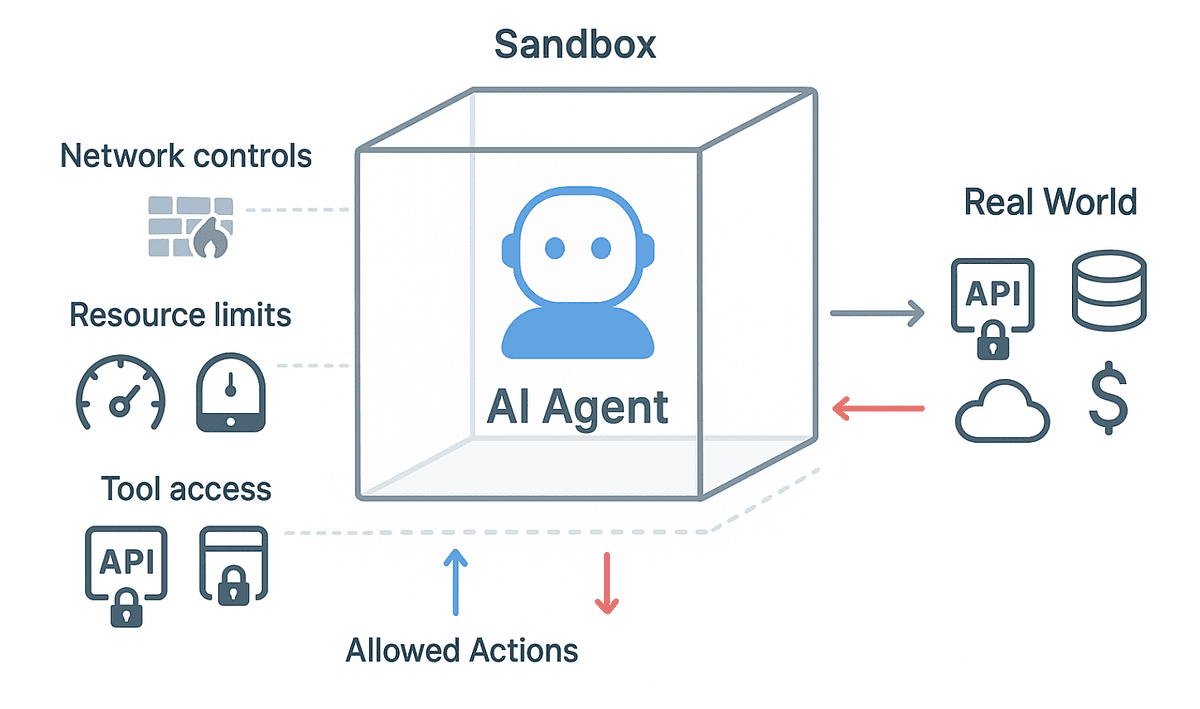
Copilot Cowork, currently available through Microsoft's Frontier early-access program, is positioned as the agentic layer for long-horizon tasks: coordinating actions across apps like email, SharePoint, and Teams over workflows that can't be completed in a single session. Because monday.com has an official Copilot connector, it sits inside the blast radius of whatever Cowork agents are commissioned to do. That's both the opportunity and the risk: monday.com items could become targets for Copilot-initiated reads and writes, but only if the integration holds up under production-grade agentic load.
The engineering work that follows is unglamorous but consequential. Monday.com's platform and integrations teams need to confirm that permissions mapping and data indexing hold correctly when Researcher's multi-model flows query monday.com content, validate that Copilot Cowork's long-running agents surface and update monday.com items reliably across protracted workflows, and instrument telemetry for Copilot-originated writes so enterprise IT administrators have auditability and rollback capability when an agent does something unexpected.
That last point matters more than it might seem. Enterprise buyers evaluating an agentic M365 stack will ask pointed questions about data residency, retention policies, and how Copilot queries are logged against monday.com's security posture. Sales and customer success teams without clear answers risk losing deals to Microsoft-native alternatives.
The more durable sales play is positioning monday.com not as a competitor to Copilot Cowork but as the execution surface where Copilot-driven plans land, get tracked, and get measured. Proof-of-concept demos showing a Copilot-initiated action producing a measurable business outcome inside monday.com, without the user ever leaving their M365 environment, are the pitch that closes in this environment.
Microsoft's move also tightens the talent picture. Agent orchestration, identity and permission bridging, and telemetry for AI-driven automation are the engineering disciplines that make the Copilot connector durable rather than fragile. Monday.com's job listings have already been pointing toward those skills; the Frontier launch makes them considerably more urgent.
Know something we missed? Have a correction or additional information?
Submit a Tip