Monday sidekick uses work context to sharpen AI answers
Sidekick is monday.com’s answer to the generic chatbot problem: it uses boards, files, and search to cut status chasing and make AI feel built into the job.
Why context is the real AI test
The daily-friction test for workplace AI is simple: does it save you from hunting down context that already lives inside your tools? monday sidekick is built around that question. Instead of acting like a generic chatbot that starts from scratch, it pulls from monday content, attached files, web search, and advanced language models so answers are tied to the work already in motion.
That shift matters inside monday.com because it changes AI from a novelty into something people can use before a meeting, during a customer call, or while triaging a project. If the assistant can summarize the board, clarify a task, surface background, and point to the right file without making you bounce across tabs, it becomes part of the workflow rather than another destination to check.
How sidekick is embedded in the work
Sidekick is available from the colorful AI star icon at the board level and also next to individual item names. That placement is more important than it sounds. It means the assistant sits inside the objects people already work from, which makes it easier to ask a question at the exact moment confusion shows up.
That embedded design is part of monday’s broader attempt to avoid the familiar chatbot trap: useful on a demo, detached in practice. monday sidekick is not built just for open-ended prompts. It is designed to answer questions using the specific work objects already sitting in a monday account, which makes it better suited to the messy reality of real teams, where the answer is often spread across boards, updates, attachments, and meetings.
What it can actually help with day to day
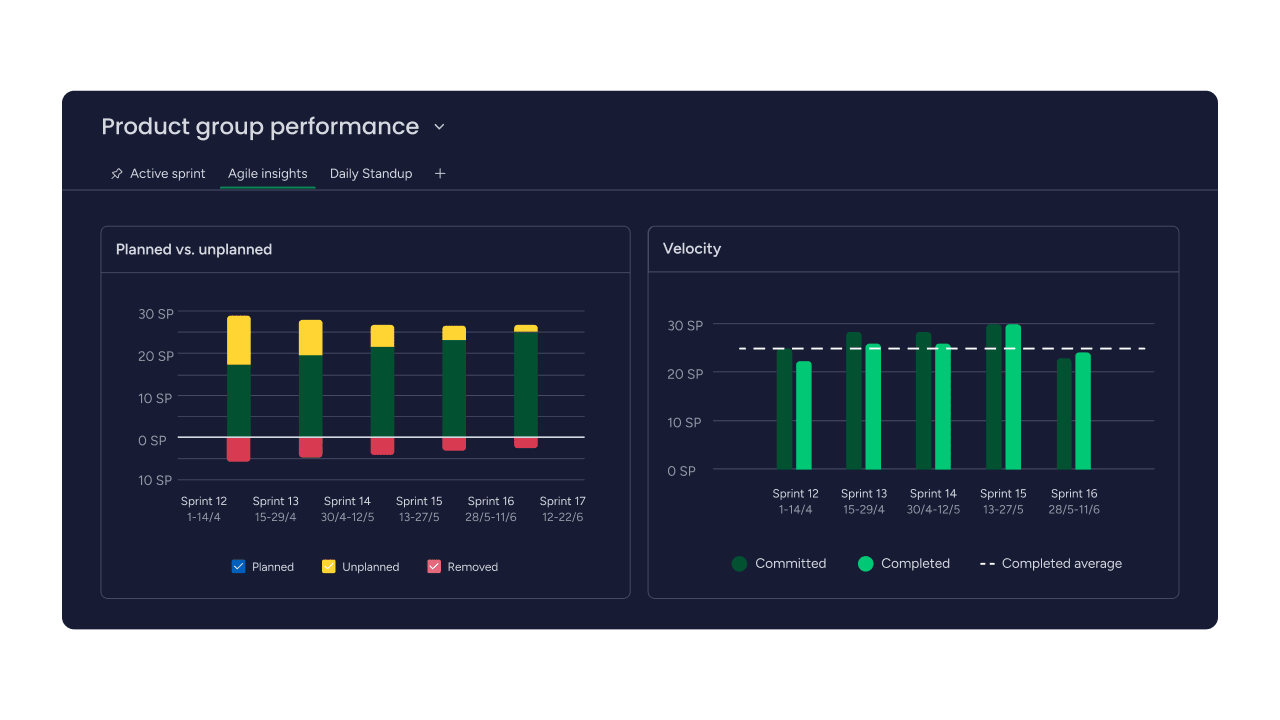
The practical use cases are straightforward, and that is the point. Sidekick can help with summaries, status updates, background research, task clarification, and quick decision support. For product managers and team leads, that can mean less time spent digging through boards before a meeting and more time spent acting on what matters.
For sales and customer-facing teams, the value is speed. A representative trying to answer a customer question does not want a generic explanation, they want the latest internal context plus any supporting detail already attached to the account or project. For engineering and operations teams, the appeal is even more direct: quicker retrieval of the right details without bouncing between systems, and fewer moments where a simple answer turns into a scavenger hunt.
That is where the daily-friction test becomes visible. Better retrieval changes habits. It can cut the number of status pings, reduce document hunting, and make employees more willing to use AI for real work because the assistant is not forcing them to re-explain the whole project every time.
What monday is saying about the product
monday.com introduced sidekick on July 10, 2025, alongside monday magic and monday vibe, as part of what it called a broader shift from work management to work execution. The company described sidekick as a “personalized, context-aware digital worker” tailored to each individual and aware of their company, role, and responsibilities. It also said the tools were built in response to real customer needs.
That framing matters because it shows how monday wants buyers to understand its AI strategy. This is not a consumer-style chatbot bolted onto a work app. It is a platform bet that AI should understand the structure of work first, then respond inside that structure. By the time monday said the tools were fully available at Elevate 2025, sidekick had already become part of a larger product story about AI that works inside monday, not beside it.
By early 2026, monday was describing sidekick as its first operational AI agent embedded within the platform. That language signals a bigger ambition than simple Q&A. It suggests monday sees sidekick as a working layer across boards, items, files, and integrations, with enough context to be trusted inside enterprise workflows.
Why the business numbers matter here
The AI story does not sit apart from monday’s business momentum. In its fourth quarter of 2025, monday reported revenue of $333.9 million, and full-year revenue of $1.23 billion, up 27% year over year. The company also said sidekick handled more than 500,000 user messages in the quarter, which is a useful sign that this is not just a showcase feature sitting idle in the product.
The customer base helps explain the strategy. monday says more than 250,000 customers worldwide use the platform, and customers with more than $50,000 in annual recurring revenue represented 41% of total ARR in the fourth quarter of 2025. That mix matters because enterprise customers usually care less about flashy AI and more about whether the tool understands permissions, structure, and business context. In that environment, context-aware retrieval is not a nice-to-have. It is part of the enterprise sales case.
The bigger platform bet
sidekick also fits into monday’s larger AI stack, which now includes AI agent tools and marketplace integrations. That matters for teams inside monday.com because the company is effectively saying that AI will be most valuable when it is stitched into the same system people already use to manage work, not exported to a separate app or chat window.
For engineers, that creates a familiar product challenge: context, retrieval, and permissions have to work cleanly or the assistant becomes noisy and untrusted. For product managers, the opportunity is clearer: every reduction in context switching can turn into time saved across meetings, handoffs, and follow-ups. For sales, the promise is response quality under pressure. And for anyone trying to use AI in a real company, the message is consistent: the assistant is only as good as the work it can see.
That is why sidekick is interesting beyond the usual AI launch rhetoric. monday is not just claiming that its assistant can answer questions. It is arguing that the best workplace AI will understand the objects, files, and responsibilities people already rely on. If that holds, the real win is not cleverness. It is fewer interruptions, faster decisions, and a tool people actually trust enough to use every day.
This article was produced by Prism’s automated news system from verified source data, official records, and press releases, then run through automated quality and moderation checks before publishing. The system is built and supervised by the people who set the standards it runs under. Read our full AI policy.
Did this article answer your question?