Monday.com guide defines empowerment as ownership, not just delegation
Monday.com says empowerment only works when people own outcomes, not just tasks. The real test is whether teams decide faster, not whether they wait for more approvals.
Ownership is the point, not the slogan
Monday.com’s newest empowerment guide draws a line that matters inside any SaaS company that runs on cross-functional execution: delegation is not the same as ownership. Handing someone a task can keep work moving on paper, but monday.com argues that real empowerment means giving people the authority, resources, and confidence to make decisions and own the result.
That distinction is especially sharp for engineers, product managers, sales teams, and customer success teams working in a company that sells software meant to remove bottlenecks from work itself. If the operating model still depends on approval chains, empowerment becomes a label, not a management practice.
What monday.com says empowerment actually means
The guide frames empowerment as a business-performance strategy, not a culture slogan. Teams that are truly empowered are supposed to move faster, solve problems closer to where they happen, and improve the process instead of just finishing the assignment. In practice, that means a manager is not simply assigning work and checking for status updates. The manager is creating the conditions for judgment.
The company is also explicit about the boundary: empowerment is not abdication. Leaders still need clarity, feedback loops, and alignment around outcomes. That matters because the weak version of empowerment is often just management without follow-through, where people are told to “take ownership” but are denied the context needed to make a good call.
Why the distinction matters at monday.com
This is not a vague leadership essay from a company far removed from operations. monday.com says it has more than 250,000 customers worldwide, and its investor materials describe it as an AI work platform spanning work management, CRM, service, and dev. That makes the company’s own internal operating style part of its product credibility. If the software is built to reduce approval-heavy workflows, the company’s management model has to reflect that same logic.
The numbers reinforce the scale of that promise. In the fourth quarter of 2025, monday.com reported revenue of $333.9 million, up 25% year over year. Full-year 2025 revenue rose 27%, and non-GAAP operating margin reached 14%. The company also said customers with more than $50,000 in annual recurring revenue made up 41% of total ARR in the quarter, a sign that larger organizations are leaning harder on monday.com for mission-critical workflows. That kind of growth puts pressure on teams to make decisions locally without turning every change into a review cycle.
What ownership looks like for engineers, PMs, and go-to-market teams
For engineers, empowerment should mean more than being told to “own” a service or feature. It means squad-level authority over technical decisions, with the architecture, standards, and tradeoffs visible enough that the team can move without waiting for every layer of sign-off. If the code ships faster but every design choice still has to be escalated, the team has delegation without ownership.
For product managers, the guide points to a familiar trap: broad accountability without real decision rights. PMs can be made responsible for outcomes while still being boxed in by approval rituals, especially when roadmap calls, launch timing, or scope changes require serial sign-off. The healthier model is a set of guardrails that lets product teams act quickly, keep stakeholders aligned, and course-correct through feedback rather than permission.

For sales and customer success leaders, the same principle applies in the field. Reps need enough context to adapt in the moment while staying consistent with strategy, pricing, and customer promises. Empowerment here is not improvisation for its own sake. It is the ability to solve customer problems without having to stop the conversation and wait for a manager to decode the next move.
The tools help only if the workflow changes too
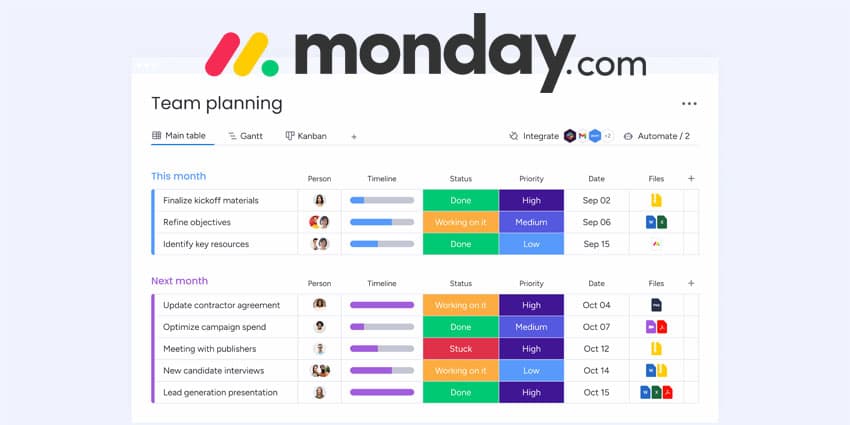
Monday.com argues that its own work-management software supports empowerment through visibility, automated workflows, and cross-functional alignment. That is an important point, but it cuts both ways. A platform can make work visible, yet visibility alone does not create ownership if teams are still waiting for permission from above.
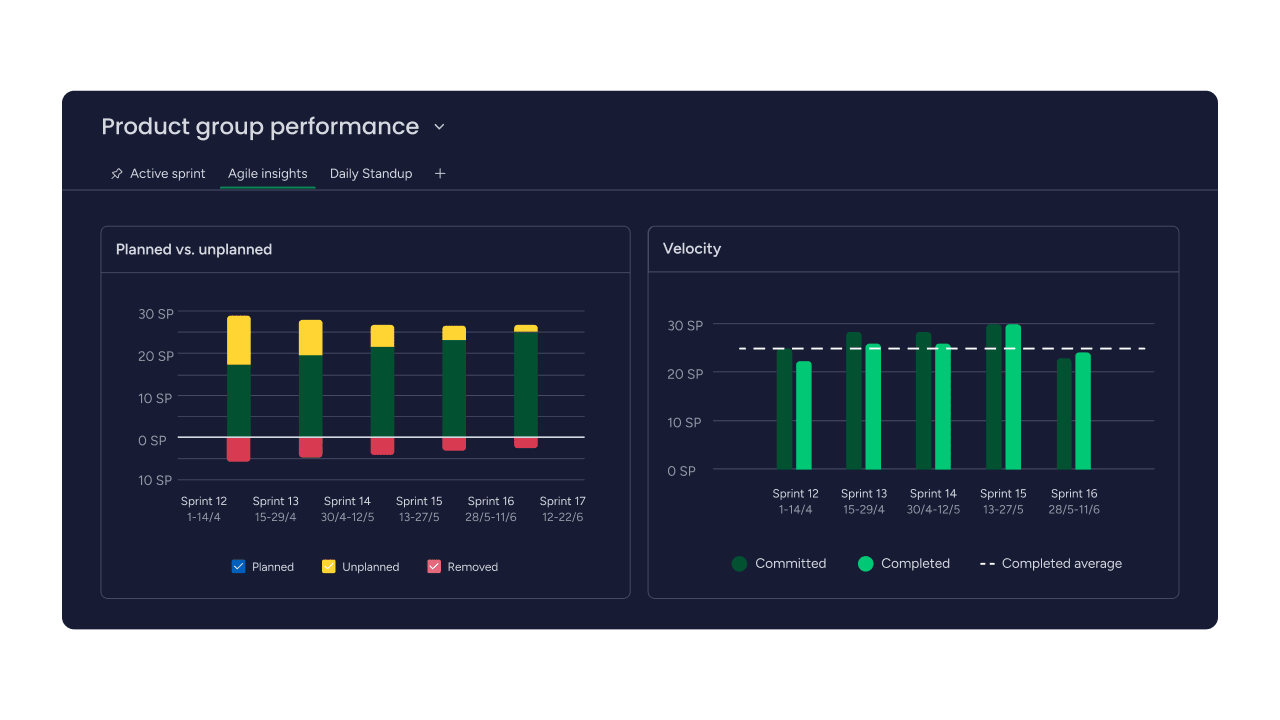
The operational test is whether dashboards, boards, and workflow automation are used to clarify who decides what. When the system shows ownership clearly, people can act with context. When it only shows activity, it can become another layer of supervision. The difference is subtle on a product demo and obvious in the day-to-day experience of shipping work.
The metric test is practical, not philosophical
Monday.com says the value of empowerment is measurable. If people are making faster decisions, collaborating more effectively, and taking ownership of outcomes, the system is working. If they are waiting on permission, empowerment is just a slogan. That is a useful standard because it pushes managers away from abstract culture language and toward observable operating behavior.
The broader management research backs up that focus on execution. Gallup says managers account for 70% of the variance in team engagement, which puts a heavy burden on the quality of day-to-day leadership. Gallup’s engagement dashboard also shows U.S. employee engagement at 31% and global engagement at 20%, reminders that many organizations still struggle to create conditions where people can do meaningful work without constant friction. The Project Management Institute has likewise tied high-performing teams to culture, empowerment, engagement, and resilience, which is another way of saying that speed and accountability depend on how work is designed.
Monday.com has been making this case for years
The 2026 guide is not monday.com’s first pass at the subject. In a 2022 post on employee empowerment, the company argued that empowered employees tend to be more engaged and cited a Forbes-reported survey of 7,000 employees, in which highly empowered workers landed at the 79th percentile for engagement. That older framing was about engagement. The newer one is more operational. It connects empowerment to decision speed, collaboration, and resilience.
That shift matters. A company can celebrate empowerment as a value, but the real test is whether it redesigns workflows so people can actually act on it. The 2025 annual report, filed on March 13, 2026, shows the company pairing that language with the financial discipline of a public SaaS business. Monday.com is effectively arguing that ownership is not a soft concept sitting beside performance. It is part of performance.
In a company selling tools to reduce coordination drag, empowerment has to mean more than handing out tasks and calling it trust. It means clearer decision rights, better context, and visible accountability. Anything less is not empowerment. It is just another queue.
This article was produced by Prism’s automated news system from verified source data, official records, and press releases, then run through automated quality and moderation checks before publishing. The system is built and supervised by the people who set the standards it runs under. Read our full AI policy.
Did this article answer your question?