monday.com guide shows how to manage workplace change successfully
monday.com’s guide treats change as a rollout problem, not a memo problem, for a company serving more than 250,000 customers and topping $1.232 billion in FY2025 revenue.
In Q2 2024, monday.com closed an 80,000-seat agreement, the largest deal in company history. A company serving more than 250,000 customers worldwide, posting $972 million in FY2024 revenue and $1.232 billion in FY2025 revenue, cannot afford to treat new tools, new packaging, or new org structures as simple announcements. It has to move people from the current state to the future state without breaking execution, and that is exactly where a practical change playbook becomes useful.
Why change management matters in a SaaS company that keeps moving
In FY2024, monday.com reported 112% net dollar retention, $972 million in revenue, and 3,201 customers in the $50K-plus ARR cohort; in FY2025, those figures moved to 110% net dollar retention, $1.232 billion in revenue, and 4,281 customers in that same cohort. monday.com filed its 2024 annual report on Form 20-F with audited financial statements for the year ended December 31, 2024.
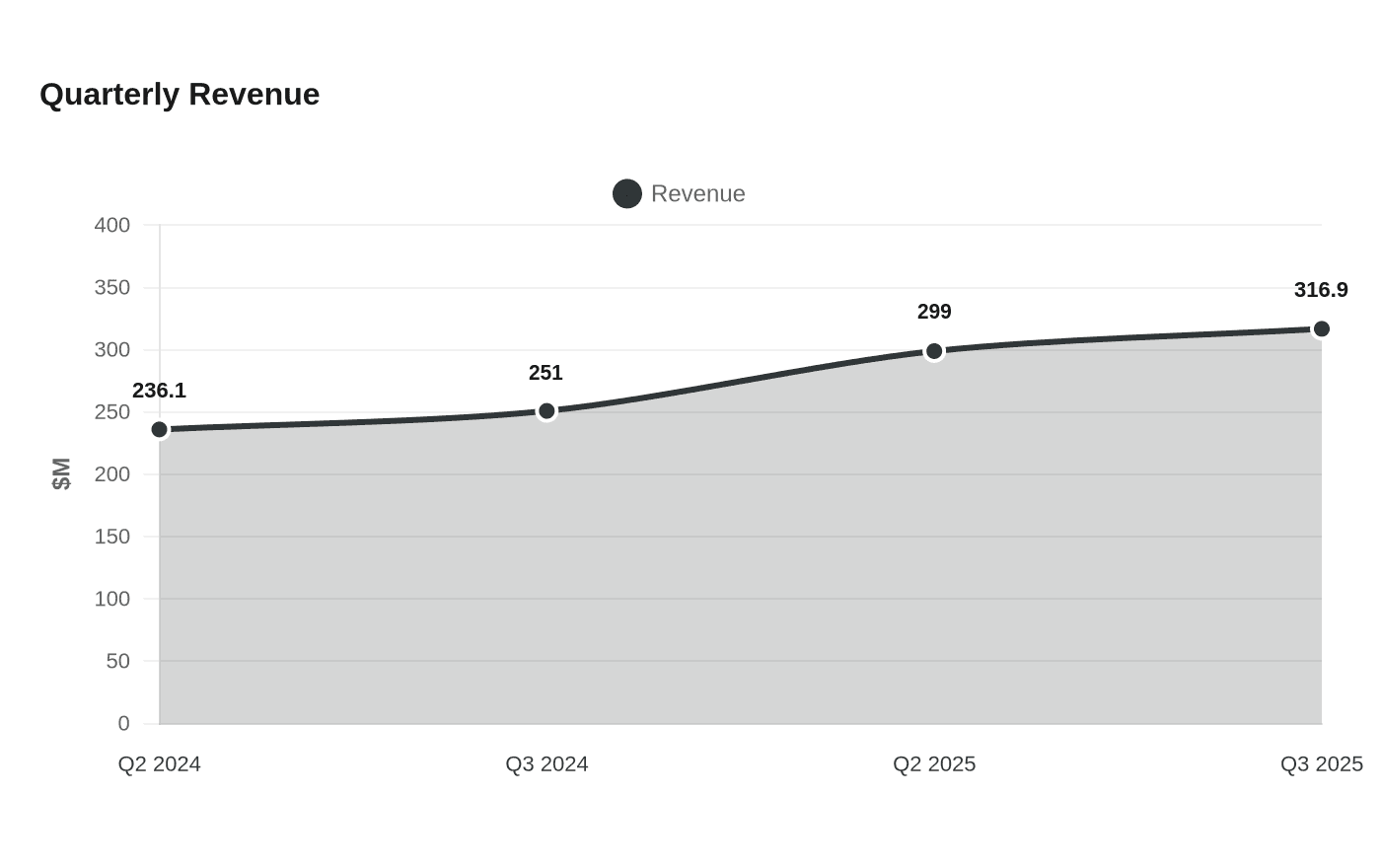
Quarterly results show the same pattern of constant motion. In Q2 2024, monday.com reported revenue of $236.1 million and reached GAAP operating profitability. In Q3 2024, revenue rose to $251.0 million and annual recurring revenue surpassed $1 billion, while its second-largest customer more than doubled its seat count to 60,000. By Q2 2025, revenue had reached $299.0 million and monday CRM had hit $100 million in ARR. In Q3 2025, revenue was $316.9 million, new products accounted for more than 10% of total ARR, and more than 60,000 apps had been built on monday vibe in about three months.
Product managers, engineers, and sales teams are not working in a steady-state company. They are working in a business where feature launches, packaging changes, AI upgrades, and customer expansions can all collide at once.
Start with stakeholder mapping, not a rollout memo
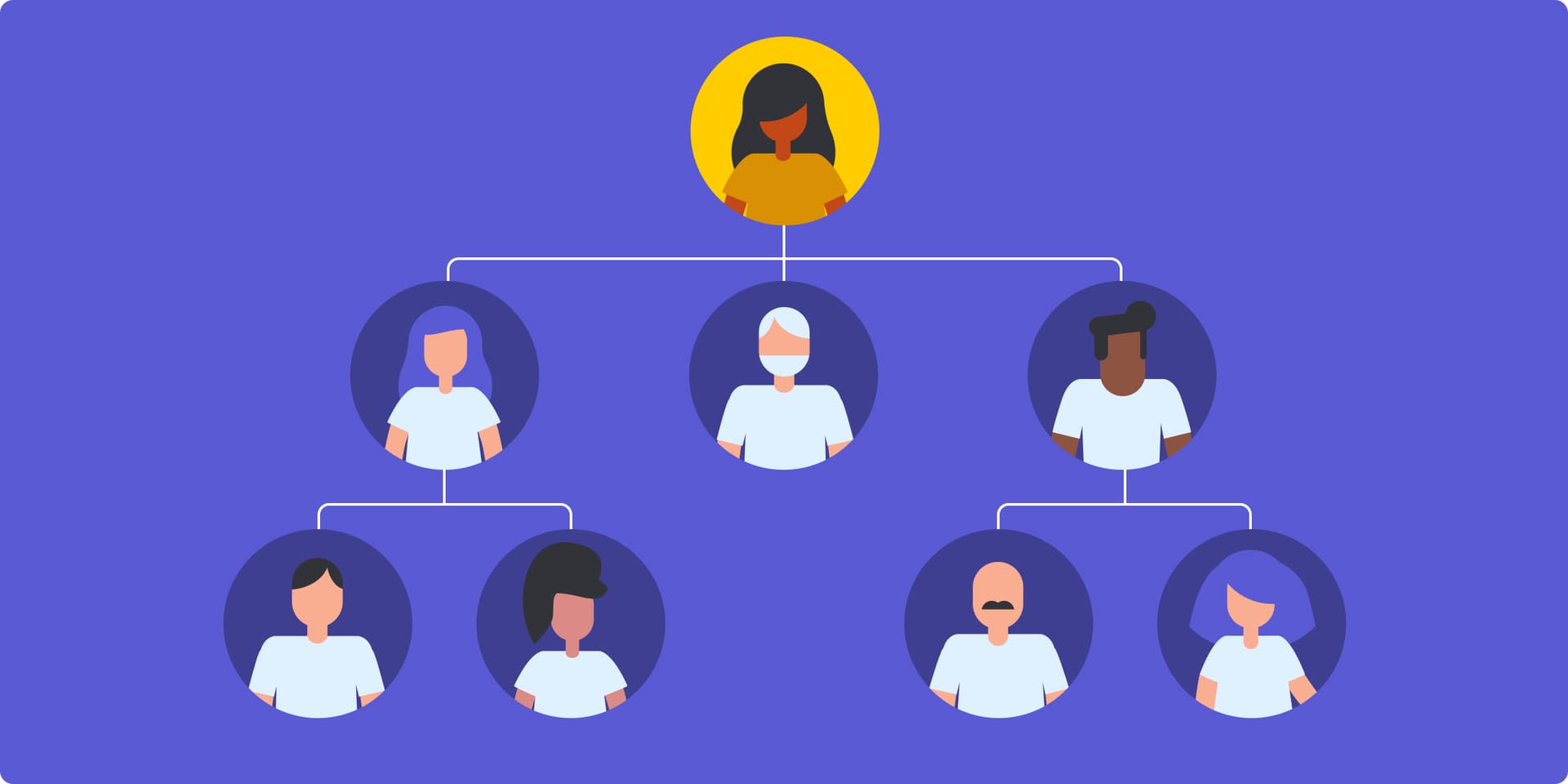
The first move in any change effort is to map who is affected and how. A new workflow in engineering may touch product, QA, support, and sales enablement; a new pricing or packaging motion may land first with account teams, then with customer success, then with the largest seats already inside the platform. The reason to map stakeholders early is simple: broad adoption does not happen by accident, especially when teams are already under pressure to ship.
That approach fits the reality of monday.com’s market. When a major customer can climb to 60,000 seats, internal teams need a clear picture of who owns the change, who must approve it, who needs training, and who can quietly derail it.
Set a communication cadence people can actually follow
A one-time announcement rarely survives contact with the workday. Effective change management needs a cadence that answers four questions repeatedly: why the change is happening, what will be different, who is affected, and how success will be measured. If teams only hear the headline and not the operating details, they fill in the gaps themselves, which is where confusion and resistance usually start.
Communication, organizational justice, training, and leadership support all shape whether a change sticks. Leaders who normalize change instead of treating it as a one-off campaign are more likely to get buy-in because the process feels part of the job rather than an interruption to it.
Train managers and power users before you ask everyone else to adapt
Training is where a lot of rollouts either gain traction or stall. Teams need more than a product demo, especially when the change affects a workflow people use every day. Managers, team leads, power users, and customer-facing staff need enough context to explain the change in plain language and enough hands-on practice to show how the new process works in real scenarios.
That becomes even more important as monday.com pushes deeper into AI. In 2025, the company said its AI offering would be embedded into its product suite and described monday.com as an AI work platform that helps manage and orchestrate work and also does the work for users. If every product runs on the same AI layer, then adoption is no longer just about learning a feature. It is about changing habits across planning, execution, and handoffs.
The same applies to sales and customer success. When monday CRM reaches $100 million in ARR, or when more than 60,000 apps are built on monday vibe in a few months, the training burden shifts from explaining what the product is to showing teams how to use it in their own work. That means role-specific training, manager reinforcement, and follow-up after launch, not just before it.
Measure adoption like a business outcome
The strongest change programs track usage, not just attendance. In a company like monday.com, the clearest adoption signals are the same kinds of measures the business already watches: seat counts, ARR expansion, retention, and whether new products start to contribute meaningfully to the top line. The company’s own numbers make that visible, from 3,201 customers with $50K-plus ARR in FY2024 to 4,281 in FY2025, and from new products accounting for more than 10% of total ARR in Q3 2025.
Managers can borrow that discipline internally. A rollout should have a baseline before launch, a checkpoint shortly after, and a follow-up that measures whether the new process is actually being used. If a tool is installed but teams keep working the old way, the rollout has not succeeded no matter how good the launch deck looked.
Why this fits monday.com’s business
monday.com was recognized as a Leader in the 2025 Gartner Magic Quadrant for Collaborative Work Management, for the third consecutive year. monday.com says it was positioned furthest for Completeness of Vision and highest for Ability to Execute.
This article was produced by Prism’s automated news system from verified source data, official records, and press releases, then run through automated quality and moderation checks before publishing. The system is built and supervised by the people who set the standards it runs under. Read our full AI policy.
Did this article answer your question?