Monday.com seeks lead AI product manager for trust and safety
monday.com’s AI push now hinges on trust, not just features, as it hunts for a product leader to turn permissions, reliability, and compliance into product behavior.
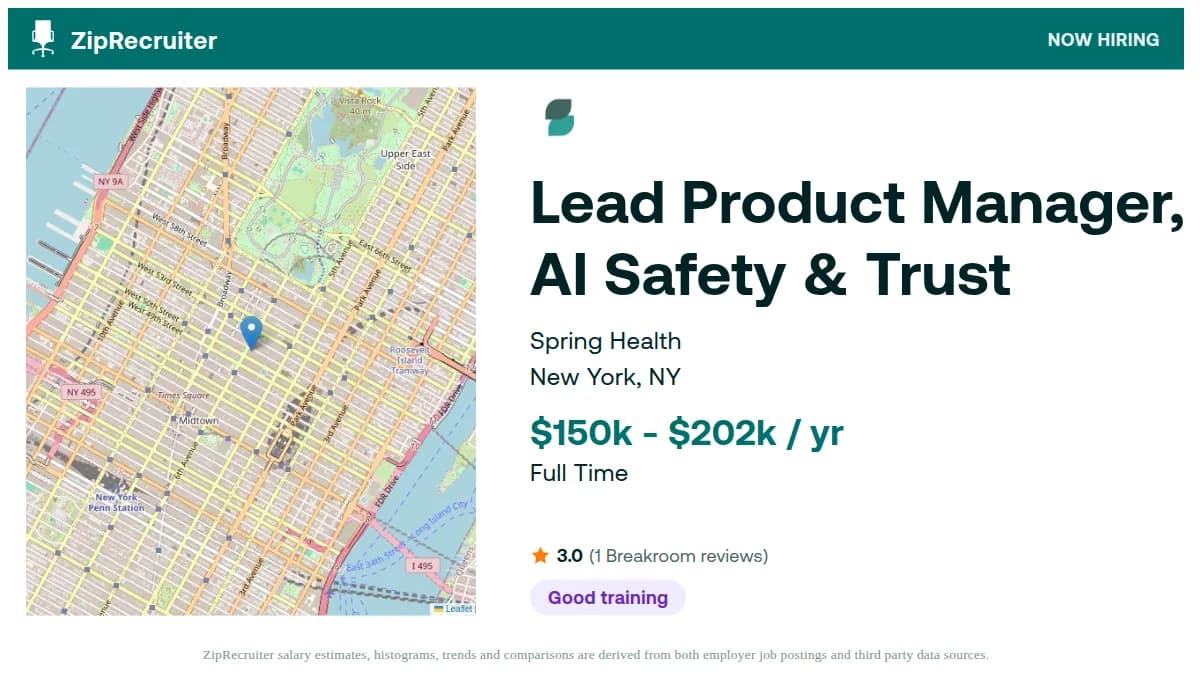
monday.com is looking at the next layer of AI competition: not who can ship the most features, but who can make those features trustworthy enough to live inside daily team work. A lead AI product manager focused on trust and safety would sit between product strategy, machine learning behavior, privacy, enterprise risk, and user experience, which is exactly where monday.com is pushing its platform.
What the role says about monday.com’s AI direction
The company already frames itself as an AI company, not just a workflow vendor with AI bolted on. On LinkedIn, monday.com describes itself as “the best AI work platform” and says it brings “people, workflows, and AI agents together on one platform.” That language matters because it sets a higher bar than a simple copilot feature: if teams are going to plan, execute, and make decisions inside monday.com, the AI has to behave predictably enough to earn repeated use.
The platform language also goes beyond one marquee feature. monday.com’s AI materials reference AI Blocks, AI Workflows, monday sidekick, and monday vibe, which signals a broad move toward AI-native workflow tools rather than isolated experiments. For product managers and engineers inside the company, that means trust is not a side task. It becomes part of the product surface itself, from design decisions to rollout strategy.
Why trust has become a product requirement
The clearest sign of where the company is heading is that it already operates a public AI trust center and a broader Trust Center with separate privacy, security, security policies, FAQs, and DORA pages. monday.com also maintains support pages titled “AI FAQs,” “Security and privacy on monday.com: FAQs,” “Is my data secure?” and “monday.com and HIPAA.” Those are not just legal handouts for procurement teams. They are customer-facing evidence that buyers are asking how AI handles sensitive business data, regulated use cases, and enterprise controls.
Its compliance hub says monday.com secures the information of more than 245,000 customers worldwide and provides “absolute transparency and 24/7 support.” That combination tells you where the pressure is coming from. Sales teams need answers for security reviews, engineers need guardrails that match those answers, and PMs need product behavior that makes the documentation believable.
For a trust and safety product leader, the work is concrete. The job is likely to define how the system handles uncertainty, what users see when the model is not confident, how sensitive data is protected in prompts and outputs, and what admins can control across different tiers and organizations. Confidence indicators, review workflows, permission models, auditability, model escalation paths, content filtering, and clear documentation all become part of the job description in practice.
What monday.com is already building around AI governance
monday.com’s 2026 AI output shows a company building a narrative around responsible deployment, not just acceleration. It published material on AI security, AI for enterprise, AI ethics, and responsible AI, which suggests the product team is trying to connect the promise of automation with the controls that enterprise customers expect. In February 2026, it also published a YouTube video titled “monday.com: the best AI work platform,” describing its AI capabilities as helping teams “run, scale, and solve core work challenges” and positioning the platform for “exponential execution.”
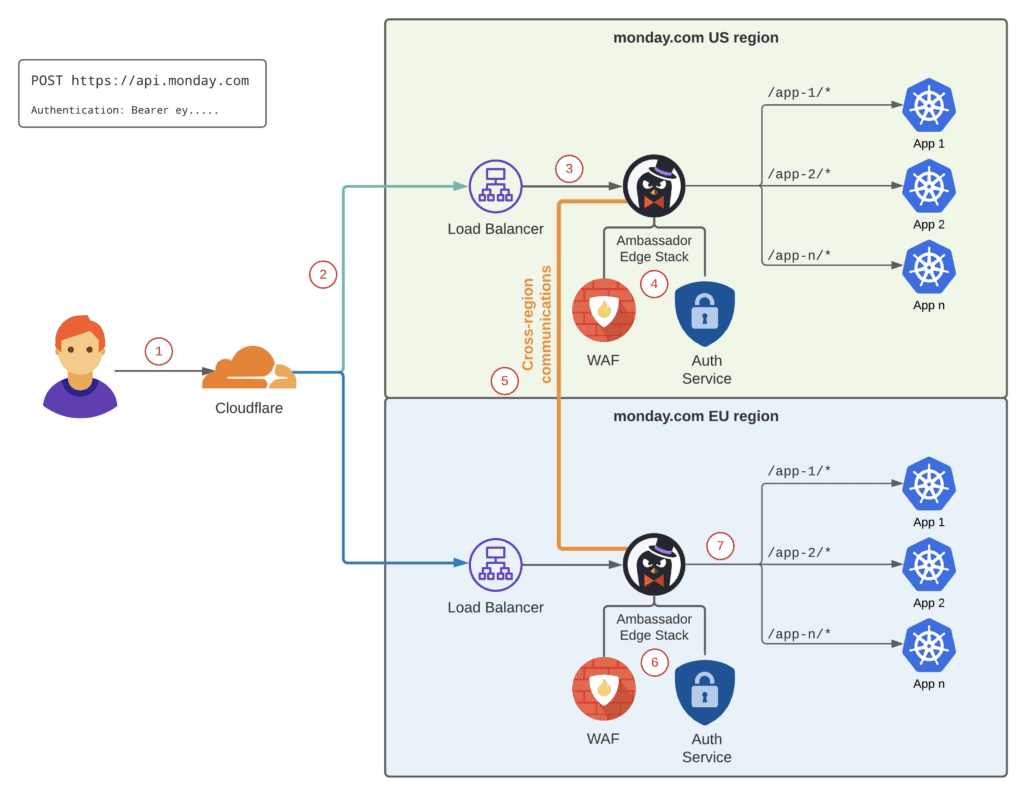
The agent strategy sharpens that picture. monday.com created an AI agents sign-up page that references a discovery index and a skill link for agents, a sign that the company is thinking about how agents are found, onboarded, and connected to work. That is where trust becomes operational. Once software can act on behalf of a team, permissions and reliability stop being abstract product goals and become daily workflow risks.
The company’s AI trust center, AI information page, and AI FAQs all point in the same direction: trust is being packaged as a product category, not just a compliance appendix. That is a meaningful shift for any SaaS company, because it means the product organization has to own questions that once lived mostly with security, legal, or support.
What this means inside the company
For monday.com engineers, a trust and safety mandate changes how features get built and tested. AI systems need evaluation frameworks, failure-mode analysis, and release processes that account for more than latency or adoption. If an AI feature drafts a project update, summarizes a board, or recommends a next step, the team has to know how often it is right, how it behaves with sensitive information, and when users can override it.
For product managers, the role is a reminder that AI value now depends on explainability as much as capability. Business users do not just want an answer, they want to know why the answer is there, whether it is safe to act on, and who can see it. For sales professionals, especially in enterprise deals, the trust story can determine whether a pilot becomes a contract, because procurement teams will ask for the very controls monday.com has already started to surface in its Trust Center and support pages.
The career signal for AI product talent
This kind of opening is becoming a durable lane in SaaS product work. Companies that are moving from copilots to agents need people who can translate machine learning risk into product requirements without slowing the business to a crawl. monday.com’s version of that challenge is unusually clear because the company is already marketing itself around teams, workflows, and agents on one platform.
That makes the role more than a hiring note. It marks a point where AI trust, permissions, explainability, reliability, and governance are no longer back-office safeguards. At monday.com, they are becoming core product strategy, and that is where the next phase of AI competition is likely to be won.
This article was produced by Prism’s automated news system from verified source data, official records, and press releases, then run through automated quality and moderation checks before publishing. The system is built and supervised by the people who set the standards it runs under. Read our full AI policy.
Did this article answer your question?